






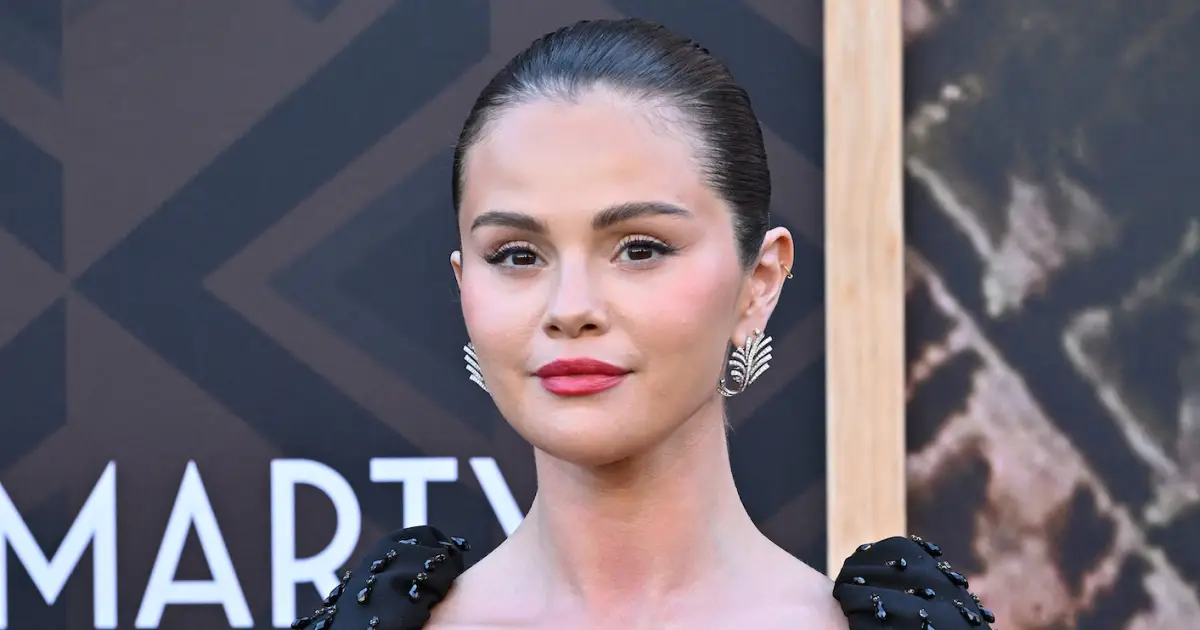
Selena Gomez, the multi-faceted pop star and actress, finds herself at the center of a high-stakes legal battle, a situation that starkly contrasts with the carefully curated, positive image she has cultivated throughout her career. Along with her mother and business partner, Mandy Teefey, Gomez has been named in a lawsuit alleging fraud, specifically accusing the duo of misleading investors in their mental health startup, Wondermind. The legal action, which has sent ripples through both the entertainment and business worlds, claims that the founders systematically misrepresented the company’s stability, leadership, and readiness to launch, all while soliciting and accepting significant financial investments. The lawsuit paints a picture of a venture that was struggling from the inside, a narrative that sharply diverges from the hopeful, mission-driven public facade the company presented at its inception.
The core of the investors’ complaint rests on the assertion that they were misled about the fundamental health of Wondermind. They claim to have invested over a million dollars into the company, which was launched in 2022 as a multimedia platform intended to provide accessible and innovative mental health support. The investors allege that for a period of three years, as the company supposedly “quietly collapsed” around its founders, not a single word of warning was shared with the individuals whose money was bankrolling the operation. This alleged silence, they argue, was a deliberate strategy to conceal the true state of the business, allowing the leadership to avoid accountability while the venture floundered. The investors state they were kept in the dark, only learning of the company’s purported struggles through a 2025 exposé published by The Cut, a magazine known for its in-depth and often revealing features, which detailed an organization in a state of utter disarray.
The exposition of the company’s internal troubles, as reported by The Cut, appears to have been the catalyst for the investors’ decision to pursue legal action. According to the court documents, the exposé revealed a company in chaos, with allegations that Teefey was struggling with substance abuse issues—a claim she has vehemently denied. This public revelation of instability was likely the final straw for the investors, providing them with a seemingly concrete account of the mismanagement and dysfunction they suspect was concealed from them. The lawsuit formalizes these grievances, accusing Teefey of gross mismanagement and characterizing Gomez’s role as an “abject dereliction of her duties.” The investors are now seeking unspecified damages, which would include a return on their initial investments, and they have lodged these accusations as formal claims of securities fraud, a serious charge that suggests deliberate deception in the solicitation of funds.
In the face of these serious allegations, Selena Gomez’s response has been swift and unequivocal. Her attorney, Mathew S. Rosengart, a prominent figure known for representing high-profile clients, issued a statement to Us Weekly dismissing the lawsuit’s claims as “completely meritless, both factually and legally.” This forceful denial sets the stage for a likely legal battle, with Rosengart announcing his intention to “vigorously defend these false allegations” and confirming that they are filing a motion to dismiss the case. This legal strategy suggests that Gomez’s team believes the lawsuit is not only without merit but also so unfounded that it does not warrant a full trial. The statement directly addresses the core of the fraud claim, asserting that Gomez had no involvement in any purported fraudulent activity, a position that seeks to separate her from the specific allegations of investor deception.
The origins of Wondermind are rooted in a personal and noble mission. At its launch in 2022, the company was presented as a collaborative venture co-founded by Gomez, Teefey, and Daniella Pierson, with a clear goal to become a “one-stop shop for all aspects of mental fitness.” The announcement was filled with optimistic language about innovation and accessibility, aiming to provide a “creative foundation” that could inspire growth and shift perspectives on mental wellness. The founders, particularly Teefey who spoke publicly at the time, hoped to strike a balance between education, media, and self-reflection. This aspirational vision, however, is now being scrutinized in the harsh light of the lawsuit. It raises the uncomfortable question of whether the optimistic, messaging-driven launch served as a smokescreen for an unprepared business, a concern at the heart of the investors’ fraud allegations, which claim they were misled about the resources and infrastructure needed to launch a profitable platform.
The situation took another public turn when, shortly before the lawsuit was filed, Forbes reported that Wondermind had laid off a significant portion of its staff, reportedly around 60 percent, due to financial difficulties. A spokesperson for the company acknowledged the transition to a “new chapter” and claimed that the firm had “rectified” its outstanding financial debts. Interestingly, this statement did not address the specific allegations of mismanagement or the investors’ concerns. To date, Teefey has not publicly addressed the fraud claims directly, though she had previously and emphatically denied the accusations of substance abuse that appeared in The Cut. This silence from Teefey, coupled with Gomez’s legal team’s aggressive posture, suggests a calculated approach to the unfolding crisis, one that relies on legal channels to address the allegations rather than engaging in a public war of words.
Ultimately, this lawsuit casts a long shadow over Gomez’s public persona and her entrepreneurial ambitions. While her legal team asserts her innocence, the case brings to the forefront the immense pressures and potential pitfalls of celebrity-backed ventures. The narrative of a mental health company founded on a personal mission failing so publicly, and allegedly fraudulently, is a compelling and complex story. It forces a look at the intersection of good intentions, business realities, and the responsibilities of those in the spotlight. The investors’ claims of being kept in the dark while their money fueled a collapsing company are serious, and the legal process will now determine the validity of these accusations. For Gomez, known for her philanthropic work and candid public discussions about mental health, the lawsuit presents a significant reputational challenge, regardless of the outcome. For the investors, the suit represents a demand for accountability and financial retribution, a fight they are willing to take on against two of the most recognizable names in entertainment. The coming weeks and months will reveal how this legal and public relations battle unfolds, and what the ultimate cost will be for all parties involved.