






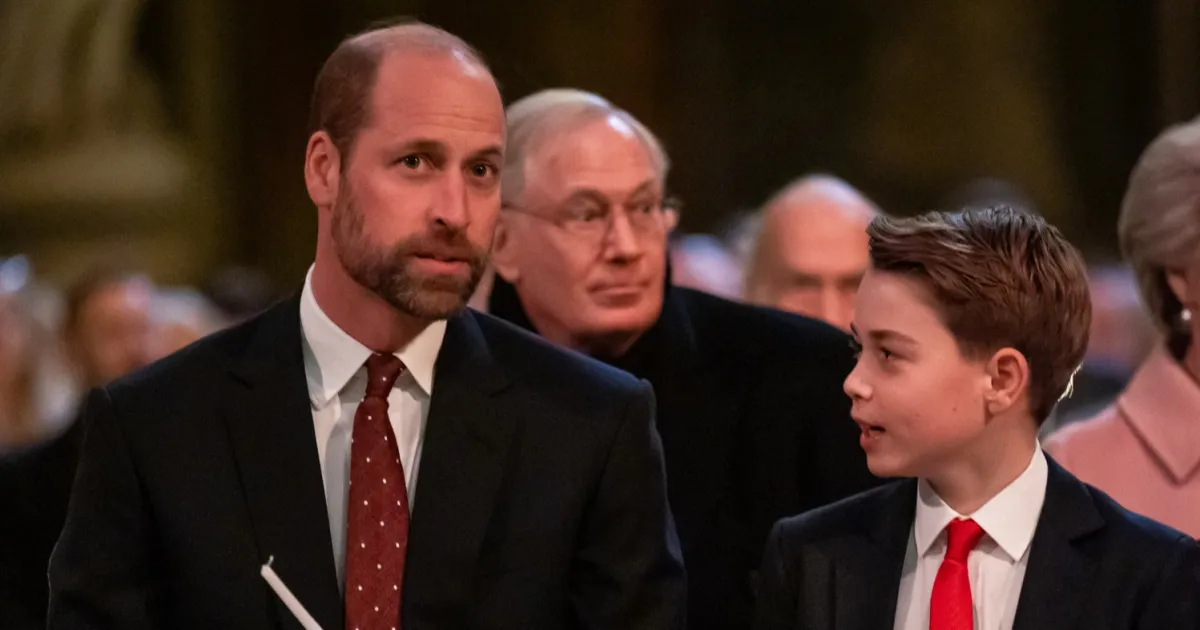
At its heart, parenting is a universal equalizer, a truth that became delightfully evident during a recent radio broadcast by Prince William. Speaking on a Heart Breakfast episode recorded during a working visit to the picturesque Isles of Scilly, the Prince of Wales took a warm, unexpected detour from his formal duties to send a playful morning message to his children. In a relatable moment that resonated with busy households worldwide, William joked about the typical morning chaos of family life, urging Princess Charlotte and Prince Louis to get ready for school without squabbling over the radio dial. What made this gentle parental nudge particularly fascinating, however, was his casual mention that twelve-year-old Prince George was not home to hear the broadcast because he had been “boarding last night.” By sharing this small, unscripted slice of their domestic routine, William pulled back the heavy curtain of royal mystique, offering a reassuringly normal glimpse into a family navigating the quiet milestones of their eldest son growing up. It highlighted that despite their grand titles and historic destiny, the Wales household experiences the same morning rushes, sibling rivalries, and parenting transitions as any other family. This public yet deeply intimate shout-out showcased a modern, hands-on father who remains closely attuned to the daily rhythms of his children’s lives, striving to keep them thoroughly grounded even when he is working miles away from home.
The revelation of Prince George’s overnight stay highlights his current journey at Lambrook School, a nurturing co-educational prep school nestled in the Berkshire countryside where he studies alongside his younger siblings. Lambrook is widely celebrated for its holistic approach to education, aiming to provide a vibrant, well-rounded childhood while preparing students for the academic demands of the future. Because the school only goes up to Year 8, the young prince is currently navigating his final years at the institution, making the question of his next academic chapter highly relevant. Notably, Lambrook offers flexible and weekly boarding programs designed to gently introduce young pupils to the experience of living away from home within a highly supportive, familiar environment. By utilizing this “flexi-boarding” option, William and Princess Kate are consciously easing their eldest son into the concept of independent academic life rather than rushing him into it. This step-by-step approach reflects a modern, emotionally intelligent parenting philosophy that prioritizes a child’s developmental readiness over rigid, outdated traditions. Instead of subjecting George to the sudden shock of full-time boarding at a tender age, his parents are allowing him to enjoy the exciting independence of sleepovers with his school friends while maintaining a close, supportive connection to the warmth of his family home.
As George’s thirteenth year approaches, public curiosity regarding his educational future has sparked lively discussions among royal observers and educationalists alike. The central debate focuses on whether the future king will trace the historic steps of his father by attending Eton College, the legendary all-boys boarding school near Windsor, or if he will pioneer a different path by enrolling at Marlborough College, Princess Kate’s co-educational alma mater. George was previously spotted touring the historic, cobblestone campus of Eton alongside his parents, a rite of passage that fueled widespread speculation that he would soon don the school’s iconic black tailcoats. However, the prospect of Marlborough College remains an appealing and deeply modern alternative, particularly because its co-educational structure would allow Prince George, Princess Charlotte, and Prince Louis to potentially study at the same school when they are older. This decision represents a profound choice between two distinct heritages: Eton stands as a bastion of traditional British statecraft and historic royal duty, while Marlborough represents a warm, progressive, and highly supportive co-educational environment that mirrors Kate’s stable upbringing. Whichever institution the family ultimately chooses, the immense thought behind the decision reveals how deeply William and Kate wish to provide an environment that fosters academic excellence without compromising their children’s emotional unity and mental well-being.
In steering Prince George through these major milestones, Princess Kate serves as an indispensable emotional anchor, prioritizing her maternal role above all else. Royal historian Marlene Koenig points out that while the Princess of Wales will never hold a constitutionally active role in the government—barring an extreme, worst-case scenario where she might act as regent before George reaches adulthood—her true power lies in the loving foundation she builds at home. Kate’s parenting style is deliberately warm, present, and hands-on, ensuring that George is viewed and loved simply as her son long before he is treated as the future heir to the British throne. By cultivating a family life filled with outdoor activities, creative passions, and open emotional conversations, Kate actively shields her children from the isolating pressures of their public roles. She understands that the weight of the crown is a lifelong commitment, and she firmly believes that the best way to prepare her son for such a monumental future is to gift him a secure, happy, and thoroughly normal childhood. Her profound dedication to early childhood development, which is also the centerpiece of her public advocacy work, is actively lived out within her own home, ensuring George grows up with a healthy sense of self.
This protective parenting style is fiercely championed by Prince William, who is deeply committed to ensuring his children do not experience the same emotional hardships that marked his own youth. Growing up in the intense, often unyielding glare of the global spotlight, William and his brother, Prince Harry, faced childhood challenges that were compounded by family difficulties and the tragic, premature loss of their mother, Princess Diana. In a candid reflection during an appearance on The Reluctant Traveler, William spoke openly about his desire to build a more compassionate world for his son, explicitly stating his hope to avoid the archaic and emotionally distant practices of the past. William’s determination to break these generational cycles of royal isolation is a primary force behind how he and Kate raise their children today. He is actively rewriting the code of royal fatherhood, refusing to allow Prince George to be treated as a public commodity or isolated from the emotional safety net of a loving family. By prioritizing mental health, keeping his children out of the relentless press cycle, and establishing a home environment centered on emotional literacy, William is paving a healthier, more modern path for the next generation of the monarchy.
Ultimately, Prince George’s journey through prep school boarding and his gradual preparation for the throne represent a beautiful synthesis of modern parenting and historical duty. While historians confirm that George is increasingly aware of his unique future role, his parents are working tirelessly to ensure that his daily focus remains on simply being a happy, curious kid. There is no rush to thrust him into the demanding spotlight of official royal duties, granting him the invaluable luxury of time to discover his own passions, build lasting friendships, and grow at his own pace. The gentle steps of flexi-boarding, the thoughtful exploration of future schools, and the affectionate teasing shared during radio broadcasts are all part of a larger, loving strategy to raise a future king who is healthy, empathetic, and resilient. In an world that historically demanded stoicism and sacrifice from the royal family, William and Kate are proving that their absolute priority is to raise well-rounded children who are secure in who they are. George’s ultimate destiny may already be carved into the pages of history, but his character is being lovingly shaped in a home that puts family, love, and emotional well-being above all else.