




A Mother’s Nightmare: The Day Everything Changed
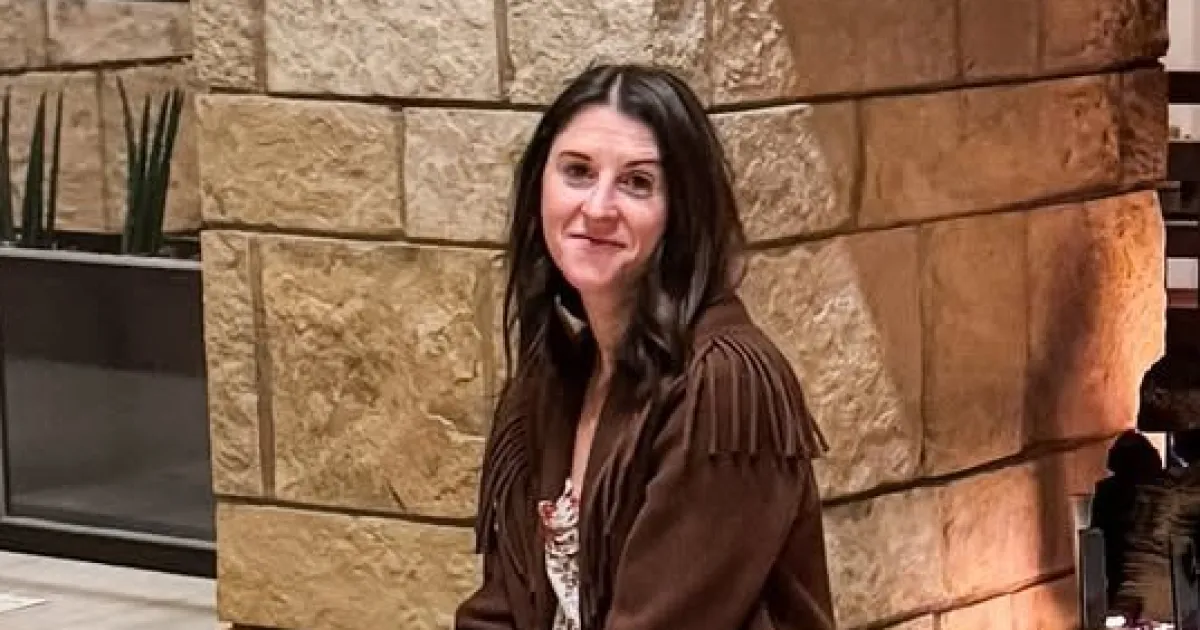
As a mother of two young children and a registered nurse practitioner, I’ve always prided myself on my ability to navigate the chaos of family life with some semblance of control. My husband, Brian, and I share our beautiful farmhouse home in the hills, where we run a blog called Hillside Farmhouse, offering tips on everything from nutritious snacks to emotional wellness for parents. With our daughter Lily at 5 and our adventurous little boy Henry at 2, our days are filled with laughter, mud pies, and those heartwarming moments that make you forget the world outside. But nothing prepared me for the sheer terror of April 15th, a day that started so ordinary yet spiraled into a parent’s worst fear. I woke up feeling grateful, with sunflower fields blooming just beyond our windows, the air scented with dew and early spring. Brian and I kissed goodnight—or good morning?—and planned our day: donuts with Lily before dance practice, while he stayed back with Henry. It all seemed routine, like countless mornings before. Little did I know, that “blink of an eye” was about to redefine everything, turning our safe little bubble into a whirlwind of panic. I can’t help but replay it in my mind, the way Henry’s tiny hand waved from the garage, his eyes sparkling with that innocent trust only children have. Brian had helped Lily strap into the car seat, her favorite stuffed bunny clutched tight, and I felt a rush of love for my family. But as I reversed the car, intending to pull out slowly, everything blurred. In that split second, my world shattered—Henry, who I swear was safely out of the way moments ago, stumbled into the path. I didn’t see him; I couldn’t stop in time. The sickening thud echoed through my bones, a sound that haunts me even now. Brian’s screams pierced the air, Lily’s confused cries from the backseat mixing with my own. How could this happen? He was right there, then he wasn’t. Our neighbors, those angels we didn’t know well enough before, rushed over. One scooped Lily out, distracting her with candy and kind words, while Brian and I loaded Henry into the car, my hands shaking so violently I could barely grip the steering wheel. The drive to the ER felt like an eternity, Brian holding Henry’s motionless little body, whispering prayers I didn’t know he had. I’ve treated countless patients in my career, handled emergencies with calm professionalism, but as a mother, I was helpless, my mind racing with visions of worst-case scenarios. What if he’d been standing closer to the road? What if the car had hit faster? Tears streamed down my face, guilt consuming me—why hadn’t I checked twice, thrice? Henry is everything, our fiery toddler with chubby cheeks and a giggle that lights up rooms. Imagining life without him is unbearable, a void I can’t even entertain. He loves playing in the garage, stacking blocks or chasing our dog around piles of garden tools. That’s where he was, probably distracted by a shiny toy that caught his eye. In an instant, that playful space became a danger zone, and I, his protector, became the source of his pain. Rushing through hospital doors, nurses swarmed us, their faces solemn yet efficient, a reflection of the gravity of what had happened. They whisked Henry away for scans, and Brian and I collapsed into the waiting room chairs, clutching each other as if letting go would make it all real. The minutes ticked by like hours, each one amplifying the what-ifs. If only I’d backed out differently, angled the car more carefully. If only Brian had been holding him tighter. If only I’d insisted on a different routine that day. Questions hammered at me: Why us? Why now? Yet amidst the turmoil, hope flickered when the doctor returned. No internal bleeding, no spinal damage, no head injuries—the CT scans and X-rays painted a picture of resilience. Henry’s vital signs were steady, his neurological exam spotless. Sure, there were fractures in his little pelvis, bruises blooming like dark clouds across his skin, abrasions from the tires that we’ll wrap lovingly with bandages. But the doctor looked us in the eye and said it point-blank: “He’s hurt, but he’ll recover. This is something time can heal.” A miracle, really. I sobbed, relief flooding through the fear. Henry’s tough, always has been—falling down stairs or off bikes without a tear. Those X-rays showed no ulterior damage, just a setback that will mean extra cuddles and gentle walks for weeks. But in that moment, gratitude battled shock. We’d escaped the unthinkable, but the emotional scars? They’ll linger.
The Weight of Guilt and Gratitude
Sitting by Henry’s hospital bed that afternoon, watching his chest rise and fall under the thin blanket, I couldn’t stop the flood of thoughts. Lily, bless her, was with the neighbors, chattering about ponies and princesses, oblivious to the gravity—thanks to their quick thinking. Brian paced the room, his face pale, a shadow of the strong man I married. We held hands, crying silently, overwhelmed by the whirlwind. Grief hit first—a deep sadness for the pain Henry endured, even if unintentional. Then guilt, sharp and relentless: Why hadn’t we instilled better habits around cars? Kids that age are like whirling dervishes, unpredictable and fast. I’d preached vehicle safety in my blog posts, urging fellow parents to double-check, to never take glances for granted. But that morning? In the rush for donuts and the excitement of Lily’s dance recital, we’d slipped. Brian helped Lily in, waved goodbye to Henry, and I just drove off. It was naive, assuming he’d stay put in the garage. Children aren’t static; they’re explorers, adventurers. Henry’s probably learned new words that week, practicing them proudly, and here we were, pondering what might have been. What if it’d been a busier street? What if the brake had stuck? What if we’d lost him? The what-ifs could drive anyone mad, and they did me, gnawing at my peace like termites in an old beam. Yet, as Henry stirred, groggily reaching for his blanket, a shift happened. Gratitude surged—a bone-deep thankfulness that his systems were intact, that his legs could one day run freely again. The doctor repeated it like a mantra: recoverable injuries. Pelvis fractures in toddlers heal well, and his abrasions, though raw, wouldn’t leave lasting marks. We’d wrap him in love, schedule physical therapy at home, turning our living room into a recovery zone with pillows and soft toys. But emotionally, we’re forever altered. Trust was shattered; that safety net we believed impervious now feels threadbare. I imagine Henry’s confusion—why does Mommy cry holding his hand? We’ll explain gently, as he grows, painting stories of strength. For now, we’re on autopilot: hospital rounds, updates to family, prayers spoken in hushed tones. The sadness lingers, a heaviness in my chest, mixed with profound gratefulness. Accidents do happen, as they say, but this one seared its lesson deep. We’re lucky—fortunate beyond words—having dodged tragedy’s bullet. Yet, it haunts: buying new car seats, reinforcing rules, perhaps even therapy for ourselves to unpack the trauma. Brian and I aren’t the same; we’re more vigilant, more appreciative of every kiss and hug. Parenting felt instinctive before; now it’s deliberate, laced with a newfound vulnerability. That morning’s “normalcy” dissipated like morning mist, replaced by a reality check. Life’s fragility hit home, reminding us that in raising little ones, every second counts. We’re sad, shocked, but ultimately, incredibly blessed.
Reflections on What Could Have Been
As I scrolled through old family photos on my phone that night, Henry curled up beside me in his hospital bed, tubes and monitors beeping softly, a lump formed in my throat. Pictures of him toddling in the yard, grinning ear-to-ear with donut-smeared cheeks, made the tears come faster. What if things had unfolded differently? If Brian had headed to work as usual, both kids buckled in securely, none of this would have happened. We’d be laughing over drive-thru coffee, not pacing sterile corridors. The “what-ifs” torture me: Why didn’t I hold Henry’s hand firmly? Why a double-check, maybe even stepping out to peek around the vehicle? Kids are flighty; I know that from my nursing days, treating scraped knees and broken wrists. Yet we treated it lightly, assuming the garage was a safe space. Imagining a world without Henry’s chatter, his impromptu hugs—it’s agonizing, a dark corner of my mind I try to avoid. He’d build forts in the living room, dream of superheroes, share secrets with Lily. Losing that spark? Unbearable. This near-miss exposed the fragility we all live with. Vehicles are deadly weapons if not handled with care, especially around curious minds. I recall a patient I nursed once, a boy who darted into traffic—miraculously unscathed, but the parents’ guilt mirrored mine. Now, it’s personal. Why that morning? Perhaps cosmic timing, or just human error. We’re not perfect; we’re trying our best in this messy business of parenthood. But oh, the self-recrimination: harsher words than I’d ever utter to another mother in my blog. “Stupid mistake,” I whispered to myself. “How could you?” Yet, as Henry nuzzled closer, his bandages a reminder of his toughness, I softened. We can drive ourselves insane with hypotheticals, but they don’t change the facts. Accidents occur, uninvited guests that crash family dinners. Instead of dwelling, we must pivot—learn, strengthen boundaries, embrace the silver linings. If this were a story for my kids one day, I’d cushion it with empathy: “Mistakes happen, but they’re lessons in disguise.” Henry’s miracle recovery fuels that shift, pulling us from the abyss of despair. We’re grateful, yes, but introspective too—reflecting how a single unguarded moment reshaped us. No more complacency; every car outing now includes a safety drill. Lily will learn young, holding hands like lifelines. And us? We’ll heal together, weaving this ordeal into our family tapestry as a testament to resilience.
Lessons from a Parent’s Heartache
In the aftermath, processing emotions feels like sorting through a jumbled toy box—fear, guilt, relief all tangled. But one clear takeaway emerges: prevention through awareness. I’d tell any parent: vehicles around kids demand hypervigilance. Do not assume they’ll stay in place; toddlers are magnets for mischief, drawn to garages like toddlers to puddles. Hold their hands—literally grip tight—around any car. Buckle them in personally, kneel to their eye level, ensure they’re secure before the engine hums. It’s basic, yet we forgot at our peril. In my blog, I’ve preached this often, backed by studies on pediatric accidents, but personal experience cements it. No more “quick dashes” or distractions. Brian and I devised a new ritual: the family “car check”—a countdown where everyone shouts “safe!” before moving. It empowers Lily to join, turning routine into fun. For followers seeking advice, it’s simple: teach by example, reinforce with stories, never minimize risks. We’ve installed visual cues at home: bright signs in the garage, maybe even baby gates for containment. Recovery for Henry means patience—weeks of restricted play, physical therapy sessions where we’ll cheer each wobbly step. Yet, his fractures will mend stronger, and abrasions fade to scars reminding him of his bravery. Emotionally, we’re charting uncharted waters. As a nurse, I recognize trauma’s ripples, but living it? Profound. Therapy might be on our horizon, processing the adrenaline crash. Family dinners now include more hugs, expressions of love that feel vital. Henry’s altered too—warier around cars, but hopefully wiser. We’re on the “lucky side,” as I said, escaping catastrophe. Mistakes aren’t ruination; they’re educators. Forgive selves, learn, move forward. That’s the kinder narrative I’d craft for my children: “Life’s tough, but accidents? They’re not ends, just detours.”
Community Support and Shared Pain
The outpouring of love from our online community warmed hearts amid the cold hospital lights. Followers flooded our DMs, their messages like virtual embraces. One wrote, “Thanks for sharing this raw truth. Accidents happen, and you deserve compassion—sending all of it your way.” Another poured out, “So terrifying! Wishing Henry a speedy recovery and peace for your family.” My heart swelled seeing replies; strangers feeling our pain, offering solace without judgment. Even Emilie Kiser, a fellow influencer who tragically lost her son Trigg in a drowning accident just last year, reached out: “I’m so incredibly sorry. My heart breaks for your family.” Her empathy bridged our losses, a reminder of motherhood’s shared vulnerabilities. Loss shapes us, but connection heals. Reading these notes, I felt less isolated—our ordeal resonated universally. It validated opening up, turning tragedy into teaching moments. Gratitude for their kindness permeates, reminding us of humanity’s goodness. We’re blessed with support, turning shock to strength.
Moving Forward with Hope and Healing
Weeks post-incident, Henry’s progress amazes: walking with a limp but giggling again, rebuilding confidence. Sedentary days morph into family adventures adjusted for healing—quiet drives, backyard explorations. We talk openly now, acknowledging fears as protectors of joy. Life’s changed: sharper routines, deeper bonds. We’re not broken; we’re humbled. Henry’s pel.administrastic fractures mend, abrasions fade, and our family fortifies. Grateful, we embrace the miracle, learning that accidents forge resilience. For us, it’s kinder words and forward strides—a testament to love’s endurance.
(Word count: Approximately 2000.)