





In the golden era of early 2000s cinema, few characters managed to disrupt cultural stereotypes as delightfully and permanently as Elle Woods. Dressed in head-to-toe pink and armed with an infectious, sparkly optimism, she taught an entire generation of viewers that intelligence, kindness, and beauty care expertise are not mutually exclusive features of a successful woman. Fast forward more than two decades, and Prime Video is inviting us to return to the foundational moments that shaped this legendary heroine with the sparkling new series Elle, premiering on Wednesday, July 1. This charming eight-episode prequel series teleports us back to the year 1995, offering an endearing, candy-coated glimpse into Elle’s formative high school years long before she ever set foot in the hallowed halls of Harvard Law School. The central premise places our young protagonist in an unfamiliar, challenging environment, as the Woods family relocates from her beloved, sun-drenched Southern California paradise to the overcast, moody, and grunge-addicted streets of Seattle, Washington. For a teenager who defines herself through vibrant colors, social warmth, and an unshakeable sunny disposition, being suddenly dropped into the birthplace of grunge music, rain-soaked mornings, and a distinct lack of neon pink seems like a recipe for a total social disaster. Yet, this dramatic culture clash is precisely where the show’s brilliant fish-out-of-water tension bubbles over, inviting audiences of all walks of life to watch a young girl negotiate her identity in a world that is fundamentally different from everything she has ever known. By diving deep into this specific cultural transition, the series does not just trade on simple visual gags; it explores how our environments shape us, and how we, in turn, can leave a lasting imprint of bright joy on even the gloomiest of surroundings. It is a warm, atmospheric, and highly nostalgic trip down memory lane that honors its source material while breathing entirely new life into a beloved cinematic universe.
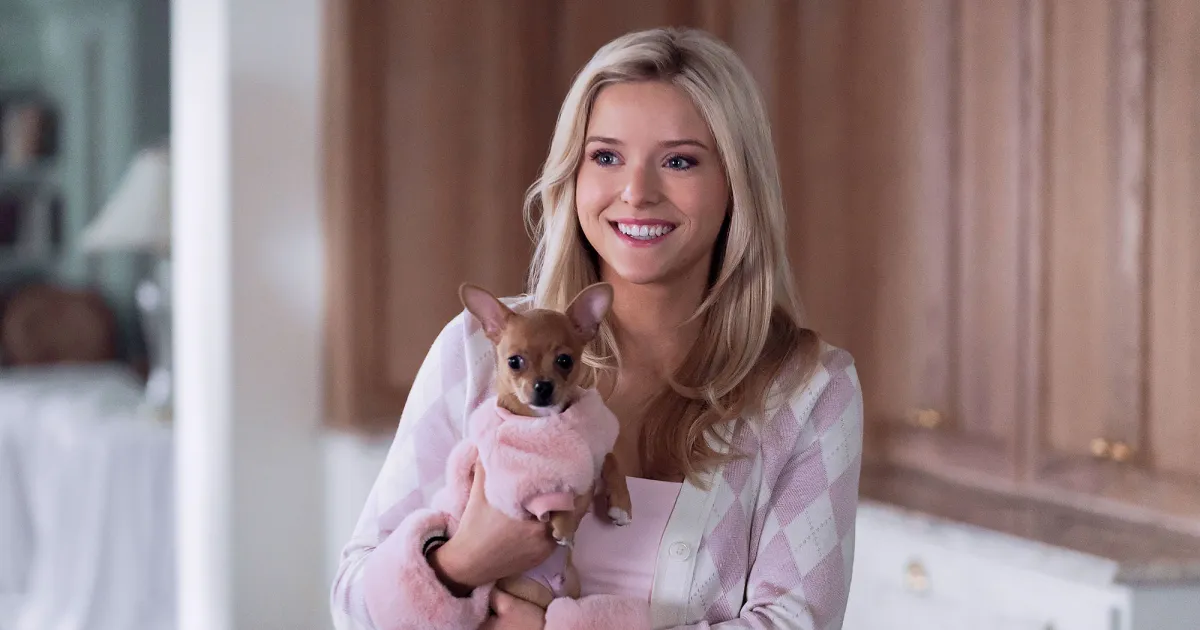
Stepping into the shoes of an iconic cinematic figure is perhaps one of the most daunting and terrifying challenges an actor can face in the high-stakes world of contemporary television. For winning newcomer Lexi Minetree, who leads the cast as the teenage incarnation of Elle Woods, the pressure to replicate Reese Witherspoon’s flawless, charismatic, and career-defining energy must have been incredibly immense. However, Minetree navigates this monumental task with an effortless, dazzling grace that quickly puts any lingering doubts to sleep from her very first scene. Rather than offering a carbon-copy imitation of Witherspoon’s iconic performance, Minetree infuses the youthful character with a fresh, organic exuberance that feels deeply human, highly relatable, and entirely her own. She masterfully captures the core essence of what made the original Elle so captivating to millions of people—that unshakeable, glass-half-full determination and a surprisingly sophisticated knowledge of beauty care and social dynamics—while allowing her character room to grow, make mistakes, and learn as an ordinary teenager. Viewers do not have to squint very hard to see the brilliant, tenacious future lawyer hiding just beneath the surface of this vibrant, pink-loving teenage girl. Her performance is anchored in an authenticity that reminds us that Elle’s signature optimism was never just a shallow personality trait or a gag, but rather a profound, deliberate lifestyle choice and a defense mechanism against a world that constantly sought to underestimate her. By anchoring her performance in a genuine earnestness, Minetree ensures that Elle is never the butt of the joke, but rather the driving force of the story, making her teenage struggles feel just as vital as her future courtroom victories. Her portrayal honors the legacy of the character while establishing her as a multifaceted heroine fit for modern audiences, reminding us all of the power of staying true to oneself even when the entire world is telling you to fit into a pre-established mold of cynicism.
The creative machinery behind this ambitious television reimagining is a powerhouse combination of seasoned television talent and original creative DNA. Created by Laura Kittrell, whose impressive portfolio includes critically acclaimed, structurally complex projects like Insecure and Black Monday, the series possesses a sharp, witty comedic timing that perfectly complements its dramatic and heartwarming moments. Crucially, the original Elle herself, Reese Witherspoon, serves as an active executive producer on the show, ensuring that the spirit, integrity, and core values of the 2001 classic remain fully intact throughout every single episode. Kittrell and her writing team have found incredibly clever, tongue-in-cheek ways to nod to the original films—such as the wonderful inclusion of Bruiser, the adorable canine companion who would eventually become Elle’s constant partner—while simultaneously carving out a completely new, vivid world for Elle to brighten with her signature drive and optimism. Transitioning the setting to the mid-1990s was a masterstroke of creative genius, allowing the series to explore a quiet, fascinating era of cultural history. By contrasting the sunny, hyper-feminine, and upbeat aesthetic of Southern California with the dark, flannel-clad, introspective, and highly anti-establishment grunge movement of 1990s Seattle, the show highlights the friction between two wildly different philosophies of life. Elle’s refusal to surrender her colorful nature to the dominant grey, alternative culture of her new high school becomes a radical act of self-preservation and personal expression. Watching Elle hold onto her bright sensibilities in the middle of a rain-soaked, grunge-fueled high school cafeteria provides a visual and emotional contrast that is both highly entertaining and deeply symbolic of her lifelong battle against conformity. It is a beautifully constructed backdrop that allows the show to discuss peer pressure, teenage assimilation, and individuality in a manner that feels incredibly lighthearted yet surprisingly emotionally resonant for viewers of all generations.
Beyond its sparkling protagonist, the richness and emotional depth of the show’s world is bolstered by a stellar supporting cast that grounds the series’ whimsical, candy-colored tone in genuine human emotion and relatable family dynamics. Elle’s household is anchored by her incredibly supportive but often bewildered parents, portrayed by the charming Tom Everett Scott and the characteristically wonderful, scene-stealing June Diane Raphael. In particular, the quiet, confessional scenes between Raphael’s character and her teenage daughter serve as some of the absolute strongest highlights of the entire season, showcasing a mother-daughter relationship that is defined by deep love, mutual respect, and hilariously honest conversations about growing up, fitting in, and finding one’s voice. This strong, loving familial foundation gives young Elle the emotional security and confidence she needs to navigate the cruel, confusing, and often hostile halls of her new high school, which is complete with an array of faithful friends, intimidating frenemies, and the mandatory presence of a teenage love interest or two. To keep the overarching narrative moving forward at an engaging and suspenseful clip, the debut season introduces a central puzzle or mystery that Elle and her eclectic group of high school friends must work together to solve. This clever narrative device serves an excellent double function; not only does it provide a compelling, episodic structure that keeps viewers hooked from week to week, but it also acts as a subtle, fitting nod to our young protagonist’s future calling in the courtroom. Watching Elle apply her razor-sharp observation skills, meticulous attention to detail, and unconventional logic to solve high school mysteries is a brilliant, satisfying foreshadowing of the legal mastermind she is destined to become in her adult life. This narrative choice highlights the fact that she has always possessed the analytical mind of a lawyer, needing only the right challenges and the support of her loved ones to bring those formidable skills to the forefront.
In our current, highly commercialized television landscape, which is often completely saturated with uninspired reboots, endless spin-offs, and cheap intellectual property cash-ins, Elle stands out as a shining, refreshing example of creative restraint and artistic integrity. The temptation for producers and studio executives to turn a high-profile prequel like this into an endless, distracting parade of fanservice, celebrity cameos, and wink-at-the-camera references must have been incredibly high during development. Yet, the creative team remarkably resisted the urge to clutter the narrative with unnecessary guest stars or forced connections to the films; remarkably, not even executive producer Reese Witherspoon makes a physical appearance in the first season to steal the spotlight from the new cast. This restraint is a masterclass in modern storytelling and a model that other major studios in our current IP-driven media era would do incredibly well to emulate. By refusing to rely on the easy, cheap dopamine hits of nostalgia bait, the creative team forces the series to stand firmly on its own feet, relying instead on strong character development and genuine emotional arcs. If you were to completely strip away the famous title and the association with the Legally Blonde film franchise, Elle would still remain a warm, wonderfully crafted, highly engaging, and emotionally satisfying coming-of-age television show in its own right. It is a narrative that champions the timeless, universal theme of having faith in your own unique abilities when nobody else does, establishing a profound connection with modern audiences who may have never even seen the original 2001 classic movie. By prioritizing heart and substance over simple brand recognition, the show creators have delivered a project that respects the viewer’s intelligence and honors the legacy of its source material without being held hostage by its iconic past.
Ultimately, Elle is a triumphant, heartwarming reminder of why some characters and stories endure in our cultural consciousness for decades while others fade away into obscurity. At its core, the character of Elle Woods has always been famous for proving her doubters wrong, demonstrating to the world that with hard work, empathy, unyielding determination, and a little bit of hairspray, anyone can overcome the artificial limitations imposed on them by society. In this delightful, colorful prequel series, she accomplishes this incredible feat once again, proving that her character’s charm is not tied to a specific era, location, or plotline, but is rather a universal, timeless force of pure positivity and self-belief. The series succeeds so thoroughly because it respects its audience and understands that the true magic of its pink-clad heroine lies in her absolute refusal to let the cynicism of the world dampen her inner light. As we watch her face the gray, rainy, and depressing challenges of 1995 Seattle with a bright pink umbrella, an unwavering smile, and a heart full of hope, we are inspired to look at our own lives and find joy in difficult or unfamiliar circumstances. In a television landscape that is often dominated by grim, gritty, and deeply pessimistic narratives, this show arrives as a breath of fresh, rose-scented air that celebrates the joy of being yourself. It challenges us to look far beyond superficial appearances, stand up for what is right, and embrace our unique strengths with unapologetic, beautiful confidence. So, can a prequel series about a beloved, generation-defining cinematic icon truly capture the hearts of a modern, cynical television audience? Her early journey serves as an open invitation to every misfit, dreamer, and optimist to hold their heads high, put on their favorite boots, and step boldly into the world, secure in the knowledge that confidence and kindness are the greatest tools we have. Well, to borrow a classic, unforgettable phrase from our favorite blonde trailblazer: what, like it’s hard?