





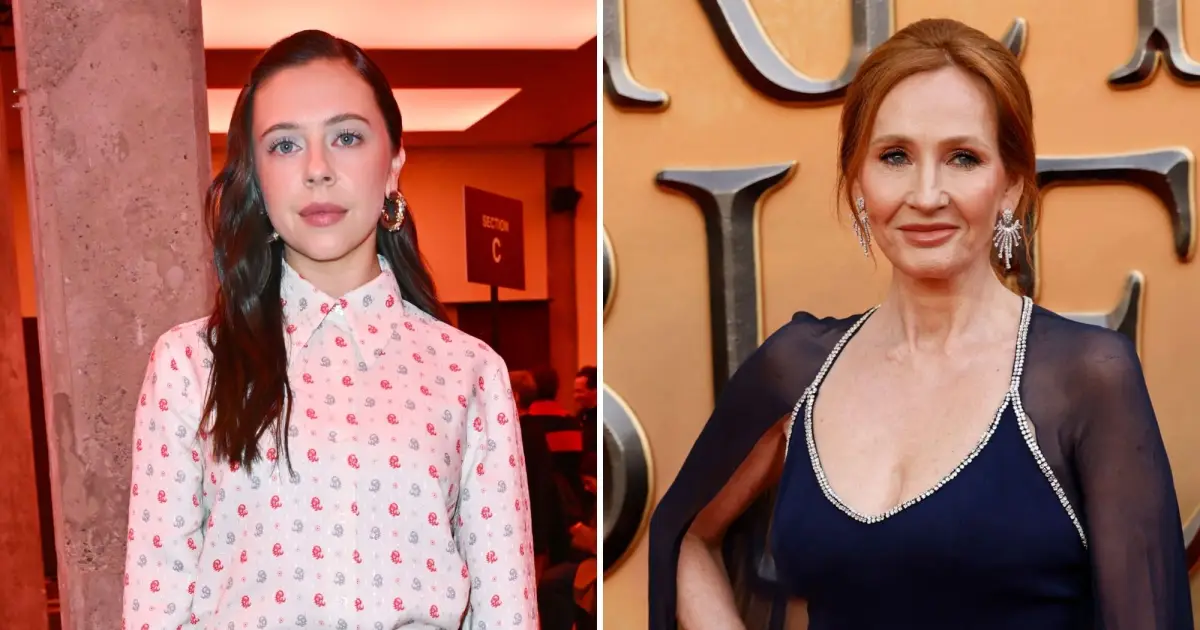
For an entire generation of readers who came of age at the turn of the millennium, the wizarding world of Harry Potter was far more than a collection of bestselling fantasy novels; it was an emotional sanctuary, a shared cultural language, and a foundational pillar of personal identity. Millions of children and young adults spent their formative years eagerly awaiting midnight book releases, casting imaginary spells in their backyards, and finding deep comfort in a narrative that championed the outcast, the misunderstood, and the unloved. However, in recent years, this beloved sanctuary has been cast under a shadow of profound collective grief and cognitive dissonance, triggered by the increasingly controversial public statements of the series’ creator, J.K. Rowling, regarding transgender rights. This delicate, painful intersection of nostalgia, art, and human rights has once again been thrust into the cultural spotlight with the announcement of HBO Max’s highly anticipated television reboot of the series, scheduled to premiere around Christmas 2026. Among the newly announced cast members is British actress Bel Powley, known for her acclaimed, emotionally nuanced performance in The Morning Show. In a remarkably candid and deeply empathetic interview with The Telegraph, the thirty-four-year-old actress refused to shy away from the complex moral landscape of her new role, choosing instead to speak out directly and compassionately in defense of the transgender community, thereby joining a vital, ongoing conversation about how we reconcile the art we love with the creators who disappoint us.
With a striking combination of professional grace and personal conviction, Powley articulated a perspective that mirrors the internal conflict felt by millions of Harry Potter fans worldwide. She did not mince her words when addressing the creator’s highly publicized positions, stating unequivocally that she strongly disagrees with J.K. Rowling’s views on gender and firmly believes that the transgender community deserves safety, dignity, respect, and total acceptance. For Powley, taking on a role in this massive, highly scrutinized franchise is not an endorsement of Rowling’s personal ideology, but rather an opportunity to step into a universe that, at its core, has always belonged to the collective imagination of those who loved it. She spoke warmly of her own deep, nostalgic connection to the source material, reminding the public that she belongs to that very first generation of readers who grew up with the books, carrying a lifelong love for the magic, the mystery, and the “spookiness” that defined her childhood. By articulating this dual reality—holding a fierce love for a magical world while simultaneously demanding real-world justice and protection for a marginalized community—Powley modeled a form of mature, compassionate allyship that refuses to sacrifice human dignity for the sake of corporate silence or professional convenience.
To fully understand the weight of Powley’s statements, one must examine the long and highly contentious history of J.K. Rowling’s transition from a beloved literary icon to one of the most polarizing figures in modern public discourse. The author’s descent into gender-critical activism began in earnest in June 2020, when she posted a series of widely criticized tweets mocking an opinion article that used the inclusive phrase “people who menstruate,” sarcastically questioning if there was another word for such individuals. In the years that followed, Rowling doubled down on her positions, writing lengthy manifestos, engaging in heated social media battles, and publicly celebrating legal rulings, such as the 2025 United Kingdom Supreme Court decision regarding the biological definition of sex. While Rowling has consistently denied accusations of transphobia, claiming that her motivations are rooted in a “pro-feminist” desire to protect biological women’s single-sex spaces and safeguard vulnerable youth, her rhetoric has been widely condemned by major LGBTQ+ advocacy groups, legal scholars, and medical professionals. For transgender individuals and their allies, her words do not feel like a defense of women, but rather like a painful, systemic invalidation of their very existence—a devastating blow coming from an author whose books once taught them that love, acceptance, and courage were the ultimate forces of good.
This profound sense of betrayal within the fandom prompted a swift, historic rebellion from the very actors who originally brought Rowling’s words to life on the silver screen. In the wake of the author’s 2020 essay, Daniel Radcliffe, Emma Watson, Rupert Grint, and Fantastic Beasts star Eddie Redmayne took the extraordinary step of publicly distancing themselves from her views, releasing deeply personal statements reaffirming their unwavering support for transgender lives. Radcliffe famously wrote a poignant essay for The Trevor Project, apologizing to fans who felt the magic of the books had been tarnished and reminding them that the love they felt for the story was uniquely theirs and could not be taken away by anyone else. This collective stand by the original cast marked a pivotal moment in modern pop culture, demonstrating that a story, once released into the world, ceases to belong solely to its creator and instead becomes the property of those who inhabit it, find hope within it, and keep its spirit alive. The actors’ refusal to remain silent established a powerful precedent, proving that one could cherish the magical universe of Hogwarts while actively rejecting the exclusionary politics of its architect, thereby carving out a space of safety and solidarity for queer and transgender fans who felt abandoned.
It is this philosophical separation between the art and the artist that Bel Powley beautifully tapped into during her interview, offering a poetic, almost spiritual perspective on how stories survive and evolve beyond their origins. When discussing the challenge of bringing the magic back to life in the shadow of such divisive real-world controversies, Powley shared a comforting belief about the persistence of creative and emotional energy, stating that energy does not simply disappear from our world. Using a moving metaphor, she observed that the world does not suddenly get lighter when someone passes away; rather, their energy shifts, dispersing outward into the trees, the grass, the sky, and the natural world around us. Applied to the realm of literature and art, this perspective suggests that the beautiful, inclusive, and transformative energy that millions of readers poured into the Harry Potter series over the past three decades cannot be erased or contaminated by the personal beliefs of its author. That collective love has already shifted into the cultural ether, becoming an independent force of comfort and wonder that belongs to the readers, the viewers, and the new generation of actors who are stepping up to carry the torch forward with a renewed commitment to empathy and inclusion.
As the entertainment world prepares for the Christmas 2026 premiere of the new HBO Max adaptation, the series faces the monumental task of not only recreating the visual magic of Hogwarts but also healing a fractured, deeply wounded community of fans. Powley’s vocal opposition to Rowling’s views, paired with her deep respect for the magic of the story, represents a crucial step forward in this cultural transition, proving that the future of the franchise can be guided by voices that prioritize human rights, safety, and universal respect. This upcoming television series will undoubtedly be scrutinized at every turn, but it also presents a rare, powerful opportunity to rebuild the wizarding world on a foundation of genuine inclusivity, ensuring that the magic on screen reflects the compassionate, diverse world of the audience watching it. Ultimately, the ongoing dialogue surrounding Harry Potter serves as a powerful reminder that our childhood sanctuaries do not have to be abandoned; instead, they can be reclaimed, defended, and transformed by those who believe that the truest magic of all lies in our capacity to love, protect, and respect one another in all of our diverse humanity.