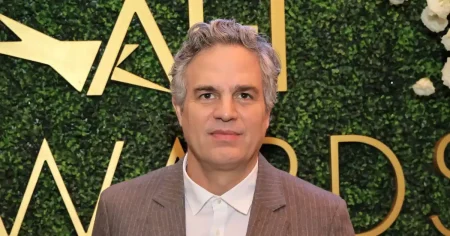



America’s grand celebration of its historic milestones always invites a deep, personal reflection on our shared cultural touchstones, and while the beautiful art of cinema is much younger than the nation itself, it has spent over a century acting as our collective mirror, capturing our highest aspirations, our deepest anxieties, and our evolving national identity. One of the single greatest landmarks in this cinematic journey occurred during the legendary, sun-drenched summer of 1976, a year of immense creative fertility that stood as a definitive high-water mark for the golden age of American filmmaking. Audiences of the era were absolutely spoiled for choice as local theaters were filled with a diverse array of instant classics like The Omen, The Bad News Bears, Freaky Friday, and the prophetic, razor-sharp satire of Network, each pushing the traditional boundaries of storytelling and collecting prestigious awards along the way. Yet, it is a stunning testament to the sheer depth of talent working in mid-seventies Hollywood that none of those beloved, iconic pictures even make our list of the five absolute masterpieces turning the golden age of fifty years old in 2026. As these five monumental films approach their fifty-year milestone, they present contemporary viewers with an extraordinary opportunity to travel back in time and witness the peak of raw, intensely humanistic storytelling. From the sweat-soaked, working-class endurance of ground-breaking sports dramas streaming on popular platforms to the nail-biting, paranoid political thrillers waiting on digital shelves, these films have successfully transitioned beyond their initial box office runs to become permanent pillars of global culture. They are far more than raw celluloid; they represent a unique, golden era where risk-taking was celebrated, studio hand-off policies allowed directors to truly paint their visionary paintings on the silver screen, and characters felt like real, breathing people we might bump into on a local street corner. Watching them today is a visceral reminder of what makes movies the ultimate human art form, capable of healing old societal wounds, laughing loudly at our own cultural absurdity, and looking directly into the darkness of our collective shadow.
Nowhere is this triumph of the fragile human spirit more beautifully and enduringly realized than in the legendary sports drama Rocky, a film that stands as an undisputed, beloved titan of cinema, completely separate from the long string of blockbusters, nostalgic sequels, and spin-offs it went on to inspire. Written by and starring an unknown, desperately broke actor named Sylvester Stallone, the feature film was a miraculous exercise in real-life artistic endurance that perfectly mirrored the struggles of its titular protagonist, Rocky Balboa. Set against the gritty, unglamorous backdrop of working-class Philadelphia during the nation’s bicentennial year, the plot centers around a lonely, kind-hearted debt collector and local club fighter who is inexplicably plucked from obscurity to face the charismatic heavyweight champion, Apollo Creed, in a massive exhibition match. Rather than focusing solely on the physical mechanics of boxing, the camera lingers with deep empathy on Rocky’s quiet life, especially his tentative, heartbreakingly sweet courtship of Adrian, a painfully shy local pet shop clerk played with exquisite vulnerability by Talia Shire. Through their tender, clumsy romance, the movie reveals its true heart: it is not a story about winning a physical gold belt, but a profound search for dignity, self-worth, and the simple desire to prove to oneself that you are not just another forgotten face in the crowd. From the immortal, trumpet-blaring theme music composed by Bill Conti and the iconic training montage up the stone steps of the Philadelphia Museum of Art, to the devastatingly emotional, sweat-and-blood-soaked finale where the ultimate score cards matter far less than the mutual embrace of two lonely souls, Rocky remains an absolute masterclass in narrative execution. Stallone delivers a remarkably quiet, interior performance that is often overshadowed by his later action-hero persona, capturing a gentle, poetic soul trapped inside a bruised fighter’s body, making us believe, even fifty years later, that any ordinary underdog can stand tall against impossible odds.
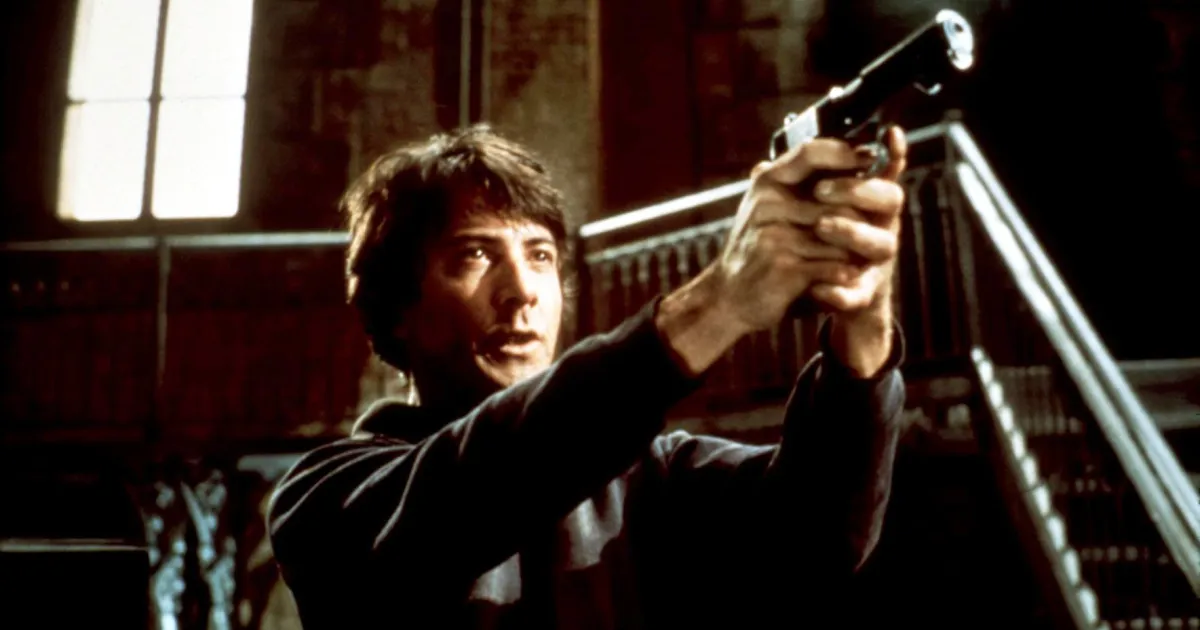
If Rocky represents the endless capacity of the human heart to hope, John Schlesinger’s dark, atmospheric, and labyrinthine thriller Marathon Man is a brilliant descent into post-Watergate paranoia, fear, and the terrifying weight of historical trauma that still haunts the modern world. Dustin Hoffman delivers an incredibly tense, physically demanding performance as Thomas “Babe” Levy, a brilliant yet socially isolated history graduate student living in New York City whose peaceful, athletic life is violently shattered when he becomes the unwitting target of a global conspiracy. The intricate, plot-heavy narrative weaves together the lingering horrors of World War II, covert government espionage, international diamond smuggling, and the sudden, suspicious death of Babe’s mysterious brother, played with world-weary sophistication by Roy Scheider. At the center of this terrifying web is Christian Szell, a fugitive Nazi war criminal brought to life with bone-chilling, calculated precision by the legendary Laurence Olivier, who portrays a monster hiding behind the clinical mask of a former dentist. The film’s infamous, legendary torture sequence—where Szell repeatedly asks a bound and terrified Babe, “Is it safe?” while wielding various dental instruments—remains one of the most agonizingly suspenseful scenes in cinematic history, turning a routine medical visit into a direct confrontation with absolute evil. Schlesinger masterfully utilizes the dirty, chaotic streets of 1970s Manhattan to build a claustrophobic atmosphere of inescapable dread, where trust is a fatal liability and danger lurks in every shadow. Beneath its heart-stopping suspense and kinetic action sequences, Marathon Man functions as a brilliant, deeply psychological examination of generational guilt and survival, pushing its protagonist to his absolute physical and mental limits to ask us what we are truly willing to endure when our very existence is pushed to the edge.
The profound sense of systemic paranoia that defined American life in the mid-1970s found its absolute artistic peak in Alan J. Pakula’s journalism masterpiece, All the President’s Men, a brilliant film that transformed a complex, real-life political scandal into one of the most breathless, intellectually gripping thrillers ever put on screen. Based on the groundbreaking investigative book by Washington Post reporters Bob Woodward and Carl Bernstein, the film meticulously details the painstaking, dangerous process of uncovering the Watergate break-in that ultimately led to the historic resignation of President Richard Nixon. Rather than relying on sensationalized violence or theatrical melodrama, Pakula and legendary screenwriter Alvin Sargent find intense, heart-pounding suspense in the analog details of investigative journalism: the frantic clattering of typewriter keys, the endless sorting of library reference cards, the quiet terror of anonymous phone calls, and the hushed whisperings with the mysterious informant Deep Throat in pitch-black parking garages. Robert Redford and Dustin Hoffman display a legendary, effortless chemistry as Woodward and Bernstein, capturing the frantic energy, clashing personalities, and shared moral dedication of two young journalists who refused to let go of a thread, even when threatened by the most powerful office on earth. Cinematographer Gordon Willis brilliantly contrasts the blinding, sterile, and fluorescent-lit safety of the bustling newsroom with the vast, devouring shadows of Washington D.C. at night, visually illustrating the endless struggle between public truth and hidden corruption. Fifty years after its release, as the modern world grapples with the erosion of public trust, digital disinformation, and political polarization, All the President’s Men remains an incredibly vital, urgent testament to the fragile nature of democracy and the heroic, messy, and indispensable work of a free press.
To balance the heavy political gravity and nail-biting suspense of the era, audiences in 1976 were blessed with Neil Simon’s delightfully wicked, genre-skewering comedy Murder by Death, a brilliant satire that reminds us that movies should also possess the power to make us laugh until our sides ache. This hilarious, star-studded spoof gathers five of the most famous literary detectives of all time—under thin, hysterical pseudonyms that spoof icons like Hercule Poirot, Miss Marple, Sam Spade, and Nick and Nora Charles—and invites them to a mysterious, isolated gothic mansion for a bizarre dinner party hosted by an eccentric millionaire, played with delightfully bizarre camp by the legendary author Truman Capote. What follows is a wildly chaotic, fast-paced puzzle that systematically deconstructs and lampoon-spoofs every single cliché, trope, and convention of the classic “whodunit” parlor mystery. Neil Simon’s brilliant screenplay delivers an astonishing barrage of clever puns, physical slapstick, sharp-tongued bickering, and meta-jokes that arrive every few seconds, ensuring that the comedic momentum never falters for a single frame. The film’s legendary ensemble cast includes absolute titans of stage and screen like Maggie Smith, David Niven, Peter Sellers, Peter Falk, Elsa Lanchester, James Coco, and a sublime Alec Guinness as a completely blind butler named Bensonmum, whose hilariously deadpan interactions with a deaf-mute cook provide some of the movie’s most unforgettable laughs. By celebrating and simultaneously dismantling the ridiculous contrivances of Golden Age mystery books, Murder by Death serves as a warm, incredibly clever tribute to the joy of escapist entertainment, proving that the art of parody, when executed with genuine love and top-tier comedic craftsmanship, can remain just as fresh, witty, and deeply satisfying half a century later.
Finally, no exploration of this legendary cinematic year would be complete without bows of respect to Brian De Palma’s operatic, deeply tragic adaptation of Stephen King’s debut novel, Carrie, a film that single-handedly redefined modern horror and proved that the genre was capable of achieving profound artistic heights. Sissy Spacek delivers an extraordinarily raw, deeply haunting, and heartbreakingly tender performance as Carrie White, an isolated, friendless, and painfully awkward high school teenager who is relentlessly tormented by her cruel, merciless, and socioeconomically privileged peers at school while enduring the terrifying, fanatical religious abuse of her unhinged mother, played with ferocious, Oscar-nominated intensity by Piper Laurie. De Palma masterfully constructs the film as a highly emotional, slow-burn high school tragedy, allowing us to deeply empathize with Carrie’s desperate desire to fit in, leading to a glorious, short-lived dream sequence at the prom that makes the inevitable, pig-blood-soaked climax all the more devastatingly painful to watch. When the cruel trap is finally sprung, the movie unleashes an apocalyptic visual symphony of split-screens, slow-motion, fire, and fury, turning a victim’s repressed psychic rage into an iconic, operatic nightmare of spectacular vengeance. Beyond the shocking horror and practical special effects, Carrie remains a deeply human, cautionary tale about the devastating consequences of ostracization, cruelty, and the failure of empathy, leaving audiences with a lingering sense of profound sorrow and dread that refuses to wash away. As we stand on the cusp of 2026, looking back at these five masterpiece films turning fifty, we are reminded of the sheer, irreplaceable magic of 1976, a golden year that continues to challenge our intellect, touch our hearts, terrify our souls, and inspire generations of future filmmakers to keep reaching for the stars in their own artistic pursuits of storytelling excellence and emotional truth.