


The Scream franchise has always stood as a towering monument in the landscape of modern horror, celebrated for its sharp wit, self-referential humor, and relentless subversion of slasher tropes. However, by the time the cameras began rolling on the third installment, the series embarked on a fascinatingly dizzying meta-journey that took the terror out of the fictional Woodsboro and dropped it squarely into the chaotic and superficial heart of Hollywood. In Scream 3, we find ourselves on the troubled set of Stab 3, the latest entry in the movie-within-a-movie franchise that dramatizes the real-life traumas of our beloved survivors. Production woes plague the project from the very start, with a subpar, constantly shifting screenplay that mirrors the real-world production struggles the filmmakers faced. Yet, the screenwriters’ creative blocks quickly become the least of the studio’s worries when a far more lethal problem emerges. The infamous Ghostface is back, but this time, the masked killer has traded small-town lanes for the glitz and glamour of Los Angeles, systematically hunting down and murdering the cast and crew of Stab 3. This clever narrative framework elevates the film from a standard sequel into a biting satire of Hollywood greed, exposing the predatory nature of an industry that eagerly capitalizes on real-world tragedy for box office gold. By blending the horror of a real slasher with the superficial absurdity of movie making, the film crafts a unique atmosphere where the lines between reality and cinematic fiction are permanently blurred, setting the stage for a dramatic confrontation that is as much about reclaiming one’s narrative as it is about escaping a knife-wielding maniac. Through this chaotic environment, director Wes Craven dissects the very nature of storytelling, posing questions about who truly owns a tragedy, whether it is the survivors who lived through it, or the studio executives eager to sell it to the highest bidder. This thematic depth adds a surprising layer of critical intelligence to what could have otherwise been a generic slasher, enriching the beloved franchise.
This new iteration of Ghostface operates with a very specific, theatrical agenda that goes far beyond simple bloodlust or the desire for high body counts. Instead of merely terrorizing unsuspecting teenagers in quiet suburban houses, the killer carefully targets the creative minds, writers, and actors bringing the fictional Woodsboro murders to life, leaving a trail of bodies across lavish Hollywood sets, production offices, and sprawling celebrity mansions. The underlying motive behind this Hollywood rampage is brilliant in its cruelty: Ghostface is using the Hollywood elite as expendable bait to draw the notoriously reclusive Sidney Prescott out of her deeply fortified hiding place. Following the devastating events of the previous two films, Sidney has retreated from the world, living in a secluded, high-tech mountain cabin under an assumed name, working as a remote crisis counselor to help others heal from the very trauma she cannot seem to escape. She has spent years trying to build a fortress of safety, isolated from the media circus and the unending nightmares of her past, yet Ghostface knows exactly which strings to pull to break her silence. By slaughtering the people who are reenacting her life story, the killer forces Sidney to confront the chilling reality that she can never truly outrun her legacy, no matter how many locks she puts on her doors. This game of cat-and-mouse takes on a deeply psychological dimension as Sidney represents the ultimate prize for a killer obsessed with authorship, framing the entire Hollywood production as a giant, grotesque stage designed for a final, lethal confrontation. The killer’s fixation on Sidney isn’t just about finishing what started in Woodsboro; it is about rewriting the narrative to ensure that the villain gets the final say, turning a personal vendetta into a cinematic event that demands her active participation. In doing so, this movie brilliantly questions the costs of true-crime obsession, reminding the viewer that behind every sensational headline, there is a very real, very human survivor fighting to reclaim her own personal peace.
When Sidney Prescott is finally forced to step out of her self-imposed exile and confront her tormentor, she is no longer the terrified high school student we met in the original film, nor is she the vulnerable college coed struggling to find her footing in a hostile world. Instead, Scream 3 presents us with an incredibly resilient, battle-hardened final girl who has reached her absolute breaking point and is entirely fed up with the elaborate horror movie cliches, rules, phone calls, and psychological torture. She refuses to play the submissive victim in someone else’s twisted cinematic vision any longer; instead, she actively takes control of her destiny with a fierce determination to cancel Ghostface once and for all. This evolution of her character is empowering and deeply human, showing a woman who has painstakingly parsed through her grief and fear, transforming her vulnerability into an unshakeable resolve to end the cycle of violence. Sidney understands that the only way to truly silence the ghosts of her past is not by running, hiding, or playing by the subverted rules of a movie sequel, but by meeting the killer with absolute, uncompromising force. Her journey in this film culminates in a powerful realization that her survival is not passive, and her final showdown with Ghostface is marked by a raw, visceral intensity. Armed and completely unfazed by the killer’s theatricality, she is ready to put a permanent end to the franchise with a well-placed bullet through the mastermind’s head, cementing her place as one of cinema’s most formidable and proactive heroines who refuses to let her life be defined by a mask. By turning the tables on her stalker, Sidney transitions from prey to predator, proving that the ultimate final girl doesn’t just survive the horror movie; she actively breaks the cycle and tears down the screen once and for all. Her ultimate resolution serves as an inspirational blueprint for overcoming personal demons, illustrating that recovery sometimes requires matching the darkness with unwavering, heroic light.
Historically, Scream 3 has struggled to find love among casual audiences and hardcore horror aficionados alike, often being unfairly dismissed as the weakest, most watered-down link in Wes Craven’s legendary franchise. Much of the criticism leveled against the threequel stems from its notoriously messy script, which underwent numerous last-minute rewrites due to external pressures, including a heightened cultural sensitivity to on-screen violence following real-world tragedies at the time. This resulted in a film that intentionally dialed back the visceral gore in favor of a lighter, more comedic and satirical tone, which jarred fans expecting the dark, suspense-filled atmosphere of the first two installments. However, when viewed through a more contemporary, forgiving, and appreciative lens, this black sheep of the franchise reveals itself to be an incredibly entertaining and surprisingly prophetic ride. The transition to a Hollywood setting opens up a treasure trove of fresh, self-referential jokes about fame, celebrity egos, and the cynical inner workings of the film industry that still ring incredibly true today. By leaning into the absurdity of its own existence, the movie crafts a campy, high-energy narrative that successfully blends suspense with Hollywood parody, making it a delightfully chaotic experience. While it may lack the genuine, spine-chilling terror of its predecessors, it more than makes up for it with its frantic pacing, engaging mystery, and willingness to playfully deconstruct the very genre it helped revitalize. It stands as a unique cultural document capturing the transition of horror from gritty nineties to the self-aware, multimedia-saturated early two-thousands. Rather than trying to replicate the lightning-in-a-bottle success of the original Woodsboro murders, the film bravely pivots to examine the aftermath of fame, showing how trauma becomes a commodity in a capitalist movie machine. It is this willingness to mock its own industry that makes the film far more intellectually stimulating and fun than its detractors care to admit, offering an enduring charm that keeps viewers coming back for more of its fabulous metatextual mayhem year after joyful year without ever losing steam.
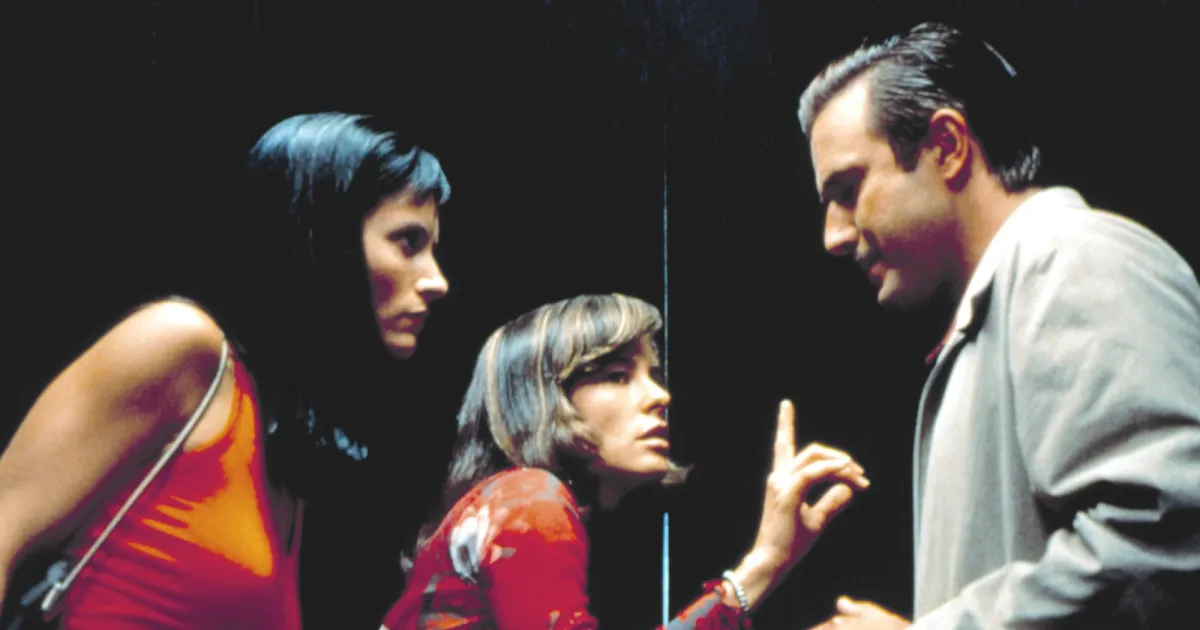
One of the brightest highlights of Scream 3, and a major reason the film deserves a passionate reevaluation, is the scene-stealing performance of Parker Posey as the neurotic, hilariously spoiled actress Jennifer Jolie. Tasked with playing the fictional version of Gale Weathers in Stab 3, Posey injects the film with a manic, comedic energy that is impossible to resist and completely elevates every scene she inhabits. Her onscreen chemistry with Courteney Cox, who plays the real Gale Weathers, is nothing short of comedy gold, as the two women bicker, compete, and eventually team up to solve the murders in a chaotic parody of investigative journalism. Jennifer’s sheer absurdity—manifesting in her dramatic meltdowns, hilarious physical comedy, and her desperate attempts to survive by clinging to Gale’s side—provides a brilliant foil to Gale’s sharp, career-driven seriousness. Through Jennifer Jolie, the movie delivers sharp satire of Hollywood starlets, portraying the vanity and vulnerability of actors who find themselves utterly out of their depth when forced to face real-world danger. Posey’s performance alone transforms what could have been a forgettable sequel into a memorable, laugh-out-loud horror-comedy hybrid, proving that even in the midst of a bloody slasher film, there is ample room for brilliant character work and genuine humor. Her presence adds a layer of joy, making her character’s frantic attempts to survive one of the most delightful aspects of the entire franchise, and ensuring that her legacy remains firmly cemented in the hearts of fans who cherish the film’s campier side. The relentless banter between Jennifer and Gale creates a buddy-cop dynamic wholly unique to this installment, subverting the traditional tension in favor of high-camp theatricality. When Jennifer shrieks in terror or mimics Gale’s hair flips, she exposes the superficiality of the Hollywood system while building an endearing bond with her real-life counterpart. This comedic synergy ensures that even as the body count rises around them, the audience is treated to a masterful display of comedic timing that represents the absolute peak of the franchise’s meta-humor.
Ultimately, Scream 3 is an enduring testament to the sheer fun and versatility of the horror genre, proving that even a compromised script cannot dim the charm of beloved characters and a clever concept. It serves as a fascinating time capsule of the turn-of-the-century film industry, capturing the anxieties and excesses of late-90s and early-2000s cinema with a blend of self-reflection and popcorn entertainment. For those who may have dismissed the film initially, or for new fans who are just discovering the twisted history of Woodsboro, there has never been a better time to revisit this underrated gem with fresh eyes, an open mind, and appreciation for camp. Now, audiences can dive back into the Hollywood-set chaos, experience Parker Posey’s unforgettable antics, and cheer on Sidney Prescott as she takes her final, decisive stand. Mark your calendars and prepare some popcorn, because Scream 3 officially starts streaming on July 24, inviting both lifelong fans and curious newcomers alike to rediscover a film that, despite its unevenness, remains a deeply enjoyable, hilarious, and essential chapter in one of horror’s most celebrated sagas. Whether you love it for its self-aware critique of Hollywood greed, its unforgettable comedic performances, or for the satisfying way Sidney confronts her past, this entry offers an entertaining journey that deserves a prominent place in your slasher viewing rotation this summer. It reminds us that horror movies do not always need to be grim and suffocating; sometimes, a little self-aware laughter and high-energy drama are exactly what a franchise needs to stay fresh and lovable. So, let go of the rigid expectations of the past and allow yourself to be swept up in the delightful, chaotic ride of Wes Craven’s darkest, yet funniest Hollywood satirical film. It is a cinematic reunion you won’t want to miss, proving once and for all that while Ghostface can change locations, the heart of the franchise remains indestructible. This summer, embrace the laughs, enjoy the thrills, and celebrate the genius of this misunderstood sequel.