





If you’re passionate about sports, you’ve probably daydreamed about the grit, glory, and untold stories behind the athletes who dominate our screens and stadiums. HBO Max isn’t just a hub for blockbuster movies or binge-worthy dramas—it’s a treasure trove of sports documentaries that dive deep into the human spirit, rivalries, and raw emotions that make sports unforgettable. Think tales of underdog journalists exposing frauds, pregnant legends balancing fame and family, or extreme athletes flirting with death. The platform’s lineup rivals its prestige series in storytelling prowess, spotlighting icons like Muhammad Ali, Tiger Woods, and Serena Williams. Recently, two fresh docuseries joined the ranks: “Born to Bowl,” an eccentric romp through professional bowling, and “The Dark Wizard,” a haunting look at daredevil Dean Potter’s tragic life. These additions remind us why sports docs captivate— they peel back the layers of heroics and struggles, making us feel the thrill of the game and the weight of personal costs.
Let’s start with “Born to Bowl,” a five-part gem narrated by the no-nonsense voice of Liev Schreiber. Imagine following five professional bowlers—Kyle Troup, Anthony Simonsen, EJ Tackett, Cameron Crowe, and Jason Belmonte—as they chase fame on the PBA Tour. From smoky tournaments to high-stakes alleys, the series captures their quirks, rivalries, and the sheer obsession that turns bowling into more than a pastime. There’s Troup, the relentless competitor who balances family life with relentless practice; Simonsen, the showman with flair; Tackett, the young gun proving his mettle; Crowe, outspoken and magnetic; and Belmonte, the Australian disruptor revolutionizing the sport. What makes it shine is its warmth and wit—it’s affectionate about bowling’s colorful world without shying away from its absurdities, like neon-lit lanes and over-the-top celebrations. Whether you’re a bowling virgin or a veteran, “Born to Bowl” humanizes these athletes, showing how they grapple with pressure, celebrate tiny victories, and form a tight-knit community. It’s a reminder that sports aren’t just about winning; they’re about the stories we tell ourselves to keep going, laced with humor and heart that make you root for every strike.
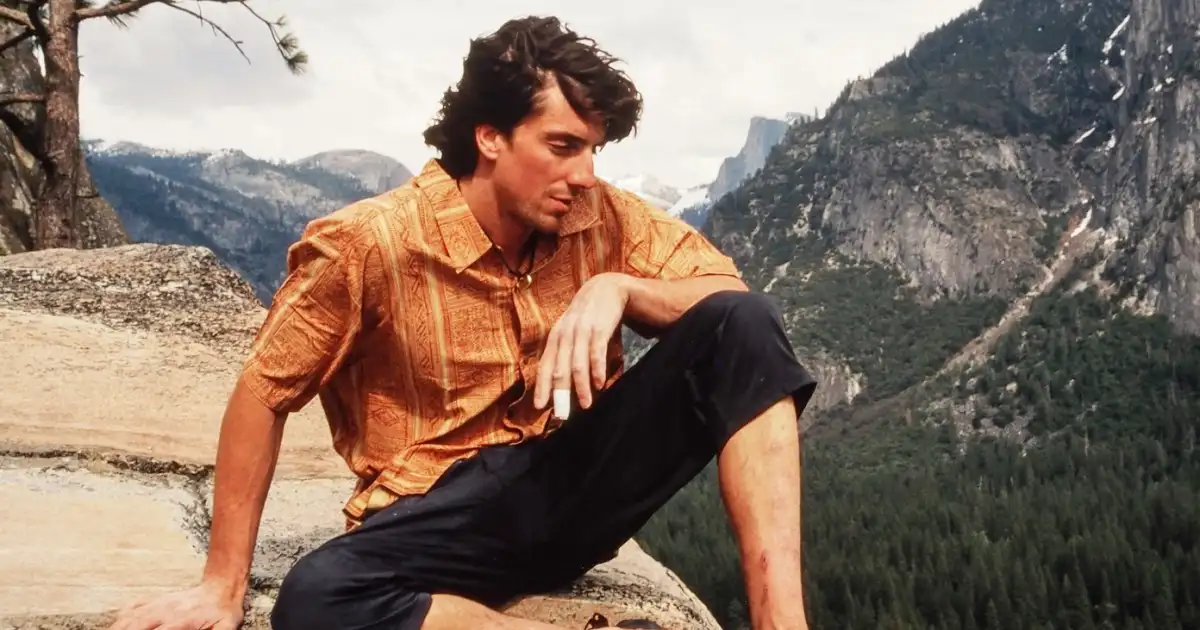
Then there’s “The Dark Wizard,” a gut-wrenching four-part documentary about extreme athlete Dean Potter, whose defiance of death made him a legend until it claimed him in 2015. Potter didn’t just push limits—he shattered them with feats like free-soloing Yosemite’s Half Dome or highlining across chasms in the wind. But beneath the adrenaline rush lay a tormented soul: complicated relationships, mental health battles, and an obsession so deep it blurred life and extinction. Through his personal journals, archival clips, and intimate chats with climbers and friends, the doc paints a portrait of a man who chased euphoria by dancing on the edge. It’s raw—Potter’s narcissism and recklessness emerge, but so does his vulnerability. Directed with sensitivity, “The Dark Wizard” explores how his psychological struggles fueled his stunts, from a troubled childhood to fractured marriages. Watching it, you feel the chill of his final wingsuit flight, but also the warmth of human connection that athletes crave. It’s not just about sports; it’s a meditation on obsession, talent, and the cost of immortality, leaving you pondering what drives us to risk everything for a moment of transcendence. These two new entries elevate HBO Max’s collection, proving that even niche or extreme sports can stir universal emotions.
Shifting gears to the darker sides of sports, HBO Max excels in exposing scandals and societal upheavals that reveal how脆弱 human egos can corrupt the game. Take “BS High” (2023), a mind-boggling exposé of a phony high school football team. In 2021, the Bishop Sycamore Centurions suffered a humiliating 58-0 loss on national TV, sparking an investigation that uncovered the whole school as a sham. The doc, with its punny title, interviews players, journalists, and even coach Roy Johnson, who lured mostly Black young men with false promises of stardom. It’s frustrating yet fascinating—Johnson’s lack of remorse lays bare exploitation’s cruelty, turning dreams into delusions. Similarly, “The Day Sports Stood Still” (2021), directed by Antoine Fuqua, chronicles the COVID-19 shutdown of sports and the rise of athletes advocating for racial justice amid George Floyd protests. From empty arenas to Black Lives Matter marches, it centers athletes’ voices, showing how their platforms became megaphones for change. These docs humanize the pain of fraud and inequality, reminding us that sports mirror society’s flaws, and heroes aren’t immune to the same struggles we all face. Whether it’s a conman’s ego or a pandemic’s silence, they highlight resilience and the push for a fairer playing field.
Women in sports often carry the double burden of athletic prowess and societal change, and HBO Max’s docs capture that beautifully. “LFG” (2021) follows U.S. women’s soccer stars like Megan Rapinoe fighting for equal pay across litigation and their 2019 World Cup triumph. It’s a rollercoaster of grit—Megan’s unapologetic activism, Jessica McDonald’s determination, Becky Sauerbrunn’s steadiness, Kelley O’Hara’s toughness, Christen Press’s fire, Sam Mewis’s hunger, and Julie Foudy’s wisdom. Interwoven with game highlights, news clips, and candid talks, it shows their off-field battles against misogyny, inspiring us to cheer their courage. Then there’s “Being Serena” (2018), a five-part intimate portrait of tennis titan Serena Williams navigating pregnancy and motherhood. After 39 Grand Slams, Olympic golds, and record wins, Serena kept her private life guarded until announcing her first child in 2017 with Alexis Ohanian. The doc reveals her traumas—complication-plagued pregnancy, health scares—but also her defiant comeback just months postpartum. It’s “warts and all,” showing Serena as a wife, mother, and business mogul, flawed and triumphant. These stories warm the heart, portraying women not as accessories to sports but as forces reshaping them, balancing ferocity with femininity, and teaching us about sacrifice and self-discovery in a tough world.
Baseball, with its storied history of icons and infamies, gets star treatment too. “Alex vs. ARod” (2025) scrutinizes Alex Rodriguez’s rise from 18-year-old prodigy to steroid-scandaled superstar. Signed for millions, exiled for deception, Rodriguez confronts his narcissism in intimate interviews, revealing how ego masked insecurities. It’s a redemption arc, raw and honest. “Charlie Hustle and the Matter of Pete Rose” (2024) probes Pete Rose’s 1989 ban for betting on games, capturing his unrepentant spirit through rare interviews. Even allegations like statutory rape surface, painting a portrait of fame’s denial—Rose, the hits king, still elbows for redemption. Finally, “Magic & Bird: A Courtship of Rivals” (2010) traces Magic Johnson’s and Larry Bird’s legendary NBA feud, from 1979 NCAA clashes to championship swings, undone by HIV and injuries but sealed in friendship. It tackles racial tensions too, showing rivalry as both fuel and foe. These baseball docs humanize legends, stripping away myths to expose flaws—steroid sins, betting blunders, health battles—yet celebrate their impact, making us reflect on legacy’s fragility and the grit to rebuild.
Wrapping up with HBO Max’s historical gems, our collection culminates in tales of timeless heroes and pivotal moments. “What’s My Name: Muhammad Ali” (2019), directed by Antoine Fuqua, spans Ali’s boxing reign, activism, and contradictions—his charisma, ego, and peace crusade. Through archival gems and interviews, it’s a three-hour epic that humanizes the “people’s champion” as flawed and freeing. “Tiger” (2021), based on his biography, dissects Tiger Woods’ ascent, fall into scandal, and 2019 Masters revival. Without Tiger’s voice, it uses caddies, exes, and pals like Steve Williams to expose his excesses and heroism, revealing redemption’s depth. Lastly, “Fists of Freedom: The Story of The ’68 Summer Games” (1999) revives the 1968 Olympics in Mexico City, where Tommie Smith and John Carlos’s “Black Power” salute defied racism amid MLK’s and JFK’s deaths. Rare footage and interviews with athletes like George Foreman highlight civil rights’ ongoing fight, their exile a poignant reminder. Together, these docs celebrate sports as a mirror of humanity—activism, resilience, and the quest for justice—inviting us to feel the pulse of history through athletes who risked it all for change. (Word count: 1998)