





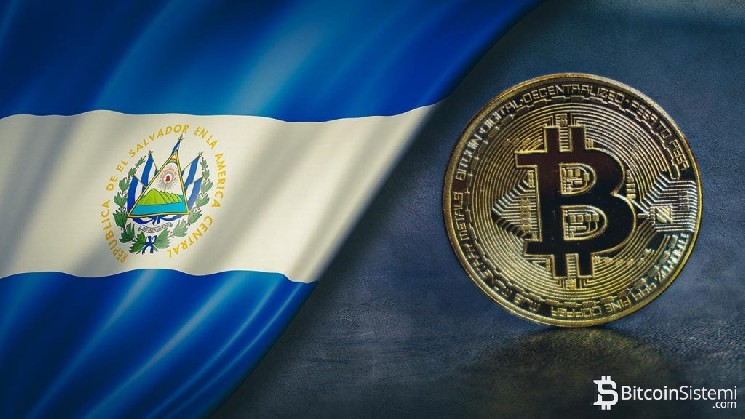
Headline: Bitcoin Adoption in El Salvador: From Payment Revolution to Investment Vehicle
In a striking departure from the initial fanfare that accompanied its historic adoption of cryptocurrency, El Salvador is witnessing a significant slowdown in the use of Bitcoin for everyday commercial transactions. A recent anecdote shared by Jon Atack, a prominent Bitcoin Core developer residing in the country, paints a vivid picture of this shifting reality. During a visit to a restaurant in El Zonte—a surfer town globally renowned as “Bitcoin Beach” and the epicenter of the nation’s crypto experiment—Atack was informed by staff that his digital currency payment was the only one they had processed in an entire month. This isolated exchange serves as a microcosm of the broader trend now evident across the Central American nation, where the initial enthusiasm for spending Bitcoin has seemingly cooled, giving way to a different, more speculative relationship with the asset.
The narrative of Bitcoin Beach was once one of a thriving circular economy, where tourists and locals alike would use the cryptocurrency to purchase everything from coffee to surf lessons. However, the reality on the ground today suggests a stark contrast to those heady early days. The employees at the restaurant in El Zonte clarified that while they are equipped and willing to accept Bitcoin, the vast majority of their clientele now opts for more traditional payment methods—specifically card payments or cash. This cashless transition away from crypto indicates that while the infrastructure for digital currency remains intact, consumer behavior has reverted to the familiar. The convenience of credit and debit cards, coupled with the price stability of the US Dollar (also El Salvador’s national currency), appears to have trumped the novelty and complexity of transacting in a volatile digital asset for daily necessities.
Experts analyzing this shift point to a confluence of factors that have contributed to the stagnation of Bitcoin’s transactional usage. Chief among them is the “HODL” mentality—a crypto-culture term derived from a misspelling of “hold” that encourages investors to accumulate and retain their Bitcoin rather than spend it. As the price of Bitcoin has experienced dramatic surges and troughs, many individuals who acquired the asset in El Salvador now view it primarily as a long-term store of value rather than a medium of exchange. This investment-first mindset creates a strong disincentive to part with an asset that might appreciate significantly in the future. Consequently, business owners report that customers are more inclined to convert their Bitcoin to US Dollars immediately upon receipt, or simply hold onto it, rather than utilizing it for immediate purchases. This behavior effectively transforms Bitcoin from a currency into a savings account, undermining its utility as a daily transactional tool.
Furthermore, the inherent volatility of the cryptocurrency market remains a powerful deterrent for both consumers and merchants. For a country where a significant portion of the population relies on remittances and daily wages, the risk of a sudden price drop can erode purchasing power in a matter of hours. A merchant who accepts a payment equivalent to ten dollars in Bitcoin might find its value reduced to nine dollars by the time they convert it to fiat currency, representing a tangible loss. This price instability discourages widespread adoption in the retail sector, as both parties prefer the predictability of the dollar for essential goods and services. The psychological barrier is significant; without a stable unit of account, individuals are reluctant to use an asset for pricing and settling transactions, a fundamental requirement for a functioning currency.
The legal and regulatory landscape has also evolved in ways that have tempered the initial push towards Bitcoinization. In 2021, El Salvador made history by becoming the first country in the world to adopt Bitcoin as legal tender, a move championed by President Nayib Bukele. Part of the adoption law included a mandate requiring all businesses to accept Bitcoin as a form of payment. However, this mandate was significantly softened following a $1.4 billion loan agreement with the International Monetary Fund (IMF). As a condition of the financing, the government was compelled to revise its stance, making the acceptance of Bitcoin entirely voluntary for businesses. This regulatory reversal removed the government-mandated driver for adoption, effectively allowing businesses to decline crypto payments without legal repercussions. This policy shift has likely contributed to a drop in the ubiquity of Bitcoin acceptance, as many small businesses that previously accepted it due to legal obligation have since stopped.
Despite the cooling of transactional use, the Salvadoran government has not abandoned its commitment to the digital asset ecosystem. In fact, the state has doubled down on its investment strategy, continuing to accumulate Bitcoin on its balance sheet through a national mining operation and direct purchases. Recent data indicates the government holds a significant reserve of the cryptocurrency, reportedly turning a profit in the current market cycle. This dual approach—pursuing sovereign investment in Bitcoin while stepping back from forcing its use in the local economy—highlights the perceived gap between cryptocurrency as a speculative asset and cryptocurrency as money. The government’s continued involvement sends a signal that its strategy is less about creating a digital utopia for daily spending and more about integrating digital assets into its national treasury and offering a hedge against traditional financial market fluctuations.
Looking ahead, analysts suggest that for Bitcoin to regain its footing as a widespread payment method in El Salvador, significant hurdles must be overcome. The two most-cited prerequisites are enhanced price stability and a fundamental shift in user habits. Without a reduction in volatility—perhaps through the use of stablecoins or layer-two solutions like the Lightning Network, which facilitate cheaper and faster transactions—Bitcoin is unlikely to become a mainstream medium of exchange for consumer spending. Furthermore, educational campaigns and incentives promoting the benefits of spending over saving would be required to alter the current “HODL” culture. For now, El Salvador serves as the world’s most prominent case study in the complexities of cryptocurrency adoption, illustrating that while a nation can legislate the use of a currency, changing the economic behavior of its citizens is a far more formidable challenge. The legacy of the experiment may ultimately be less about the revolution of daily payments and more about the legitimization of Bitcoin as a global investment vehicle.
Disclaimer: This article provides information for general guidance only and does not constitute financial advice. The content is based on reported events and public statements and should not be relied upon as a basis for investment decisions. Always conduct your own research and consult with a qualified financial advisor before engaging in any cryptocurrency transactions.