



Sevilla FC Stars Ensnared in $28 Million Crypto Catastrophe: Fake NFTs and a Pump-and-Dump Fiasco
In the glittering yet treacherous world of cryptocurrency, where dreams of overnight riches often collide with harsh realities, a shocking scandal has erupted involving some of Spain’s most celebrated football icons. According to a fresh criminal complaint lodged in Barcelona, six former Sevilla FC players are under judicial scrutiny for their purported involvement in a brazen crypto scheme that peddled fictitious non-fungible tokens (NFTs) and manipulated a custom token, defrauding investors out of over €24 million—roughly $28 million. This isn’t just another cautionary tale from the crypto Wild West; it’s a sobering reminder of how the lure of celebrity endorsements can mask fraudulent enterprise, leaving ordinary investors high and dry. As Barcelona’s Court of Instruction No. 5 delves deeper into the allegations, the case shines a spotlight on the vulnerabilities inherent in the NFT market, where digital collectibles can vanish into thin air without ever existing on a blockchain. The players named—Papu Gómez, Lucas Ocampos, Ivan Rakitić, Nico Pareja, Alberto Moreno, and Javier Saviola—face accusations that could stain their legacies, turning football fame into a liability in the unforgiving arena of financial regulation. Two additional players, Diego Perotti and Marcelo Guedes, are implicated in promotional roles, reportedly using their profiles to drum up interest in the project dubbed Shirtum. For fans and financial enthusiasts alike, this saga underscores the perilous intersection of sports stardom and speculative bubbles, prompting echoes of past high-profile crypto debacles like those involving celebrity-backed scams that have rocked the industry.
The complaint, filed by thirteen aggrieved Spanish investors who claim to have lost their entire investments, paints a picture of deception layered atop the prestige of elite footballers. Published in El Correo de Andalucía, the document details how these athletes allegedly lent their cachet to Shirtum Europa, S.L.U., and affiliated Andorra-based entities, positioning the scheme as a premier destination for digital football memorabilia. Investors were lured with promises of exclusive NFT collectibles featuring photos and voice clips from the accused players, each priced at approximately €450. Yet, beneath the glossy marketing facade lurked a web of deceit; the NFTs were never minted on any blockchain, rendering them intangible illusions rather than tradable assets. This revelation strikes at the heart of NFT authenticity, a cornerstone of the market’s allure, and echoes broader concerns about transparency in digital ownership. The investors’ plight is visceral, as they recount pouring funds into what they believed was a legitimate venture, only to be met with radio silence and vanished returns. By name-dropping icons like Rakitić and Saviola, the promoters tapped into the emotional resonance of football fandom, but this strategy now threatens to backfire, potentially exposing the players to personal and professional repercussions. As investigations widen, questions arise about the athletes’ awareness of the scheme’s underpinnings—were they merely unwitting endorsers, or complicit actors in a calculated scam? Sources close to the case suggest that some players actively participated in pitching the project, blurring the lines between endorsement and endorsement.
Zooming in on the NFT facet of the fraud, the allegations reveal a staggering simulacrum that underscores the pitfalls of unregulated crypto collectibles. Shirtum advertised itself as a marketplace for buying and selling digital football treasures, enticing buyers with “filmic NFTs” that promised immersive multimedia experiences. But as forensic probes uncovered, these assets weren’t just undelivered—they never existed. Quotes from the complaint emphasize the cruel irony: “These supposed NFTs technically never existed, were not transferable or resellable, and amounted to a complete simulation of the object sold to the detriment of the buyers.” Investigators, combing through digital trails, found no on-chain evidence, confirming the NFTs were mirages, sold off like counterfeit artwork at auctions. Prior to launching the NFT sales, Shirtum’s backers had collected around €3 million in BNB tokens from investors, earmarked for developing a mobile app compatible with iOS and Android. Tragically, the app remained a figment of imagination, and the funds—much like the NFTs—disappeared without a trace or accounting. Annual financial records from the companies further muddied the waters, failing to reflect the €1 million surged from NFT transactions, raising red flags about potential money laundering or diversion. This episode illuminates the NFT industry’s vulnerability to hype-driven hoaxes, where celebrity involvement can inflate perceived value beyond substance, leaving purveyors free to abscond with proceeds.
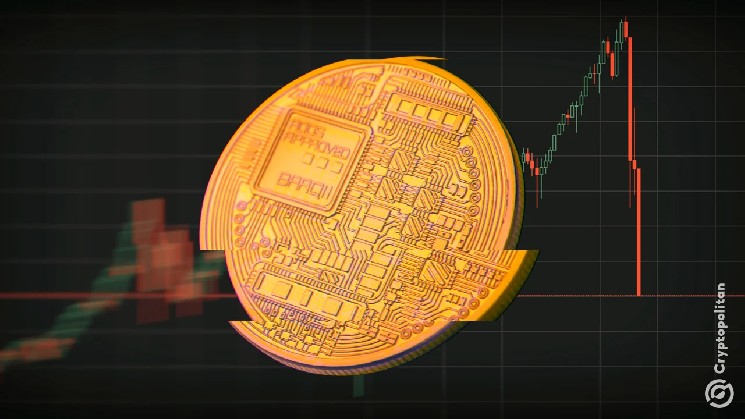
Adding layers to this multifaceted deception is the saga of Shirtum’s proprietary cryptocurrency, known as $SHI, which morphed from a presumed asset into a pump-and-dump calamity. The expanded complaint alleges that from a total issuance of one billion tokens, 780 million—representing a hefty 78% share—were allocated gratis to four business promoters and the implicated footballers. This free distribution enabled them to flood decentralized exchanges like PancakeSwap, artificially inflating prices through coordinated sales to retail buyers. The strategy hinged on creating FOMO, or fear of missing out, amplified by the football stars’ endorsements, which paraded the token as a gateway to exclusive football-themed rewards. Testimonials from affected investors describe a orchestrated frenzy, where high valuations masked the token’s innate fragility, leading to inevitable implosion. In a twist of audacious timing, the complaint notes that in July 2025—amidst an ongoing criminal probe—the accused orchestrated the permanent withdrawal of $SHI’s liquidity from PancakeSwap, precipitating a price plummet. Today, per CoinGecko, the token languishes at a trifling $0.00003329, effectively worthless and delisted from exchanges. Investors estimate losses from this manipulation alone to exceed €20 million, with the true toll potentially soaring higher as parallel scams intertwine. This pump-and-dump narrative isn’t isolated; it resonates with notorious crypto manipulations, highlighting how insider advantages can exacerbate market volatility, eroding trust in blockchain ecosystems.
As Barcelona’s Court of Instruction No. 5 presses forward, the ripples of this investigation extend beyond the Spanish borders, intersecting with parallel probes by the national police. The recent complaint bolsters initial allegations of NFT fraud by incorporating charges of token manipulation, potentially broadening the scope of indictments and paving the way for international repercussions. The thirteen complainants, hailing from Spain, represent a cross-section of everyday investors who were enticed by the glamour of football royalty, only to suffer total financial ruin. Their collective voice underscores a pattern seen in emerging crypto litigation, where regulatory frameworks struggle to keep pace with innovative scams masquerading as innovations. Experts in financial forensics point to parallels with earlier cases, such as those involving fake NFT projects duping enthusiasts worldwide, emphasizing the need for stricter vetting of celebrity-backed ventures. While the players named maintain profiles of innocence—distancing themselves through legal channels—the specter of reputational damage looms large, potentially affecting their post-retirement endeavors and relationships with sponsors. As the inquiry unfolds, stakeholders in the crypto space watch closely, hoping for precedents that could fortify defenses against similar exploitations.
Looking ahead, this Seville scandal could serve as a watershed moment for the converging worlds of professional sports and cryptocurrency, prompting soul-searching among athletes, investors, and regulators alike. The €24 million hemorrhaged by unsuspecting backers represents not merely lost capital but shattered trust in systems promising egalitarian wealth creation. As global markets grapple with crypto’s growing pains, stories like this reinforce calls for enhanced transparency, mandatory blockchain verifications, and accountability measures for high-profile endorsements. Football clubs, too, might rethink associations with fintech ventures, weighing lucrative partnerships against ethical pitfalls. For the accused players, whose careers were built on agility and precision, this ordeal tests their mettle off the pitch, potentially reshaping narratives around sports icons in the digital age. As investigations continue and more details emerge, observers anticipate a reckoning that could redefine lines between legitimate innovation and outright fraud, ensuring that future schemes face scrutinizing backstops. In the end, while crypto’s allure persists, tales of betrayal like Shirtum remind us that brilliance on the field doesn’t guarantee integrity in the boardroom, urging a healthier skepticism in an era of digital gold rushes. As legal proceedings advance, the football fraternity and crypto community alike brace for verdicts that may echo far beyond Barcelona’s courthouses, influencing how we perceive stardom’s intersection with speculative finance. The saga, rife with irony and intrigue, underscores the imperative for vigilance, where every NFT and token hides potential hazards beneath a veneer of excitement. Ultimately, this case isn’t just about lost euros; it’s a cautionary chronicle of ambition unchecked, inviting broader dialogues on safeguarding investors in an increasingly complex financial landscape. As Spain’s judiciary navigates these murky waters, the world tunes in, hopeful that justice will prevail and illuminate paths toward a more equitable crypto frontier.