




The $100 Billion Near-Miss: How the Aborted Binance-FTX Merger Reshaped Modern Tech History
The Retrospective Shockwave: CZ’s $100 Billion Near-Miss
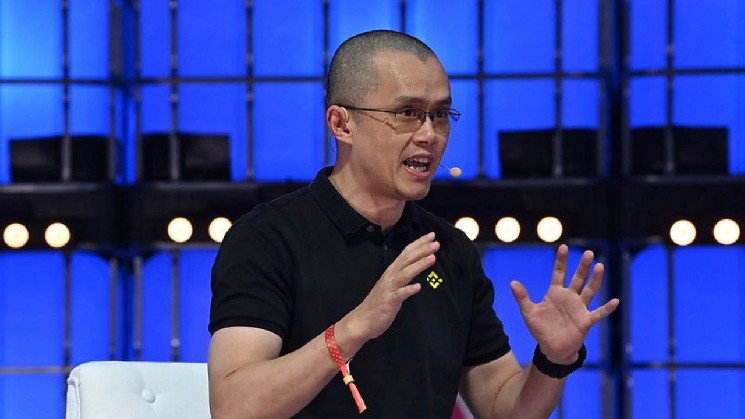
In the volatile annals of financial history, some of the most profound outcomes are determined not by the deals that are made, but by those that fall apart at the eleventh hour. In November 2022, as the digital asset market teetered on the edge of a systemic precipice, the world watched a high-stakes corporate drama unfold between Changpeng “CZ” Zhao, the founder of Binance, and Sam Bankman-Fried, the eccentric chief of the collapsing FTX exchange. At the time, Binance’s abrupt decision to walk away from a rescue acquisition of its chief rival was viewed as a necessary, self-preserving retreat from an insolvent entity plagued by regulatory scrutiny and back-room financial misconduct. However, in light of recent venture capital shifts and the explosive rise of artificial intelligence, that decision has taken on a staggering alternative reality. If Binance had completed the acquisition of FTX, Zhao would have inherited a treasury containing what is now widely considered one of the most valuable venture portfolios in tech history.
This startling realization was brought to the forefront by Alex Svanevik, CEO of blockchain analytics firm Nansen, who highlighted how a standard corporate bailout would have inadvertently handed Binance an unprecedented financial empire. By absorbing FTX’s assets, Binance would have captured early-stage equity stakes in the crown jewels of the Silicon Valley artificial intelligence boom and aerospace technology. Instead of becoming a cautionary tale of corporate contagion, the transaction would have transformed Binance’s balance sheet from a crypto-reliant ledger into a diversified investment titan. This retrospectively prized portfolio, once valued at mere fractions of its prospective worth during the depths of the 2022 “crypto winter,” has since ballooned to a valuation north of $100 billion, marking a historic paradox where a business deal abandoned as a toxic hazard was actually a gateway to unimaginable generational wealth.
From Anthropic to SpaceX: Unpacking the Hidden Treasures of the FTX Treasury
FTX's Prophetic Venture Portfolio (Retrospective Valuations)┌────────────────────────────────────────────────────────────────────────┐
│ Asset │ Initial FTX Investment │ Retrospective Peak Value │
├─────────────┼──────────────────────────┼────────────────────────────────┤
│ Anthropic │ ~$500 Million │ ~$70 Billion – $90 Billion │
│ Solana │ ~$60 Million │ ~$21 Billion (Peak SOL) │
│ Cursor │ 5% Stake │ ~$3 Billion │
│ SpaceX │ Indirect Exposure │ Billions (Diversified) │
└────────────────────────────────────────────────────────────────────────┘
To understand the sheer magnitude of what Zhao walked away from, one must dissect the anatomy of the portfolio curated by Sam Bankman-Fried and his venture team. Long before “generative AI” became a household term and the defining investment thesis of Wall Street, Bankman-Fried’s investment arms had quietly funneled massive capital reserves into pioneering technology firms. Chief among these was a highly strategic, $500 million investment in Anthropic, an AI safety and research company founded by former OpenAI executives. Today, as global tech companies raise billions to compete in the large language model arms race, Anthropic’s market valuation has soared past $600 billion, with some insider transactions placing its potential valuation closer to $900 billion. Had Binance preserved this single holding, their 8% stake would today be valued at a staggering $70 billion to $90 billion, eclipsing the net worth of most sovereign wealth funds.
But the venture genius of the FTX portfolio did not stop with Anthropic. It extended into highly selective software and space exploration spaces. FTX held a 5% stake in Cursor, an AI-powered code editor that has since become the industry standard for software developers globally. During the firesale of the bankruptcy proceedings in 2023, the estate liquidated this stake back to Cursor’s founders for a mere $200,000. Shortly thereafter, Cursor underwent an explosive valuation transition, propelled by SpaceX’s strategic involvement and a broader institutional funding round that valued the software platform at $60 billion—rendering that original 5% stake worth custom of $3 billion today.
Additionally, the portfolio featured exposure to Elon Musk’s SpaceX, holdings in the public brokerage firm Robinhood, and an extraordinarily cheap accumulation of Solana (SOL) tokens. Bankman-Fried had accumulated approximately $60 million worth of SOL when the token languished around $8 during the market crash. At its subsequent peak market recovery, that massive liquid crypto position alone swelled to an estimated $21 billion. As Scale Venture Partners’ Rory O’Driscoll noted, despite SBF’s catastrophic operational failures, his ability to spot and fund frontier-tech standard-bearers before the artificial intelligence super-cycle was nothing short of extraordinary.
Three Days in November: The Collapse of the Bailout That Shook Global Finance
The road to this missed opportunity was paved during seventy-two frantic hours in early November 2022. The crisis began with a sudden run on the bank after reports emerged indicating that Bankman-Fried’s trading firm, Alameda Research, held a dangerously large portion of its balance sheet in FTX’s native utility token, FTT. Facing an unprecedented $6 billion liquidity crunch in less than three days, a desperate Bankman-Fried placed an urgent phone call to his chief rival, Changpeng Zhao. In his memoir, Freedom of Money, Zhao characterizes Bankman-Fried’s approach as bizarrely casual, recalling that the disgraced founder asked for billions of dollars to plug a financial black hole “nonchalantly, as if he were asking for a bologna sandwich.”
Timeline of the 72-Hour FTX Collapse┌────────────────────────────────────────────────────────────────────────┐
│ Nov 6, 2022: CZ announces Binance will liquidate its FTT holdings. │
│ Nov 7, 2022: Bank Run – FTX faces $6B in customer withdrawal requests. │
│ Nov 8, 2022: SBF calls CZ; non-binding Letter of Intent (LOI) signed. │
│ Nov 9, 2022: Binance initiates due diligence; discovers deep hole. │
│ Nov 9, 2022: Binance formally withdraws, citing mishandled funds. │
└────────────────────────────────────────────────────────────────────────┘
Hoping to stabilize the rapidly deteriorating digital asset ecosystem, Zhao signed a non-binding Letter of Intent (LOI) to acquire the entirety of FTX’s non-US operations. However, Zhao’s motivations were grounded in pragmatic asset protection rather than a genuine, pre-meditated intent to absorb SBF’s empire. He viewed the LOI as a formality—a mechanism that allowed Binance’s legal, financial, and compliance experts immediate access to FTX’s inner ledger to assess if the business was salvageable.
The due diligence process quickly turned into horror. Within hours, corporate auditors discovered structural anomalies that defied basic regulatory principles: a massive deficit of client funds, a deeply tangled relationship with Alameda Research, and a host of active investigations by United States regulatory entities. Realizing that the contagion inside FTX was not a simple liquidity mismatch but systemic operational insolvency, Binance officially withdrew from the acquisition on November 9, 2022. The decision triggered the immediate downfall of FTX, dragging the broader crypto market down with it and sending SBF on a direct path to a federal trial.
“As If He Were Asking for a Bologna Sandwich”: CZ’s Side of the Story
“He asked for billions of dollars nonchalantly, as if he were asking for a bologna sandwich.”
— Changpeng Zhao, “Freedom of Money” (2026)
In his reflective memoir, Freedom of Money, Zhao offers a candid, rare behind-the-scenes look at the cold corporate calculations that dictated his actions. He strongly rejects the widely circulated narrative that Binance’s public actions were a coordinated, predatory strike designed to destroy its loudest competitor. Instead, the memoir details a long-standing, quiet ideological and political battle occurring in the background. According to Zhao’s writings and his subsequent appearance on the All-In Podcast, Bankman-Fried had spent months utilizing his massive wealth and regulatory access to lobby politicians and regulators in Washington, D.C. behind closed doors. This lobbying, Zhao claims, was explicitly aimed at painting Binance as an offshore, foreign risk vector while positioning FTX as the compliant, regulated darling of the American establishment.
Despite this bad blood, Zhao insists that when the crisis hit, his primary objective was to shield the broader decentralized finance ecosystem from a devastating systemic shock. When he realized the sheer scale of the fraud occurring under SBF’s watch, however, saving the exchange became an ethical and legal impossibility. Zhao writes that inheriting FTX’s liabilities would have permanently compromised Binance’s regulatory standing and exposed his own company to lethal legal actions from U.S. enforcement agencies. Ironically, some of Binance’s own assets perished in the collapse. The firm’s FTT token reserves, valued at roughly $580 million prior to the bank run, were reduced to worthless digital dust, a loss Zhao accepted as the price of maintaining market boundaries and operational integrity.
The Game-Theoretic Trap: Caroline Ellison’s Fatal Error and the FTT Run
The immediate catalyst that accelerated the run on FTX was a major tactical miscalculation by Caroline Ellison, the former CEO of Alameda Research. As rumors of insolvency began to swirl, and after Zhao announced that Binance would begin systematically selling its $580 million position in FTT, Ellison attempted to stabilize the situation through a public pronouncement on social media. She openly offered to buy back the entirety of Binance’s FTT holdings at a set price of $22 per token. In his memoir, Zhao identifies this public offer as a “fatal error” in game theory and market tactics.
Anatomy of the FTT Collateral Collapse┌──────────────────────────────────────────────────────────────┐
│ Ellison’s Public Proclamation: “We will buy FTT at $22” │
└──────────────────────────────┬───────────────────────────────┘
│
Instantly reveals the critical collateral floor level.
│
▼
┌──────────────────────────────────────────────────────────────┐
│ High-frequency traders & short-sellers target the $22 peg. │
└──────────────────────────────┬───────────────────────────────┘
│
Traders aggressively short-sell FTT, breaking the floor.
│
▼
┌──────────────────────────────────────────────────────────────┐
│ FTT drops from $22 to $5 in 72 hours; FTX collateral drops. │
└──────────────────────────────────────────────────────────────┘
By publicly naming the price floor, Ellison inadvertently showed the global market exactly where Alameda’s liquidation threshold lay. Professional institutional short-sellers and high-frequency trading firms instantly realized that if they could force the market price of FTT below the $22 mark, it would trigger automatic margin calls and liquidations across Alameda’s heavily leveraged balance sheet.
Predictably, the market responded with extreme downward pressure. Algorithmic traders aggressively shorted the token, rapidly breaking through the $22 defense line. Within three days, FTT collapsed from $22 to under $5, evaporating billions of dollars in collateral value that Alameda had used to secure its massive loans. The sudden drop triggered a modern bank run, draining $6 billion in client assets in a matter of days as users scrambled to withdraw their funds from an exchange that had already lent those very deposits to its sister trading firm.
The Irony of the Estate: How the AI Super-Cycle Saved the Victims of Crypto’s Darkest Hour
In one of the most paradoxical twists in financial history, the ultimate resolution of the FTX bankruptcy process has turned out to be positive for the victims of the collapse, largely thanks to the very venture assets that Binance left behind. Following the bankruptcy filing, the court-appointed restructuring team, led by insolvency expert John J. Ray III, assumed control of the company’s remaining assets. Instead of finding a completely dry well, they discovered a treasure chest of early-stage software and AI stakes. Over the next two years, the historic rise of the generative AI sector turned these illiquid venture assets into incredibly valuable, highly sought-after commodities.
The liquidation of the estate’s Anthropic holdings, in addition to recoveries of cash, property, and volatile digital tokens like Solana, allowed the bankruptcy team to amass a massive multi-billion-dollar fund. This asset recovery process has enabled the FTX estate to offer a historic settlement: paying back 100% of the verified claims to the exchange’s retail creditors, complete with interest—an outcome that is virtually unprecedented in large-scale corporate bankruptcies.
For Changpeng Zhao, who faced his own legal challenges in the United States and spent time in a federal correctional facility for financial compliance oversights, the decision to walk away remains a point of deep retrospective contemplation. On one hand, avoiding the FTX acquisition shielded Binance from the immediate, catastrophic blame of SBF’s fraud. On the other hand, it represents what many venture capitalists now call the ultimate missed opportunity of the century. Had Binance navigated the regulatory storm and secured the acquisition, the exchange would have quietly transformed into the world’s most dominant venture capital fund, sitting on a mountain of AI wealth that would have permanently redefined the balance of power between traditional finance, technology, and the decentralized web.