





A Diplomatic Paradigm Shift: Leaked Draft Outlines a Path Toward Permanent US-Iran De-escalation
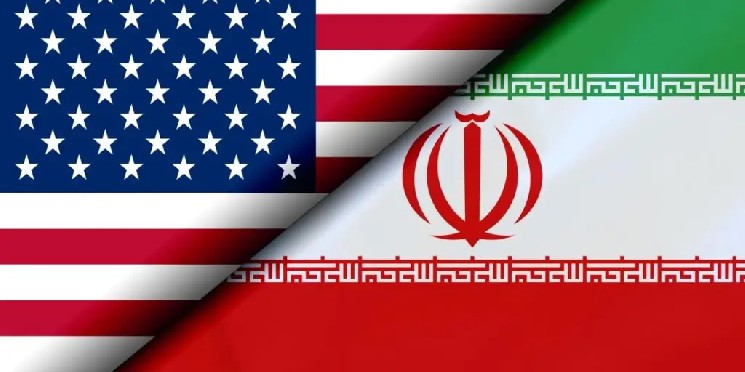
The geopolitical landscape of the Middle East, long defined by entrenched proxy conflicts and bitter ideological divisions, stands on the precipice of a potentially historic transformation following the dramatic leak of a highly detailed, 14-point diplomatic memorandum of understanding. First disclosed in extensive detail by the Saudi-aligned Al Arabiya television network, and subsequently mirrored with telling strategic variations by Tehran’s state-adjacent Mehr News Agency, this leaked blueprint outlines a comprehensive framework designed to bring a decisive end to decades of direct and indirect hostility between the United States and the Islamic Republic of Iran. Unlike previous short-term security understandings or the highly compartmentalized parameters of the 2015 nuclear deal, the first article of this newly surfaced draft sets an incredibly ambitious goal: an immediate, permanent, and comprehensive cessation of military operations across all active operational theaters, explicitly including the volatile borders of Lebanon. By committing Washington, Tehran, and their respective global and regional coalitions to a strict non-aggression pact, the memorandum seeks to build a foundational architecture of mutual respect for national sovereignty and territorial integrity. This dramatic shift away from coercive diplomacy and military brinkmanship suggests that both nations, exhausted by recurring cycles of retaliatory violence, are actively exploring a structured path toward a sustainable detente. The revelation of this document has ignited intense debate among foreign policy analysts, who point out that the inclusion of such explicit language regarding the immediate cessation of hostile actions represents the most significant diplomatic breakthrough since the collapse of the Joint Comprehensive Plan of Action (JCPOA).
Securing the Strait of Hormuz: High-Stakes Commitments to Lift Blockades and Clear Strategic Waterways
At the heart of this proposed diplomatic detente lies a series of high-stakes, time-sensitive maritime and military de-escalation protocols designed to secure the world’s most critical energy transit routes. Under the terms detailed in the leaked draft, the United States has committed to immediately lifting its naval blockade against Iranian territorial waters and trade lanes, with the explicit goal of restoring Iran’s global maritime shipping capacities to pre-war operational baselines within thirty days of signing. Simultaneously, Washington has pledged to systematically draw down and relocate its heavy naval assets and military footprint from the sensitive maritime zones surrounding the Iranian mainland within thirty days of a final treaty being realized. In return for this significant reduction in Western military containment, Tehran must assume the responsibility of stabilizing commercial shipping lanes throughout the Persian Gulf and the Gulf of Oman. Within a strict thirty-day window, Iranian authorities are expected to dismantle defensive military obstacles, secure crucial shipping corridors, and neutralize underwater mines that have long threatened international commercial vessels and oil tankers transiting the crucial Strait of Hormuz. This synchronized restoration of maritime safety is designed to reassure nervous global energy markets while proving that both Washington and Tehran can cooperate on vital global trade security, effectively neutralizing one of the world’s most volatile potential military flashpoints.
The $300 Billion Reconstruction Pact: Rewriting the Middle East’s Economic Alliance
Perhaps the most surprising and economically transformative element of the leaked memorandum is the inclusion of an expansive, multi-billion-dollar developmental assistance program aimed at reintegrating Iran into the global financial system. According to the document, the United States, in close collaboration with its wealthy Gulf Arab partners and international financial institutions, will actively contribute to the creation of a massive, comprehensive recovery and development master plan tailored specifically for the modernization of Iran’s domestic infrastructure. This ambitious economic stabilization initiative envisions an unprecedented financial commitment of at least $300 billion, focusing on rebuilding Iran’s aging energy sector, expanding its civilian transportation networks, and modernizing its commercial shipping infrastructure. By linking regional economic integration directly to Iranian compliance with the peace process, the architects of this agreement are attempting to apply classic liberal peace theory to one of the world’s most stubborn conflicts, offering tangible economic growth as an alternative to regional isolation. The implementation guidelines for this massive reconstruction package are scheduled to be finalized within sixty days of the signing of the initial memorandum, signaling a concerted effort to transform a history of punitive economic pressure into a cooperative framework that prioritizes shared prosperity, regional trade, and mutual financial interdependence.
Unraveling Global Sanctions: Inside the Fight Over Liquid Assets, Oil Waivers, and Banking Integration
To facilitate this economic transformation, the draft memorandum outlines a highly structured, comprehensive dismantling of the vast international sanctions regime that has crippled the Iranian domestic economy for decades. Under the proposed terms, the United States is obligated to lift all unilateral economic restrictions, alongside systematically dismantling multilateral sanctions imposed through various United Nations Security Council mandates and historical resolutions passed by the International Atomic Energy Agency (IAEA) Board of Governors. Central to this relief effort is an immediate directive from the US Department of the Treasury granting expansive, legally binding exemptions for international buyers of Iranian crude oil, petrochemical products, and petroleum derivatives. These critical treasury waivers will also cover essential auxiliary industries, including international banking networks, maritime insurance providers, and global cargo transportation services, effectively resolving the financial bottleneck that has locked Iran out of the SWIFT banking system. However, a significant diplomatic discrepancy has emerged between the Western-aligned Al Arabiya version of the document and the Tehran-backed Mehr News report regarding the release of Iran’s offshore frozen assets. While the Saudi broadcast describes a performance-based release of restricted capital tied directly to verification of security commitments, the Iranian version claims a much more front-loaded approach, asserting that $24 billion in frozen assets will be released during the transitional 60-day window, with a massive $12 billion injection delivered to Iranian central bank accounts before formal negotiations even begin.
The Non-Proliferation Dilemma: Restoring the Nuclear Status Quo While Excluded Weapons Remain a Flashpoint
On the sensitive front of nuclear non-proliferation, the memorandum relies on a delicate “freeze-for-freeze” formula designed to preserve regional stability while diplomats work toward a permanent, comprehensive treaty. Under this interim agreement, the Islamic Republic of Iran officially reaffirms its strategic commitment to never pursue, develop, or acquire weapons-grade nuclear material, agreeing that the ultimate disposition of its enriched uranium stockpiles and future enrichment capacities will be resolved during the formal treaty negotiations. While these difficult talks progress, both sides agree to strictly maintain the current status quo: Iran will halt further advancements in its enrichment purity levels and centrifuge deployments, while the United States pledges to refrain from imposing any new economic penalties or expanding its offensive military deployments in the Middle East. Despite these constructive steps, the draft contains a highly controversial omission that is already drawing sharp criticism from defense hardware experts and regional security hawks in Washington and Jerusalem. According to supplementary details published by the Iranian state media, Tehran has successfully insisted that its sophisticated domestic ballistic missile development program, along with its extensive financial and logistical patronage of regional “resistance groups,” be explicitly excluded from the active negotiating agenda, leaving Iran’s formidable regional deterrence networks completely intact.
The Roadmap to UNSC Ratification: Verification Mechanisms and the Treacherous Path to a Binding Peace
Recognizing that decades of mutual distrust cannot be undone by simple executive declarations, the final sections of the leaked memorandum establish a highly rigorous monitoring and verification apparatus designed to hold both nations accountable to their promises. The draft outlines the creation of a joint, multi-lateral monitoring commission tasked with tracking compliance, resolving technical disputes, and verifying progress across all 14 articles before transitioning to the final phase of negotiations. According to the Al Arabiya text, the formal progression toward a permanent treaty will only commence after both Washington and Tehran secure concrete, verifiable assurances regarding key de-escalation steps, including the removal of the naval blockade and the initial release of restricted financial assets. The ultimate goal of this complex diplomatic roadmap is to codify the final agreement as a legally binding, globally recognized treaty ratified under a formal resolution of the United Nations Security Council, effectively protective-coating the agreement against future domestic political shifts in either Washington or Tehran. As regional observers digest the sweeping implications of this leaked memorandum, the world is left to ponder whether this dramatic framework represents a genuine, pragmatically constructured blueprint for a new era of Middle Eastern peace, or simply a temporary, highly fragile pause in an inevitable march toward regional conflict.