


Going Down with the Ship: Why Dave Portnoy Vows to Hold His Bitcoin to Zero Despite Millions in Losses
The High-Stakes Gamble of a Digital Maverick
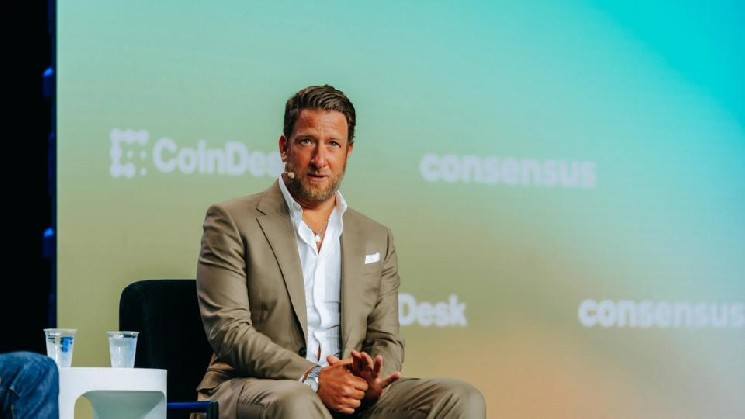
In the volatile arena of cryptocurrency trading, few personalities command an audience quite like Dave Portnoy. The outspoken founder of Barstool Sports, known for his brash commentary and “One Bite” pizza reviews, has once again captured the attention of the financial world with a dramatic declaration regarding his cryptocurrency portfolio. Speaking on FOX Business’ Varney & Co., Portnoy revealed to host Stuart Varney that he is prepared to hold his Bitcoin ($BTC) investments all the way down to absolute zero, refusing to liquidate his position despite facing millions of dollars in unrealized losses. This steadfast, almost defiant posture highlights a broader psychological phenomenon within modern retail investing: the profound dread of missing out on the next parabolic market run, commonly known as FOMO, which often overrides traditional risk management strategies. For Portnoy, the decision to ride the wave to the bottom is not merely a financial calculation, but a deeply personal battle against his own historical timing errors in the notoriously unpredictable digital asset market.
A History of Bad Timing in the Crypto Arena
Portnoy’s relationship with the world’s primary cryptocurrency has been nothing short of a rollercoaster ride, characterized by spectacularly mistimed entry and exit points that have become legendary among his followers. During his live television appearance, the media mogul candidly admitted that his track record with Bitcoin is plagued by a recurring curse where the market moves in direct opposition to his trades. “There’s nothing I’ve been wrong about more than Bitcoin,” Portnoy confessed with characteristic transparency, explaining that every time he surrenders to market pressure and sells his holdings, the asset class experiences a massive upward rally—or, in his words, “goes nuclear.” Conversely, whenever he decides to buy back into the market, prices tend to plummet immediately afterward. This frustrating cycle of buying high and selling low has led him to abandon active trading in favor of a rigid, long-term holding strategy, preferring the certainty of a potential total loss over the agonizing regret of watching the market rally without him.
Buying at the Peak and Facing the Downturn
The root of Portnoy’s current financial headache stems from a series of high-profile purchases made when market euphoria was at its absolute peak. Portnoy disclosed that he acquired a substantial portion of his Bitcoin portfolio when the digital asset was trading around the $100,000 threshold, a psychological milestone that drew in massive waves of retail and institutional capital. According to market data from CoinDesk, Bitcoin reached historic heights in October of last year, peaking above $126,000 before entering a harsh correction phase that saw its value sliced in half to roughly $63,000. While the exact size of Portnoy’s cryptocurrency portfolio remains private, his admission of “millions of losses” confirms that his exposure to the asset is highly significant. Despite this staggering paper loss, his refusal to sell reflects a growing sentiment among a specific class of high-net-worth internet personalities who view their financial trials as a form of public theater and personal endurance.
The Psychology of Loss Aversion and High-Profile Investing
To understand Portnoy’s “go down with the ship” mentality is to understand the complex psychological dynamics that drive modern retail traders and public figures alike. In traditional finance, cutting losses is considered a fundamental rule of wealth preservation; however, in the realm of decentralized finance, holding through severe market downturns—colloquially referred to as “HODLing”—is often celebrated as a badge of honor. Portnoy’s public declaration resonates with a vast community of retail investors who have experienced the psychological trauma of selling an asset at a loss, only to watch it surge to new record highs shortly thereafter. By publicly committing to hold his Bitcoin to zero, Portnoy removes the pressure of decision-making, effectively immunizing himself against the pain of mistimed trades, even if that peace of mind comes at the expense of millions of dollars in capital.
The Broader Implications for the Cryptocurrency Market
Portnoy’s high-profile struggle serves as a highly visible case study for the persistent volatility that defines the cryptocurrency ecosystem. Unlike traditional stock markets, which are anchored by corporate earnings, cash flows, and regulatory guardrails, the price of Bitcoin is driven heavily by macro liquidity, regulatory sentiment, and collective investor psychology. When influential figures like Portnoy openly discuss their losses and trade failures on national television, it demystifies the asset class while simultaneously highlighting its extreme risks. The fact that an experienced business owner and media executive can find himself caught on the wrong side of a major market cycle underscores the reality that no investor, regardless of their wealth or platform, is immune to the violent swings of the crypto market. It also raises questions about the long-term sustainability of digital assets as reliable stores of value for the average retail investor who may not have Portnoy’s financial cushion to absorb such massive downturns.
Staying the Course in an Unpredictable Future
As the digital asset market continues to mature amid shifting global economic policies and mounting regulatory scrutiny, Dave Portnoy’s journey will undoubtedly remain a focal point for both critics and supporters of cryptocurrency. Whether his decision to hold onto his Bitcoin through this turbulent period will ultimately result in vindication during a future market recovery, or serve as a cautionary tale of stubbornness in the face of financial ruin, remains to be seen. For now, the Barstool Sports founder remains firmly entrenched in his position, prepared to accept whatever fate awaits his digital portfolio. His story stands as a vivid testament to the emotional and financial toll of trading in the digital age—a world where market cycles move at breakneck speed, and where the line between a visionary investment and a devastating loss is often determined by a matter of days.