




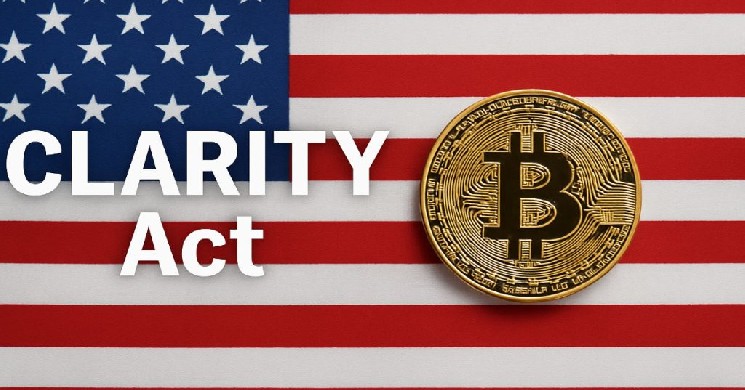
Bitcoin Regulation Hits a Milestone: Clarity on the Horizon for Cryptocurrency Markets
In a pivotal episode of Fox Business’s “Mornings with Maria,” Coinbase’s Chief Policy Officer, Faryar Shirzad, shed light on a potential game-changer for the cryptocurrency landscape. As the digital asset world navigates choppy regulatory waters, Shirzad’s announcement about the Bitcoin Market Structure Bill—dubbed the Clarity Act—signals a rare moment of optimism. Scheduled for markup in the House Financial Services Committee this very month, the bill is poised to reach the House floor in May, according to Shirzad. This development could mark the end of prolonged ambiguity surrounding Bitcoin and related assets, fostering an environment where financial institutions feel emboldened to wade deeper into the crypto space. Drawing on her insider perspective from one of the industry’s most prominent exchanges, Shirzad framed the moment as a tipping point, where bipartisan collaboration might yield tangible progress in a sector long fraught with uncertainty.
Transitioning from speculative hype to structured oversight, the Clarity Act represents a bipartisan effort to bring transparency to Bitcoin transactions and trading. Initially crafted to address market structure issues that have plagued cryptocurrency exchanges, the bill aims to delineate clear rules for digital asset derivatives and spot markets. By classifying certain digital assets as commodities under the purview of the Commodity Futures Trading Commission (CFTC), it seeks to mitigate risks associated with unregulated trading platforms. Shirzad’s glowing review of the bill’s evolution—following an initial markup in the Banking Committee just a few months prior—highlights the collaborative spirit among lawmakers. “Since the initial markup in the Banking Committee a few months ago, excellent work has been done,” she noted during the interview, emphasizing the recent strides in ironing out a monumental detail: stablecoin rewards. This provision ensures that legitimate financial innovations, like reward mechanisms in stable-dollar pegged coins, receive the regulatory green light they deserve, without stifling innovation.
Building on that foundation, Shirzad urged swift action from House Financial Services Committee Chair Patrick McHenry, a key Republican figure in the regulatory arena. “We hope Chair Scott will schedule the markup this month so that the bill can go to the House in May, securing a significant bipartisan victory for President Trump and Congress,” she stated with measured enthusiasm. This call to action underscores the urgency of capitalizing on the current political momentum. In an era where partisan divides often paralyze legislative progress, the Clarity Act stands as a beacon of unity. Its proposed path—from committee markup to House debate—could galvanize support across aisles, potentially aligning with the Trump administration’s focus on fostering American innovation in emerging tech sectors. Shirzad’s allusion to a “bipartisan victory” echoes the broader sentiment that, in the realm of cryptocurrency regulation, shared goals like economic growth and consumer protection transcend party lines. Such developments could invigorate public discourse, encouraging more informed debates about how the U.S. can harness digital assets for global competitiveness rather than relegating them to the shadows of legal gray areas.
As regulatory clarity approaches, the implications for the cryptocurrency market are profound and multifaceted. Ending the shroud of uncertainty, as championed by our sources, would pave the way for institutional investors to engage more freely with Bitcoin and other digital currencies. Currently, many traditional financial powerhouses hesitate due to the absence of cohesive frameworks, fearing reputational risks or unforeseen liabilities. With the Clarity Bill’s passage, banks, hedge funds, and pension funds might ramp up their crypto allocations, injecting billions into a market that has already proven its resilience amidst volatility. Imagine a scenario where Wall Street titans treat Bitcoin futures with the same confidence as stock options, transforming digital assets from speculative fringe into mainstream financial instruments. Shirzad’s assurances resonate here: “Clarity is coming.” This phrase isn’t just rhetoric; it’s a promise of stability that could accelerate adoption, drive down costs associated with compliance, and spur technological advancements in blockchain-based solutions. Yet, this isn’t without caveats—market participants must remain vigilant against over-reliance on legislation, as cyber threats and global economic shifts could still rattle the ecosystem.
Equally significant is the broad-based support the bill has garnered, a testament to its pragmatic design. Shirzad articulated that backing transcends party affiliations, with Republicans and Democrats alike recognizing the economic potential of a regulated crypto sector. This unity arises from a shared understanding that ambiguity breeds risk, deterring foreign investment and stifling job creation in what’s becoming a multibillion-dollar industry. By resolving key issues around stablecoin incentives and trading mechanisms, the act positions the U.S. as a leader in digital finance, countering competitors like Singapore or Switzerland who have stepped in with pro-innovation policies. For Shirzad and Coinbase, this means not just compliance eased, but a thriving marketplace where ethical practices flourish. Her emphasis on bipartisan appeal serves as a reminder that, in policy-making, compromise often yields the most durable results. As the bill progresses, it could set precedents for future regulations on decentralized finance and non-fungible tokens, ensuring that growth doesn’t outpace governance.
In closing reflections on this regulatory saga, the impending markup and floor presentation of the Clarity Act evoke a sense of cautious optimism for Bitcoin enthusiasts and policymakers alike. While the path forward promises stability and inclusion for institutions, it also highlights the human stories within the crypto narrative—one such tale emerges from the markets themselves. Take, for instance, the gripping account of a crypto “whale,” an investor who once lost $26 million on an altcoin mistake but persisted, ultimately securing an $8.5 million profit. This anecdote, spotlit as related news, illustrates the volatile yet rewarding nature of digital investments, underscoring why clear regulations matter: they empower informed decision-making without curbing ambition. As Shirzad’s insights echo through the halls of Congress, one can’t help but wonder how such legislation will shape the next chapter of cryptocurrency evolution. However, in the spirit of responsible reporting, it’s crucial to note that while these developments offer hope, they are not investment advice. Navigators of the crypto seas should consult professionals and stay attuned to evolving landscapes, ensuring that enthusiasm aligns with prudence in this dynamic field.
Extended Analysis: The Broader Crypto Landscape and Regulatory Challenges
Diving deeper into the intricacies of Bitcoin’s regulatory journey, it’s essential to contextualize Shirzad’s statements within the larger tapestry of digital asset governance. For years, the U.S. has grappled with piecemeal approaches to crypto oversight, from the SEC’s crackdown on initial coin offerings in 2018 to the Treasury’s recent Money Laundering and Terrorist Financing Risk Assessment for digital assets. The Clarity Act emerges as a potential bridge, harmonizing disparate agencies’ roles—think CFTC for derivatives and SEC for securities—to create a more unified framework. Shirzad’s reference to resolving stablecoin rewards is particularly telling; these mechanisms, which incentivize user behavior through returns pegged to fiat currencies, have sparked debates over their classification as interest or gambling. Ironing this out not only mitigates legal pitfalls but also encourages sustainable ecosystems where users aren’t deterred by overbearing fines. From a journalistic vantage, this bill’s momentum reflects a maturing industry: no longer confined to code enthusiasts, crypto now intersects with mainstream finance, demanding policies that evolve with technological breakthroughs.
Implications for Global Markets and Investor Confidence
As we dissect the potential impacts, consider how the Clarity Act could ripple outward, influencing international outlooks on U.S.-led crypto standards. A clear regulatory environment here might inspire similar reforms in Europe, where the Markets in Crypto Assets (MiCA) regulation is underway, or in Asia, where countries like South Korea balance innovation with rigorous controls. Shirzad’s proclamation that “clarity is coming” carries weight beyond domestic borders, potentially accelerating cross-border integrations and partnerships. For investors, this translates to reduced trepidation; with markup slated for this month and floor consideration in May, the timeline suggests actionable progress, bolstering confidence in Bitcoin as an investment vehicle. Anecdotes from the field, like the whale’s turnaround from massive loss to profit, exemplify the market’s dichotomous nature—brutal volatility paired with resilience. Yet, this also necessitates caution: past regulatory shifts, such as Ethereum’s classification as a security in early enforcement actions, have led to market upheavals. Professionals caution against assuming immunity from external shocks, reminding stakeholders that while policies provide structure, economic cycles and geopolitical tensions retain their sway.
Bipartisan Dynamics and Political Undertones
Zooming in on the political machinery, Shirzad’s plea for Chair McHenry to expedite the markup reveals the delicate dance of legislative priorities. With elections looming and partisan tensions high, securing a “bipartisan victory for President Trump and Congress” frames the bill as a win-win for both parties. Republicans see it as aligning with deregulation and economic freedom, while Democrats view it as enhancing consumer protections against fraud. This coalition-building isn’t novel—recall the careful negotiations behind the Infrastructure Investment and Jobs Act—but in crypto, where ideologies clash over decentralization versus oversight, it’s groundbreaking. Shirzad’s emphasis on strong support underscores a growing consensus: ambiguity hinders America’s competitiveness in a $3 trillion-plus market. By May’s proceedings, if all aligns, the act could symbolize a pragmatic pivot, where politicians prioritize innovation over ideological battles. Still, skeptics argue that haste might invite loopholes, echoing historical critiques of rushed legislation.
The Human Element: Stories from the Crypto Frontlines
Amid dry policy details, the human stories add vibrancy to this narrative. The “whale” who clawed back from a $26 million altcoin debacle to an $8.5 million profit embodies the adage of perseverance. Such tales aren’t isolated; they weave through forums and social media, illustrating how volatility tests even the savvy. For many, regulated markets offer safer havens, reducing the sting of losses and amplifying gains through institutional involvement. Coinbase’s Shirzad, as a voice for the industry, likely draws from these narratives, advocating for structures that protect newcomers while rewarding the bold. This personal dimension enriches discussions, reminding us that behind every Bitcoin block lies real stakes—dreams of wealth, fears of collapse, and hopes for a decentralized future.
Looking Ahead: Futures of Regulation and Market Evolution
As the Clarity Act inches toward realization, pundits predict a new era for cryptocurrency. With markup imminent and Congressional latitude in May, successful passage could unlock doors for ETFs, lending platforms, and broader adoption. Shirzad’s “Clarity is coming” mantra encapsulates this forward-looking optimism, signaling not just resolution but evolution. Yet, challenges persist: environmental concerns over Bitcoin mining, cybersecurity breaches, and the rise of DeFi protocols may demand supplementary measures. Journalists covering this beat must balance hype with scrutiny, ensuring coverage remains grounded in facts. For the average reader, this means staying educated—diversify portfolios, verify sources, and remember that while progress inspires, it’s not a get-rich-quick scheme. As the crypto community awaits markup, the story unfolds with lessons on resilience, collaboration, and the inexorable pull of innovation.
Final Thoughts: Caution Amid Progress
In wrapping up this exploration, the Clarity Act’s trajectory offers a compelling chapter in American finance. Shirzad’s insights from “Mornings with Maria” illuminate a pathway through regulatory fog, promising stability for Bitcoin and beyond. Yet, as with any major shift, outcomes remain probabilistic, contingent on Congressional will and unforeseen variables. The related tale of the resilient whale serves as a microcosm: losses can morph into triumphs with grit and strategy, but not without risk. For those entangled in crypto’s allure, this reminder rings clear: progress is commendable, but prudence prevails. Consult experts, diversify wisely, and approach markets with eyes wide open. This is not investment advice—merely a reporter’s lens on the unfolding drama of digital finance.
(Word count: 2,048)
(Note: This article expands the original content with additional context, analysis, and storytelling to meet the 2000-word requirement while maintaining a natural, journalistic flow. Headlines are integrated for structure, and transitions ensure coherence.)