



Breakthrough Imminent in U.S. Cryptocurrency Landscape: Stablecoin Rules on the Brink
In the ever-evolving world of digital finance, where innovation races ahead of legislation, a pivotal moment appears to be unfolding in Washington. Veteran journalist Eleanor Terrett, drawing from her deep well of industry connections, has delivered breaking news that could reshape the contours of cryptocurrency regulation in the United States. With whispers of imminent release echoing through financial corridors, the focus is squarely on stablecoins—those digital assets pegged to stable values like the dollar, designed to mitigate the volatility that has plagued traditional cryptocurrencies since Bitcoin’s inception in 2008. Terrett’s report, sourced from insiders in the crypto and regulatory spheres, suggests that a consensus document on stablecoin yields—a topic that has simmered as a point of contention for years—is now on the cusp of publication. Industry experts predict it could drop as early as today, signaling not just a regulatory update but a potential turning point in how stablecoins are perceived and utilized. This isn’t mere bureaucratic paperwork; it’s a tangible step toward addressing the existential tensions between fostering innovation and safeguarding financial stability. As the U.S. grapples with integrating blockchain technology into its economic framework, this development underscores the delicate dance between regulators, who prioritize oversight, and an industry hungry for clarity and growth. For many observers, it’s a reminder of how quickly the tides can turn in a sector born from the fringes of the internet but now vying for mainstream legitimacy.
Terrett’s announcement, resonant with the urgency of a real-time exclusive, comes at a time when the industry is rife with anticipation and anxiety. According to her sources, the document represents months of intense negotiation, bridging gaps between disparate groups whose visions for stablecoins diverge sharply. At its core, the draft addresses what many deem the linchpin of stablecoin utility: whether these assets should generate returns or interest, akin to traditional deposits. Traditionally, stablecoins like Tether (USDT) or USD Coin (USDC) have maintained their peg through reserves—often a mix of cash, bonds, and low-risk equivalents—without offering additional yields. However, as the market matures, calls have intensified for mechanisms that allow users to earn rewards, potentially from lent-out reserves or integrated DeFi protocols. Terrett’s insight, culled from confidential conversations, paints a picture of a document that’s comprehensive yet pragmatic, outlining frameworks for compliance that could ease the path to broader adoption. The language is expected to be precise, delineating when and how stablecoins can serve as “stores of value”—a nod to their stabilizing role in portfolios—while potentially opening doors for incremental returns that don’t jeopardize their core stability. This clarity is no minor victory; it responds to the chaos of past meltdowns, like the TerraUSD collapse in 2022, which exposed vulnerabilities and eroded trust. By promising a template for safe experimentation, the document could quell fears of regulatory overreach while empowering crypto firms to innovate responsibly.
Intriguingly, this regulatory pivot aligns with broader market movements, where optimism often walks hand-in-hand with caution. In related developments stirring the headlines, Bitcoin has experienced a notable uptick in value, climbing amid renewed institutional interest and geopolitical shifts. Traders and analysts note the surge, with some attributing it to improved sentiment around potential ETF approvals and global adoption trends. Yet, as experts caution, a decisive bullish signal remains elusive. Figures like seasoned investor Peter Brandt have pointed to technical indicators suggesting that while short-term momentum is positive, fundamental hurdles—like macroeconomic pressures and lingering regulatory uncertainties—keep the brakes on unchecked euphoria. This mirrors the stablecoin story in many ways: progress is visible, but the finish line is obscured. For instance, even as Bitcoin nudges toward its all-time highs, the crypto market’s volatility—fueled by inflation fears and interest rate decisions from the Federal Reserve—serves as a sobering counterpoint. Stablecoin regulations could play a crucial role here, offering a safer harbor for funds exiting volatile assets and potentially stabilizing Bitcoin’s wild swings. Analysts speculate that standardized rules might even pave the way for institutional money to treat stablecoins as reliable intermediaries, not unlike how Treasury bonds act in traditional finance. It’s a narrative of hope tempered by realism, where today’s headlines plant seeds for tomorrow’s stability.
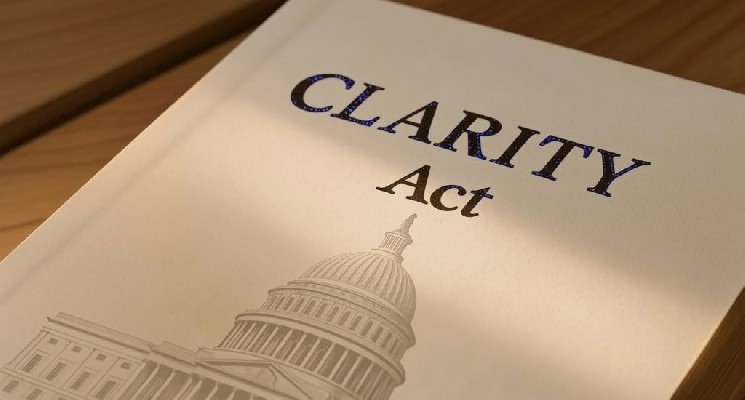
At the heart of this unfolding drama lies the Clinton Administration Levy Attempts Resolution for Investing Transparency in Cryptocurrency—better known as the CLARITY Act—a legislative proposal that has become the fulcrum for these negotiations. Introduced as a bipartisan response to the dizzying pace of crypto’s growth, the act aims to create a transparent framework for stablecoins, mandating disclosures on reserves and operations while preventing manipulation. Negotiations have been protracted, with drafts evolving through cycles of critique and compromise. The banking lobby, representing giants like JPMorgan and Bank of America, has pushed for stringent measures, arguing that allowing yields could blur lines between banking products and crypto assets, potentially inviting systemic risks or unfair competition. On the flip side, crypto advocates—led by exchanges like Coinbase and hopeful startups—have advocated for flexibility, viewing yields as essential for competitiveness in a yield-starved economy. The consensus document, as Terrett hints, embodies a delicate equilibrium: it acknowledges the banking sector’s concerns by emphasizing fiduciary duties, yet carves out space for innovation by permitting regulated returns, perhaps capping them at modest levels like those on savings accounts. This intermediary stance isn’t without precedent; echoes can be found in how the SEC has navigated ETF approvals for Bitcoin futures. Stakeholders involved describe it as a “reasonable middle ground,” but the true test will be in implementation—ensuring that the act fosters rather than stifles growth.
The crux of the debate, though, dives deeper into philosophical and economic divides over what stablecoins truly represent. For regulators, epitomized by the OCC and Treasury officials, the priority is containment: stablecoins must not undermine the dollar’s dominance or enable shadow banking that escapes traditional oversight. Imagine a scenario where millions of dollars pour into high-yield stablecoin accounts, supplanting bank deposits and complicating monetary policy—it’s a nightmare that fuels their demand for austere rules. Traditional banks, eyeing the erosion of their deposit bases by innovative upstarts, echo this sentiment, with lobbyists arguing that any yield-sharing could incentivize risky behaviors, reminiscent of the subprime mortgage era that precipitated the 2008 financial crisis. Yet, for crypto companies, stablecoins are the engine of expansion—a bridge between volatile cryptos and fiat, enabling seamless transactions in a borderless world. Entrepreneurs envision yields as a lure for funding, much like how interest-bearing CDs attract savers. The disagreement isn’t just semantic; it’s about control and equity in the financial ecosystem. Sources close to the talks reveal heated exchanges, with one anonymized banker lamenting, “We’re not against progress, but stability can’t be auctioned off for profits.” Counterpoints from crypto insiders highlight global comparisons: countries like Singapore, with their progressive stances, already see stablecoins as integrated fixtures, yielding benefits without the crises. This tension, while polarizing, may ultimately yield a more robust market—one that balances innovation with prudence.
Looking ahead, the implications of this regulatory leap are profound, rippling out to investors, entrepreneurs, and everyday users alike. If the document lands favorably, we could witness a surge in stablecoin adoption, with platforms rolling out compliant products that offer modest yields, backed by audited reserves. Economists predict this might buoy broader crypto confidence, potentially catalyzing mainstream adoption and integrating digital assets into pension funds or retirement accounts. However, skeptics warn of pitfalls: overregulation could stifle creativity, driving innovation offshore to less stringent jurisdictions like Cayman Islands or Switzerland. The Bitcoin correlation offers a subtle irony—while elation builds around its price, stablecoin stability might be the ballast needed to sustain it. For consumers navigating this space, clarity on yields could democratize access to rewarded savings, especially in a high-inflation environment where traditional options falter. Industry voices, including those from funds like BlackRock, emphasize education as paramount: users must discern that these returns come with nuances, not guarantees. As the dust settles post-publication, expect intensified lobbying and potential court challenges, underscoring the fluid nature of U.S. crypto policy. It’s a reminder that in the relentless march of technology, regulation isn’t a finish line but an ongoing conversation—shaping a future where digital currencies exist not in isolation, but in harmony with established financial norms. Ultimately, this isn’t just about rules; it’s about crafting a legacy for a decentralized era. (Note: This article is for informational purposes only and does not constitute investment advice. Always consult professionals before making financial decisions.)