






Bitcoin Surging Past $80,000: A New Era of Momentum or Market Mirage?
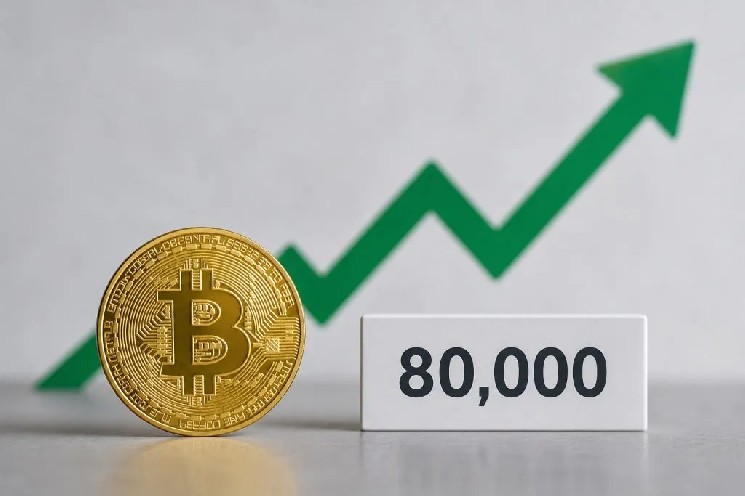
In the ever-turbulent world of digital currencies, Bitcoin has once again captured the spotlight, shattering a crucial psychological barrier late weekend with a decisive push above $80,000. The cryptocurrency, often hailed as the bellwether of the crypto space, climbed approximately 2.6% in the span of 24 hours, reaching a high of $80,150. This upward trajectory wasn’t isolated; the broader market followed suit, creating a ripple effect that underscored the interconnectedness of digital assets. Ethereum, the second-largest cryptocurrency by market capitalization, posted a robust gain of 3.6%, trading at $2,382, while XRP, the token powering the Ripple network, edged up 2% to $1.41. Traders and investors awoke to a market infused with renewed optimism, where speculation mingled with tangible price movements, hinting at a potential bull run in the months ahead. As Bitcoin’s value soared, analysts dissected the charts, pointing to this breakout as more than just numbers— it signaled a shift in market sentiment that could redefine how we perceive digital gold. The weekend surge wasn’t merely a fleeting spike; it echoed broader trends in financial markets, where cryptocurrencies are increasingly seen as hedges against traditional economic pressures.
As market watchers pore over the data, the consensus among experts leans toward a significant technical breakout, one that technicians had long anticipated. Nick Ruck, the Director of LVRG Research, articulated this view succinctly in a recent analysis, noting that piercing the $80,000 threshold heralds a renaissance of upward momentum in the near future. For those not steeped in trading lingo, a “technical breakout” refers to when an asset breaches a key resistance level— a price point where selling pressure historically halts gains— paving the way for accelerated buying. Ruck’s commentary resonates with a generation of investors who have weathered Bitcoin’s notorious volatility, from its 2017 peak to the pandemic lows of 2022. Complementing this, Dominick John from Zeus Research highlighted the fiery “short squeeze” that amplified the move. Shorts, or bets against the asset, flooded the market as prices dipped, but the bullish reversal forced panicked liquidations, turbocharging the rally. Imagine traders, leveraged and exposed, seeing their positions crumble as Bitcoin defied expectations— a classic case of market psychology in action, where fear turns to frenzy. These expert insights paint a picture of a cryptocurrency market that’s not just reacting to news but evolving through internal dynamics, with Bitcoin’s rise potentially setting the stage for similar performances across altcoins.
Yet, beneath the surface of charts and algorithms lies a tapestry of geopolitical tensions, and the markets are anything but immune. This volatility, many speculate, is inextricably tied to unfolding drama between the United States and Iran. President Donald Trump’s announcement of “Project Freedom” has injected a dose of intrigue into the Persian Gulf arena. The initiative aims to liberate commercial ships currently ensnared in the volatile waters of the Strait of Hormuz, where Iranian influence has led to prolonged standoffs. Trump, ever the dealmaker, positions it as a bold humanitarian effort, but Iranian officials have fired back with warnings that any such intervention could shatter the fragile ceasefire, escalating tensions at a time when global trade hangs in the balance. For Bitcoin enthusiasts, this isn’t mere background noise; past events have shown how international crises propel investors toward cryptocurrencies as safe havens. Remember the 2022 sanctions on Russia following the Ukraine invasion, which spurred a mini-boom in digital assets? History suggests that when traditional assets falter amid geopolitical uncertainty, Bitcoin’s decentralized nature becomes a beacon for those seeking autonomy from government-controlled currencies. As US-Iran talks loom, with potential for escalation or de-escalation, market watchers are bracing for how these diplomatic chess moves might sway crypto flows.
Institutional money, long a skeptic in the crypto wild west, is flowing in with surprising steadiness, adding credence to Bitcoin’s newfound stature. Recent data reveals that spot Bitcoin exchange-traded funds (ETFs) in the United States have seen net inflows for an impressive fifth consecutive week, pulling in $153.8 million alone in the most recent tally. These ETFs, which debuted with much fanfare in early 2024, allow traditional investors to dip their toes into Bitcoin exposure without the headaches of direct ownership— think simplified trading, regulatory oversight, and tax efficiencies. Experts argue that this influx isn’t just numbers on a spreadsheet; it’s a vote of confidence from Wall Street heavyweights, from pension funds to hedge managers, who view Bitcoin as a viable component of diversified portfolios. Anecdotes from industry insiders reveal how once-hesitant CEOs of major banks now tout cryptos potential role in inflation hedging or even as an alternative to gold. As these funds accumulate assets, they could exert stabilizing forces on volatility, transforming Bitcoin from a fringe asset into a cornerstone of modern finance. This trend underscores a maturation in the market, where accessibility meets credibility, potentially luring even more capital from conservative quarters.
Looking ahead, analysts are eyeing pivotal catalysts that could steer the market’s rudder— and not all of them are bullish. Key among these are upcoming US labor market reports, which often move the needle on Federal Reserve policies, influencing interest rates and, by extension, the attractiveness of riskier assets like cryptocurrencies. Strong employment data might embolden the Fed to maintain high rates, tamping down on speculative fervor, while weakness could unleash buying sprees as investors seek higher returns. Simultaneously, developments from the US-Iran negotiations promise to inject unpredictability; a diplomatic breakthrough could alleviate global risk premiums, boosting equities and cryptos alike, whereas escalation might drive safe-haven flows back toward Bitcoin. Market veterans, drawing from past cycles, caution that while the current run is exhilarating, it’s fraught with echoes of 2017’s euphoria— a reminder that regulatory shifts, like those from the Securities and Exchange Commission (SEC), could swiftly pivot the landscape. In this fluid environment, traders are advised to monitor not just price charts but also macroeconomic indicators, geopolitical scorecards, and institutional sentiment for a holistic view. The coming weeks could define whether Bitcoin’s surge is the dawn of dominance or a temporary flash in the digital pan.
In wrapping up this exploration of Bitcoin’s remarkable ascent, it’s evident that the cryptocurrency ecosystem is at a crossroads, blending technological innovation, geopolitical intrigue, and shifting investor landscapes. From the psychological weight of breaching $80,000 to the real-world implications of international tensions and institutional endorsements, the story of this weekend’s rally is one of momentum meeting meaning. As the market digests these developments, one thing remains clear: cryptocurrency is no longer the preserve of niche enthusiasts but a force shaping broader financial conversations. Whether this propels Bitcoin toward new heights or introduces sharper volatility remains to be seen, but the narrative is unfolding with undeniable intrigue. Of course, it’s worth reiterating that this overview is for informational purposes only and does not constitute investment advice; always consult professionals before diving into the world of crypto. This is not investment advice.