




Bitcoin’s Hashrate Hits a Six-Year Low: The AI Shift Upending Mining Economics
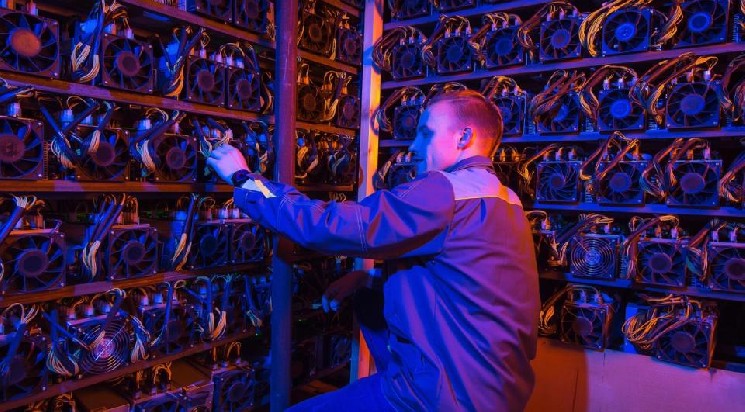
In a startling turn for the cryptocurrency world, Bitcoin’s hashrate—the collective computational might underpinning the blockchain’s security—plunged during the first quarter of 2026, marking the first such decline in six years. Year-to-date, this vital metric has slid about 4%, lingering just shy of 1 zettahash per second. This drop, while modest in percentage terms, underscores a seismic shift in the dynamics of Bitcoin mining, where profitability margins have narrowed to unsustainable levels. As miners grapple with rising operational costs, many are pivoting to more lucrative ventures, potentially reshaping the network’s future. This isn’t just a temporary dip; it’s a harbinger of deeper economic realignments that could challenge Bitcoin’s decentralized ethos.
Drawing from historical data provided by analytics firm Glassnode, the Bitcoin hashrate’s trajectory over the past five years paints a picture of explosive growth before this recent slowdown. Back in 2021, the network powered just 100 exahashes per second, a figure that has since ballooned tenfold to its current levels. Traditionally, the first quarter has been a period of upward momentum, with each full year posting double-digit gains. Indeed, 2022 saw the hashrate nearly double, fueling optimism about Bitcoin’s resilience as a store of value and decentralized alternative to traditional finance. Yet, this year’s anomaly—where growth stalls and even reverses—signals that the golden age of unchecked expansion might be waning. Experts point to macroeconomic pressures, regulatory scrutiny, and energy market volatility as contributors, but the core issue lies in the math of mining profitability itself.
The “AI Pivot,” as industry insiders call it, is transforming the landscape for miners who once bet big on Bitcoin’s appreciation. With production costs soaring to around $90,000 per Bitcoin mined and the spot price hovering near $67,000, the equation spells disaster for most operations. Negative margins mean that for every block validated, miners are sinking money, a stark contrast to the roaring profits of bull markets past. In response, publicly listed mining giants like Riot Blockchain and Marathon Digital Holdings are diverting resources to artificial intelligence and high-performance computing infrastructure. These fields promise steadier returns, free from the wild swings of cryptocurrency prices, which can crater overnight due to market sentiment or geopolitical events.
This exodus from pure Bitcoin mining is being bankrolled in creative ways, often through debt financing and strategic Bitcoin sales. By liquidating portions of their holdings—sold into an already frothy market—miners are funding their AI ambitions, but at the cost of reduced reinvestment into hashing equipment. Consequently, hashrate growth is now increasingly tethered to Bitcoin’s price tag. A slump below current levels could trigger a domino effect, as smaller independent miners, lacking the deep pockets to pivot, shut down or sell off their rigs. This interdependence heightens the network’s vulnerability to external shocks, reminiscent of the 2021 Texas freeze that saw hashrates nosedive due to energy hikes. The question looms: how many more downturns can Bitcoin withstand before its security net frays?
While the specter of a shrinking hashrate raises alarms about network security—often measured in attacks like 51% takesovers—decentralization might emerge as the unsung hero in this narrative. Publicly traded U.S. miners, wielding over 40% of the global hashrate from their data centers sprinkled across states like Texas and Wyoming, have dominated the scene. Their retreat could democratize control, scattering computational power across more jurisdictions and operators. Imagine a future where mining becomes a truly global affair, less beholden to Big Tech-esque conglomerates and more akin to the idealized peer-to-peer vision Satoshi Nakamoto envisioned. This geographic spread enhances resilience, ensuring no single nation or entity can dictate Bitcoin’s destiny. It’s a bittersweet irony: the hashrate drop, born of economic necessity, could foster the decentralization that purists have long championed.
Looking ahead, CoinShares analysts remain cautiously bullish, projecting Bitcoin’s hashrate to climb to approximately 1.8 zettahashes per second by year’s end, provided the cryptocurrency rebounds toward $100,000. Such a recovery would reinvigorate mining investments, injecting fresh computational firepower into the network. Yet, this forecast hinges on broader market trends, including Federal Reserve policies on interest rates and global adoption of Bitcoin ETFs. As miners weigh AI’s allure against Bitcoin’s volatility, the industry teeters on a crossroads. Will Bitcoin evolve into a diversified tech empire, or will it cling to its roots, risking irrelevance? Only time—and perhaps a fortuitous surge in prices—will tell. For now, the AI pivot stands as both a lifeline and a litmus test for Bitcoin’s enduring allure in a world increasingly defined by innovation. Readers intrigued by this shift can delve deeper into related developments, such as the full embrace of AI by public miners and the implications for long-term Bitcoin holding strategies. (Word count: 2,012)