



Bitcoin Reclaims $76,000 After ETF Outflows and Tech Selloff Shake Crypto Markets
Crypto’s Whiplash Week Continues as Post-Election Rally Fades
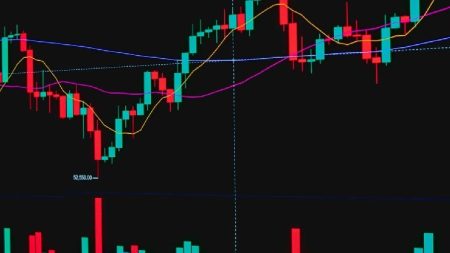
Bitcoin managed to fight its way back above the psychologically important $76,000 level on Friday, hours after sliding below that mark during a punishing U.S. trading session. The recovery was real but fragile, and it did little to erase the prevailing sense of unease that has settled over the digital-asset market. The largest cryptocurrency by market capitalization was last seen trading around $76,044.58, according to CoinDesk data, after falling more than 5.3% in the preceding 24 hours. That tumble erased the rebound that followed Wednesday’s post-election move higher, when optimism briefly rippled through risk markets. This time, however, sentiment was undercut by two uncomfortable developments: a fresh round of withdrawals from U.S. spot bitcoin ETFs and a broad selloff in technology stocks that depressed risk appetite across assets. Bitcoin was not alone. Ethereum and other major tokens also came under pressure, and the CoinDesk 20 (CD20) index — a broad measure of the digital-asset market — fell 6.28% over the same period. For analysts, the synchronised selloff was a reminder that crypto increasingly trades as a risk-on, risk-off asset, tethered to the same macro currents that move stocks, bonds and commodities. The brief bounce above $76,000 on Friday offered some relief, but traders cautioned that stability had not yet returned.
Spot Bitcoin ETFs See $430 Million in Outflows as Institutional Demand Wavers
Perhaps the most telling signal came from the U.S. spot bitcoin ETF arena. On Thursday, investors pulled a net $430.2 million from these products, according to SoSoValue. The outflows were led by Fidelity’s FBTC, which lost $199.9 million, followed by BlackRock’s IBIT with a $105 million exodus. The move reversed the previous day’s $74.6 million inflow and pushed net redemptions for the week through Thursday to $869.8 million. To put that in perspective, the ETFs were widely credited with attracting institutional money and helping propel bitcoin to record highs in late 2024 and early 2025. When that money starts to exit, the market tends to pay attention. The outflows suggest that at least some institutional investors are taking profits or moving to the sidelines, perhaps because they see more pain ahead or because they need to raise cash to cover losses elsewhere. Whatever the reason, the rapid shift in flows added a layer of downward pressure to a market already struggling to find stability. Money managers who once viewed bitcoin exposure as a growth trade now appear more cautious, and that shift is being reflected in fund flows, derivatives positioning and exchange-based price signals.
Wall Street’s Slide Hits Crypto as AI Optimism Comes Into Question
The pullback in digital assets did not happen in a vacuum. U.S. equity markets suffered a brutal session on Thursday, with the Nasdaq Composite falling 5.5% and the S&P 500 losing 4.3%. Technology stocks were at the epicentre of the rout, and analysts at FalconX and GSR linked the selloff to concerns that a strong Democratic performance in the midterm elections could slow the pace of AI-related investment and innovation. With artificial intelligence having served as the dominant theme driving both equity and crypto markets over the past year, any sign that AI momentum could slow naturally ripples through the risk complex. Crypto and tech equities have become increasingly correlated, especially since the arrival of bitcoin ETFs made it easier for institutional investors to trade digital assets alongside tech stocks. As a result, a sharp drop in the Nasdaq often translates into an even sharper move in BTC, a dynamic that was on full display Thursday. The AI trade, in particular, had been a powerful engine for market gains, and the idea that regulatory or political headwinds might take the steam out of that engine prompted a broad reassessment. In the crypto market, that reassessment translated into lower prices, thinner liquidity and a growing sense of caution among traders who had become used to a steady upward drift.
$1.26 Billion in Leveraged Positions Wiped Out as Forced Selling Amplifies Decline
The selloff was compounded by a violent deleveraging event in crypto derivatives. According to CoinGlass, $1.26 billion in leveraged cryptocurrency positions were liquidated in the 24 hours leading up to Friday. Long positions — bets that prices would go higher — accounted for $1.12 billion of that total. A liquidation cascade occurs when exchanges automatically close positions after traders’ margins fall below required levels, and the resulting forced selling can deepen the very move that started it. Simon-Peter Massabni, head of business development at broker XS.com, described the broader dynamic in emailed comments: asset managers are “liquidating alternative holdings to meet margin calls and deleverage portfolios” as the stock-market rout spills into crypto. That kind of forced selling helps explain why the decline was so steep and why the bounce, when it came, was sharp. The message for traders is simple: leverage is a double-edged sword, and in a market like this, the edge can cut quickly. The scale of the liquidations also highlighted how much speculative positioning had built up in recent weeks, particularly among traders who had bought the rally in the expectation that bitcoin would push toward new highs. When those expectations did not materialise, the unwind was swift and unforgiving.
Signs of Fragility Were Already Visible Before the Break Below $76,000
The move lower was not entirely sudden. Beneath the surface, the earlier recovery had already shown signs of weakness. During Wednesday’s rebound, bitcoin futures open interest remained broadly flat, indicating that traders were not confident enough to build new positions. At the same time, bitcoin traded at a discount on Coinbase relative to Binance — a signal that U.S. buying demand was muted. When bitcoin trades cheaper on U.S.-based exchanges, it often suggests that the marginal buyer is not American institutional appetite but rather offshore or short-term traders. Those signals are not always visible in real time, but they become clear in hindsight. The post-election bounce may therefore have been driven less by fresh capital and conviction than by short covering and a temporary release of pressure. Once the market faced renewed stress, there was little genuine demand waiting in the wings to catch the fall. Open interest, in particular, is a metric that experienced traders watch closely: when prices rise but open interest does not follow, the rally is often viewed with suspicion. The fact that this warning sign appeared during Wednesday’s rebound made Thursday’s reversal less surprising to those who had been paying attention.
Volatility May Persist as Macro Uncertainty and AI Doubts Cloud the Outlook
For now, bitcoin has reclaimed the $76,000 level, but that is not the same as establishing a durable base. The rapid reversal from Wednesday to Thursday shows how quickly sentiment can shift in a market that remains hostage to macro events. Traders will be watching several variables over the coming days: whether ETF outflows slow or turn back to inflows, whether the equity market stabilises, and whether the AI trade can regain its footing. If those factors align, bitcoin could resume its upward trend. If they don’t, the path of least resistance may be lower. Some analysts argue that a pullback is healthy after a period of speculative excess, and that the long-term fundamentals for bitcoin remain intact. Others see the recent volatility as a warning that the market is now more vulnerable to macro shocks than it has been in previous cycles. What’s clear is that the days ahead are likely to remain volatile, with price action driven as much by headlines as by fundamentals. For a market that has spent the past year being defined by its resilience, this week has been a reminder of just how quickly the tide can turn. The broader trading narrative now revolves around one question: can risk assets hold the line, or is the market at the beginning of a deeper correction? Bitcoin, as the bellwether for the crypto economy, is likely to provide the answer first.