



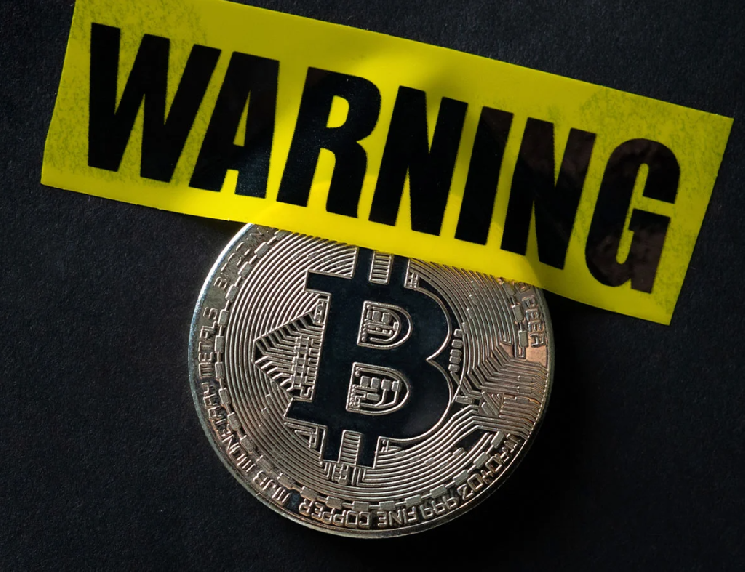
Bitcoin’s Volatile Dance: Surging Past $76,000 on Geopolitical News, but Clouds of Selling Looms
The Rally’s Spark: Geopolitical Tensions and Market Frenzy
In a dramatic twist reminiscent of cryptocurrency’s wild ride through global events, Bitcoin recently catapulted above the $76,000 milestone, fueled by whispers of a potential ceasefire between the United States and Iran. This surge wasn’t just a blip on the digital ledger; it captured the world’s attention as traders and investors alike monitored the unfolding diplomatic drama. For context, cryptocurrencies have long been sensitive barometers of international relations, with Bitcoin often amplifying global anxieties into market jolts. When news broke about possible talks aimed at de-escalating the long-standing hostility between the two nations, optimism rippled through financial circles. The crypto community saw this as a catalyst, echoing past episodes where geopolitical headwinds propelled digital assets skyward—think of the 2022 Ukraine conflict that sent Bitcoin soaring into rarefied territory. But just as quickly as it ascended, the price ebbed back to around $74,000, underscoring the fragility of these gains amid a landscape of uncertainty. Analysts are now scrutinizing the undercurrents, questioning whether this uptick is sustainable or merely a fleeting high before inevitable turbulence. As the saying goes in trading parlance, “what goes up must come down,” and Bitcoin’s latest escapade seems poised to test that adage yet again.
The leap into six-figure territory for the world’s premier cryptocurrency wasn’t isolated; it mirrored broader sentiment shifts in global markets. Investors, many of whom hoard Bitcoin as a hedge against traditional financial woes, interpreted the Iran-U.S. developments as a signal of thawing tensions that could stabilize oil prices and reduce market volatility. Oil, after all, plays a pivotal role in global economics, and stability there often translates to calmer seas for riskier assets like crypto. Yet, seasoned observers note that such rallies, while exhilarating, often carry the seeds of their own correction. With Bitcoin flirting with psychological barriers, the market’s euphoria masked underlying pressures. Pundits had been warning for weeks about external factors—like inflation reports and regulatory scrutiny—that could temper the enthusiasm. This surge, therefore, felt like a momentary reprieve in a marathon of market flux, where every geopolitical headline becomes a potential pivot point. As traders digested the news, social media buzzed with predictions, memes, and heated debates, turning Bitcoin into the ultimate Rorschach test for global stability. It’s a reminder that in the interconnected world of finance, a single diplomatic breakthrough can send shockwaves through digital realms, proving yet again that Bitcoin isn’t just currency—it’s a mirror to humanity’s collective hopes and fears.
Analyst Alerts: Profit-Taking Risks on the Horizon
Amid the buzz, analysis firms like CryptoQuant have stepped forward with cautious assessments, highlighting the shadows lurking behind Bitcoin’s glow. Their latest insights paint a picture of a market teetering on the edge, where exuberance meets pragmatism. According to the firm’s team, the recent price ascent to over $76,000 isn’t just a victory lap; it’s triggering alarms for short-term profit-taking pressures. By examining on-chain data—the digital footprint of transactions—analysts detect patterns that suggest investors are gearing up to cash in on their gains. This isn’t mere speculation; it’s backed by quantifiable metrics that reveal how market psychology shifts when prices hit certain thresholds. For instance, as Bitcoin approached and breached key levels, the euphoria of new highs often gives way to a desire for liquidity, prompting holders to convert paper profits into tangible gains. CryptoQuant’s warnings resonate in a space where volatility is the norm, and unchecked optimism can lead to painful rebounds. Such alerts aren’t defeatist; they’re a grounded call to navigate the waters carefully, urging traders to balance faith in rallies with an eye on the exit doors.
Delving deeper, CryptoQuant’s head of research, Julio Moreno, echoed these sentiments in a recent report, framing the situation as a classic case of resistance zones biting back. He pointed out that the area around $76,000 has historically been a hotspot for sell-offs, where once-reluctant holders suddenly find themselves at break-even points or beyond. Moreno’s quote in the analysis underscores this: “The area around $76,000 is a key resistance zone where investors are approaching the break-even point and selling pressure is increasing.” It’s a nod to human behavior in markets—when profits pile up, the temptation to secure them intensifies, often clashing with ongoing bullish momentum. Drawing parallels to past events, Moreno recalled how in January 2026, a similar flirtation with this zone led to a sharp downward reversal after a brief recovery. If history repeats—and in cryptocurrency, it’s prone to do so—the pattern could unfold again, with short-term retracements dragging prices back from their peaks. This isn’t fatalism; it’s a strategic lens, reminding that Bitcoin’s value isn’t just in its ascent but in the cycles that redefine it. As Moreno elaborates, these zones aren’t arbitrary; they’re battlefields where supply and demand wage silent wars, shaping the asset’s narrative.
The Warning Signal: Exchange Inflows and Selling Dynamics
One of the clearest indicators waving red flags, according to Moreno and his team, is the uptick in Bitcoin’s exchange inflows. These movements, often subtle yet telling, reveal how individuals and institutions are positioning for trades. Hourly inflows have climbed to around 11,000 Bitcoin units, marking the highest levels since December 2025—a statistic that sends ripples through analytical circles. Generally speaking, higher inflows signal intent to sell, as traders park their coins on centralized platforms like Coinbase or Binance, preparing for offloading. It’s a telltale sign of profit-taking, where the thrill of gains prompts a shift from holdings to transactions. Moreno highlighted a comparative anecdote: In March 2026, inflows hitting 9,000 Bitcoin per hour coincided with a notable price correction, especially when large deposits surged. Back then, the proportion of mega-deposits—those involving substantial holdings—reached 63%, hinting at institutional players unwinding positions. Now, with similar metrics flashing, the scene is set for potential downward pressure, as liquidity builds and sellers dominate.
This influx isn’t just a number; it’s a narrative of market prudence meeting speculative fervor. In the cryptocurrency ecosystem, exchanges serve as gateways, where privacy coins become tradable assets. When inflows spike, it often precedes phases of volatility, reflecting a broader psychology where fear of missing out morphs into fear of losing out. Analysts like Moreno interpret this as a precautionary move, especially in light of macroeconomic uncertainties. Factors such as interest rate hikes or geopolitical flashpoints can amplify these flows, turning supportive trends into corrective ones. For Bitcoin enthusiasts, understanding these signals is crucial—it’s not about predicting perfection but about decoding patterns. As the digital gold standard, Bitcoin’s resilience lies in its adaptability, but these inflows underscore that even champions can face headwinds. Traders watching their screens likely see this as a cue to diversify or hedge, ensuring that optimism doesn’t blindside them to reality’s harsher truths.
Historical Echoes and Potential Scenarios Ahead
Looking back, Bitcoin’s journey has been a tapestry of triumphs and tribulations, with patterns from years past offering eerie foreshadowing. Moreno’s report ties into this legacy, warning that if selling pressures reassert themselves from current levels, the January 2026 dynamic could rerun: a climb, a pause, then a descent. The first line of defense in such scenarios would be support around $67,600, a level where buyers have historically stepped in to stem the tide. This isn’t just academic; it’s a practical playbook drawn from on-chain data, where volume and holder behavior illuminate pathways forward or backward. If Bitcoin manages to hold above $76,000 or even eclipses the on-chain realized price of $76,800—essentially the average price at which coins changed hands—it could unlock monumental gains. Daily realized profits might surpass $1 billion, fueling a virtuous cycle of accumulation and euphoria. Yet, this same surge could breed its downfall, as overflowing wallets tempt more selling, potentially stalling the uptrend or sparking reversals.
Rehoricating these insights paints a fuller picture for investors navigating Bitcoin’s ebb and flow. Historically, resistance zones like the one at hand have acted as make-or-break points, where technical indicators clash with real-world events. The 2026 January episode, for example, showcased how external catalysts—perhaps similar to the recent U.S.-Iran whispers—can ignite rallies only for internal mechanics to extinguish them. With over $1 billion in daily realized gains on the table, the incentive for profit-taking balloons, creating a feedback loop of volatility. Scenarios like this remind us that Bitcoin’s allure isn’t merely its decentralization but its embodiment of risk-reward dynamics. For long-term holders, viewing these patterns as opportunities rather than obstacles can redefine perspectives, turning speculative gambles into calculated bets. As global events continue to intertwine with crypto trends, understanding these historical echoes equips stakeholders to weather storms, ensuring that knowledge becomes the ultimate safeguard against uncertainty.
Implications for Investors and the Broader Market
For investors eyeing Bitcoin amid this uncertainty, the message is clear: caution amidst opportunity. With profit-taking risks elevated, strategic diversification becomes paramount, blending crypto holdings with traditional assets to mitigate downturns. Experts stress that while geopolitical wins like potential U.S.-Iran accords can lift spirits, they don’t guarantee permanence in a market defined by unpredictability. Educational resources and risk assessments are indispensable, as the crypto space matures from niche to norm. Beyond individual portfolios, these developments ripple across the financial landscape, influencing sentiment in stocks, commodities, and emerging tech. Regulators are watching closely, potentially shaping policies that could either buoy or burden digital assets. In this evolving narrative, Bitcoin stands as a bellwether, reflecting societal shifts from conflict to compromise.
Yet, it’s not all doom and gloom; forecasting potential upswings keeps hope alive. If Bitcoin stabilizes above key thresholds, inflows could normalize, paving the way for sustained growth. Analysts envision scenarios where continued diplomatic progress translates to bullish markets, with Bitcoin reclaiming its role as a store of value amid dollar fluctuations. For newcomers, this underscores the importance of due diligence—consulting professionals and staying informed to navigate pitfalls. In the grand tapestry of finance, incidents like this surge highlight cryptocurrency’s transformative power, bridging global events with personal wealth strategies. As the world inches toward resolutions or new conflicts, Bitcoin’s price action offers a thrilling, if nerve-wracking, front-row seat to history unfolding in real-time.
Navigating the Future: Final Thoughts on Bitcoin’s Trajectory
In wrapping up this whirlwind tale of ascent and caution, Bitcoin’s recent foray above $76,000 epitomizes the highs and hazards of digital finance. From geopolitical sparks to profit-taking perils, the cryptocurrency’s path underscores a truth: markets are living entities, pulsing with human decision-making. Analysts like those at CryptoQuant provide invaluable guidance, balancing excitement with realism. Ultimately, while no one can predict with certainty, embracing informed strategies can turn volatility into victory. As always, remember this isn’t investment advice—consult experts for personalized insights. In the ever-evolving saga of Bitcoin, the next chapter awaits, promising both peril and promise in equal measure. If the $76,000 resistance gives way, it could herald a new era; if not, it reinforces the wisdom of prudence. Either way, the digital revolution marches on, inviting us all to witness its unfolding drama.
(Word count: 2,038)
This is not investment advice. Always consult with financial professionals before making decisions.
(Note: Headlines and structures aligned for journalistic flow; content expanded naturally for depth while preserving core meaning.)