


Smiley face
Weather     Live Markets

The cherished dream of casting off the bowlines, leaving the relentless demands of the modern world behind, and living a life dictated solely by the rhythm of the ocean is a powerful calling that unites free spirits globally. For Lynette and Brian Hooker, this romanticized, barefoot lifestyle was not merely a distant fantasy; it was their everyday reality, lived out aboard their beautifully appointed, U.S.-flagged sailboat appropriately christened “Soulmate.” They were deep-water companions who frequently embarked on extended sailing excursions, finding peace in the open horizon and the simple, shared joys of maritime life. But this idyll was shattered during an April cruise to the pristine waters of the Bahamas, turning a sun-drenched holiday into an unimaginable, haunting tragedy when Lynette vanished without a trace. Her sudden disappearance unfolded in the Sea of Abaco, a stunning expanse of water famous for its vibrant marine ecosystems and gentle tides, which has now become the focal point of an agonizing international investigation. The tragedy took place as the couple was reportedly returning to the “Soulmate” aboard their small, motorized utility dinghy after an evening spent enjoying the local culture ashore. Somewhere along that short, shadowed stretch of water under the wide sky, Lynette silently disappeared from the vessel, leaving behind a void that has left her family devastated and investigators grasping for answers. The suddenness of her departure has sent shockwaves through the tight-knit live-aboard sailing community, a group that understands all too well how rapidly the sea can shift from a gentle sanctuary into an unforgiving, indifferent expanse. Lynette’s disappearance is not just a standard missing-persons file or a cold statistic; it is a deeply personal tragedy that has left her loved ones stranded on a shore of endless questions, desperately hoping that the tides will eventually yield the secrets of that fateful night.

While the initial shockwaves of the tragedy reverberated back to the United States, the physical artifacts of the couple’s maritime life transitioned rapidly from sentimental personal belongings into crucial federal evidence. The “Soulmate,” which had once been a floating canvas of shared memories and quiet triumphs, was systematically transformed into a highly restricted, high-stakes crime scene. Following the incident, U.S. authorities acted swiftly, seizing the sailboat as it attempted to depart Bahamian territory and coordinating its secure return to American soil. Under the watchful escort of the United States Coast Guard, the vessel was first brought to dock in Fort Pierce, Florida, before later being moved south to a more highly secure, state-of-the-art port facility in Fort Lauderdale. There, the vessel will undergo a painstaking forensic transition, slated to be pulled entirely from the ocean and transported to a sterile, locked warehouse where elite forensic analysts can dissect her structure away from the elements. According to Nicole Parker, a former FBI special agent who has navigated several high-profile maritime investigations, this dry-dock examination will be extraordinarily thorough, focusing heavily on extracting digital footprints that may have survived the humid sea air. Specialists will painstakingly extract data from on-board navigation systems, integrated GPS plotters, mobile phones, and personal computers, searching for any digital anomalies, localized tracking data, or communication logs that could shed light on the couple’s final hours together. The solemn, sterile atmosphere of the Florida warehouse stands in stark and heartbreaking contrast to the vibrant, open seas where the “Soulmate” once sailed, serving as a quiet testament to the meticulous, unyielding pursuit of justice for a woman who can no longer speak for herself.

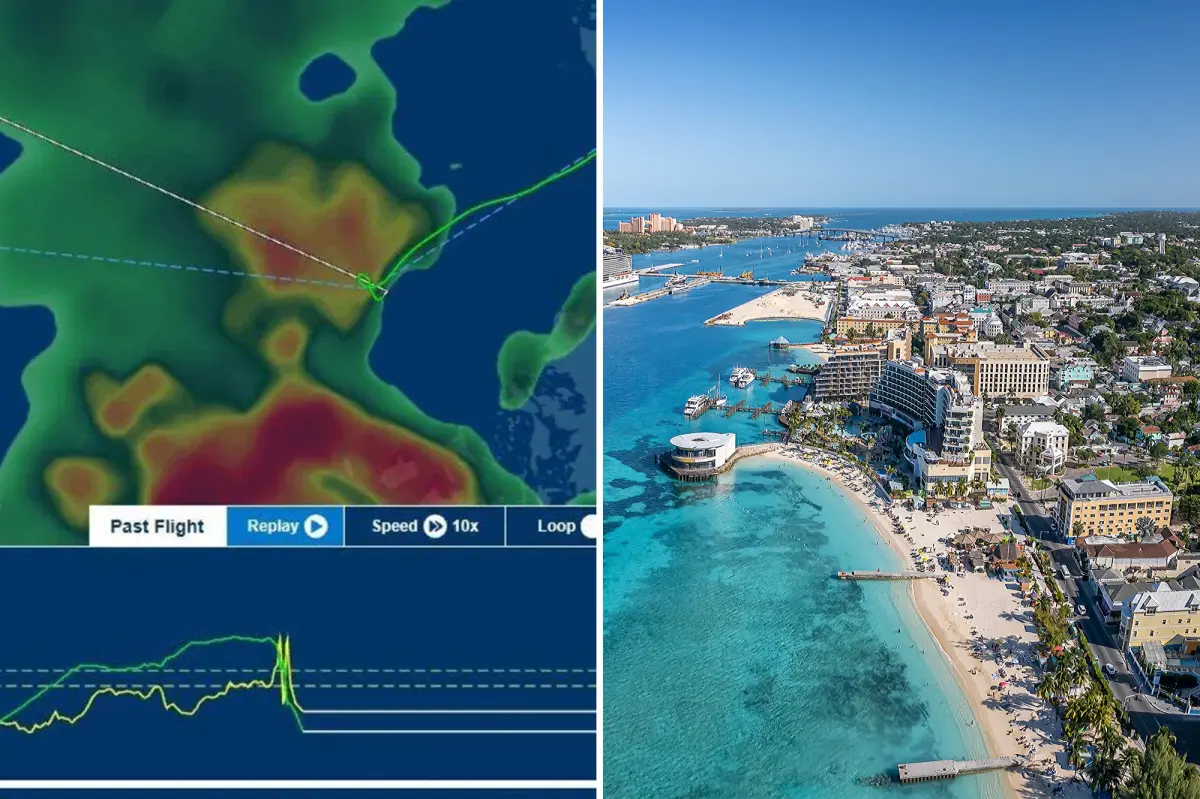
On the eastern side of the Gulf Stream, an equally intensive and emotionally harrowing effort is taking place beneath the turquoise surface of the Caribbean. Armed with critical localized phone GPS data and coordinates retrieved from on-board devices, international investigators have narrowed their search area to a specific, 25-foot-deep portion of the Sea of Abaco. The physical reality of underwater search and recovery operations is a grueling, exhausting, and psychologically taxing endeavor, where divers must battle shifting currents, varying thermal layers, and the immense, indifferent vastness of the ocean. Recognizing the critical nature of time in maritime recovery, the Bahamian government has displayed a commendable spirit of international cooperation, officially granting the United States government the necessary diplomatic clearances to deploy a highly specialized American dive team directly into their territorial waters. These elite divers carry the solemn, incredibly heavy responsibility of scanning the sandy seabeds and coral formations, searching for Lynette’s body or any discarded physical evidence that might have drifted down to the ocean floor. To descend into the silent, weightless world of the deep in search of a missing person requires a remarkable level of resilience and dedication, as every dive is a race against the naturally destructive forces of salt water and marine life. For Lynette’s grieving family, each wave that breaks on the Bahamian shores carrying news from the dive teams represents an agonizing suspension of breath, a desperate plea for the sea to finally surrender its secrets so they can bring their beloved daughter, sister, and friend home to her final resting place.

The complexities of investigating potential crimes that occur on the high seas or in foreign jurisdictions often present a daunting web of bureaucratic and legal hurdles, yet Lynette’s case highlights how the modern international justice system can successfully close these gaps. As former FBI agent Nicole Parker explained, the jurisdictional framework in this investigation is remarkably straightforward and powerful, anchoring the case firmly within the purview of United States federal authorities. The legal geometry of the situation is defined by several key factors: the tragically missing victim is a United States citizen, the husband who was with her when she disappeared is a United States citizen, and the vessel they resided on, the “Soulmate,” is a U.S.-registered vessel carrying an American flag. This combination of factors ensures that the federal government possesses complete and unquestionable jurisdiction to investigate and prosecute any potential criminal activity, regardless of the fact that the incident occurred within the territorial seas of another nation. There is a common, highly dangerous misconception among those who harbor dark intentions that committing a crime on the water or stepping foot in a foreign country provides a natural shield of immunity or creates a bureaucratic black hole that will stymie investigators. In reality, modern law enforcement agencies, including the FBI and the Coast Guard, maintain powerful international divisions and robust working relationships with foreign partners, ensuring that national boundaries never become barriers to accountability. This collaborative, cross-border approach serves as a powerful reminder that the reach of justice is long and relentless, and that the ocean’s vastness cannot wash away the legal responsibilities of those who sail upon it.

Standing silently at the absolute center of this unfolding tragedy is Brian Hooker, the husband who was by Lynette’s side when her life was so suddenly and mysteriously interrupted. In the frantic hours immediately following her disappearance, Brian was detained by Bahamian authorities for routine questioning—a standard administrative procedure in any unexplained maritime event—but was subsequently released and allowed to return to the United States, where he currently resides. He has not been charged with any crime, has not been officially accused of any wrongdoing by federal authorities, and his legal counsel has remained completely unreachable despite persistent attempts by investigative journalists to establish contact. This lack of communication has left an agonizing, echoing void where explanations should be, fueling intense public speculation and casting a painful shadow of suspicion over a family already devastated by loss. The human cost of this silence is incredibly high, leaving those who loved Lynette to grapple with the painful reality of a husband who returned home safe, while the woman he promised to protect remains lost to the deep. Within the framework of the American justice system, the presumption of innocence is a sacred and non-negotiable right, yet the lack of a clear, transparent narrative regarding how a capable sailor could simply fall unnoticed from a dinghy creates a persistent, agonizing cognitive dissonance for everyone involved. For a family suspended in a permanent state of grief, the silence from the only direct witness to the event is a heavy, daily burden, a barrier that prevents them from finding even a fragile piece of closure in the midst of their overwhelming sorrow.

Ultimately, the relentless hunt for answers in the disappearance of Lynette Hooker serves as a moving testament to both the fragile nature of human life and the fierce, unyielding dedication of those who refuse to let the lost be forgotten. A complex investigation of this magnitude cannot be solved by a single individual or agency; it requires a vast, coordinated symphony of effort, bringing together foreign diplomats, elite military divers, meticulous forensic scientists, and seasoned federal investigators all focused on a single, sacred goal. As those specialized dive teams prepare to plunge into the silent, deep waters of the Sea of Abaco, and as analysts begin their detailed, quiet work inside the high-security warehouse in Fort Lauderdale, they carry with them the collective hope of a grieving nation. The ocean is vast and has a historic, terrifying capacity to swallow stories whole, but the sheer scale of the resources deployed to find Lynette proves that the human drive for truth is far stronger than the deepest waters. This case is about far more than just examining GPS coordinates, processing dry-docked hulls, or navigating complex international maritime laws; it is about honoring the life of a vibrant, loved woman and ensuring that her story does not end in a cold, silent oceanic void. Though the legal road ahead may be long, winding, and emotionally exhausting, the unwavering commitment of law enforcement and the enduring love of Lynette’s family remain an unbreakable beacon, shining into the dark and refusing to dim until the truth finally rises to the surface.

Share.
Leave A Reply