


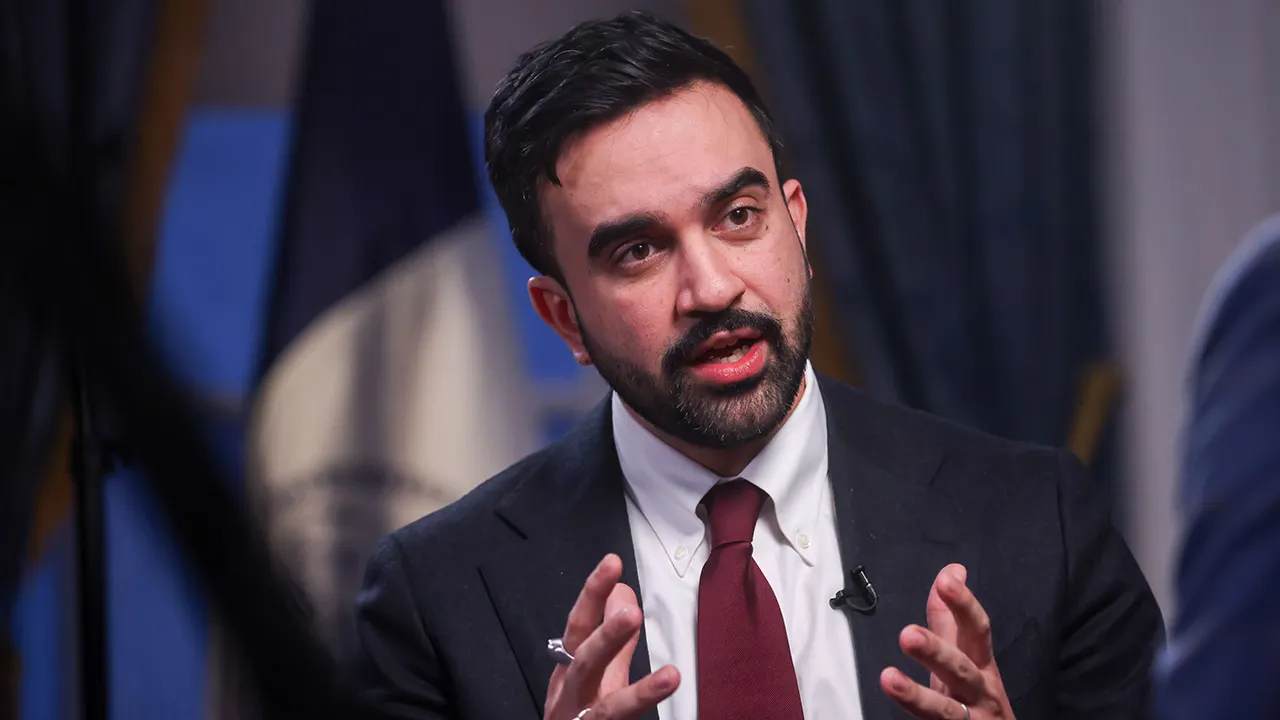
In a significant legal and political victory for New York City’s new progressive leadership, Mayor Zohran Mamdani saw a major piece of his fiscal agenda cleared to move forward this Wednesday. A state appellate court in Brooklyn officially reversed a previous lower-court decision that had temporarily stalled and threatened to dismantle the city’s controversial tax on high-end second homes, a policy often dubbed the “pied-à-terre tax.” For supporters, this feels like more than just a procedural win; it is a triumphant judicial affirmation that the city has the right to challenge the deeply entrenched economic disparities that define modern New York. The legal battle began earlier this fall when a Staten Island judge ruled that the city had bungled the procedural rollout of the tax proposal, ordering city officials to scrap their plans and start the entire legislative process from scratch. That lower-court ruling was seen by many as a classic example of judicial overreach derailing a democratically elected administration’s policy. The appellate court, however, saw things differently. By reversing that decision, they have effectively given the Mamdani administration the green light to continue implementing the tax immediately, without the need to halt collections and redo the exhausting hours of public hearings and council negotiations. For the mayor, who campaigned on a promise to make the ultra-wealthy pay their fair share to repair the city’s battered infrastructure and social services, this ruling is a breath of fresh air and a concrete validation that his aggressive, progressive strategy can survive the legal scrutiny that comes with challenging entrenched wealth.
To truly understand the human and political weight of this victory, one must first grasp what is directly at stake regarding the real estate market and the daily lives of ordinary New Yorkers. The pied-à-terre tax targets luxury residential units—primarily in glitzy Manhattan neighborhoods—that are purchased as second or third residences by individuals who live primarily elsewhere. These are the apartments that sit vacant for most of the year, dark windows that many working-class New Yorkers look at from their cramped, overpriced rental kitchens. The tax aims to impose a sliding-scale fee on properties valued in the millions, potentially bringing in an estimated several hundred million dollars annually to the city’s coffers. The administration’s argument is simple and resonant: if you are wealthy enough to own a $10 million apartment that you only visit a few weeks out of the year, you can afford to pay a premium to support the city that your property occupies and relies upon for its value. The money extracted from these taxes would fund desperately needed programs—from expanded mental health services in subway stations to affordable housing initiatives and public school repairs. For Mamdani, who has framed his entire mayoralty around delivering drastic, tangible relief to the working class and struggling middle class, this revenue is not just a line item; it is the lifeblood of his promise to reverse years of perceived neglect. The September ruling that was just overturned had threatened to pull the rug out from under this entire vision, creating a chilling effect where the city would have been forced to halt the tax, process refunds, and potentially scramble to cut the very services it had just promised to expand.
However, while Wednesday’s decision is a massive win for the administration, the human drama and legal conflict are far from over. The tax still faces a gauntlet of other lawsuits from powerful real estate lobbyists and condo boards, who argue that the tax is punitive, discourages investment, and violates state law regarding uniform taxation. This puts the city in a precarious position where they can now proceed with billing property owners, but the shadow of future rulings looms large over every dollar they collect. If a higher court ultimately strikes down the tax, the city will be forced to untangle a complicated web of refunds, fiscal projections, and budget implementations. For the Mamdani administration, this is a gamble they are willing to take. They are currently implementing the tax and using the expected revenue to build their upcoming budget, effectively betting that they will win the larger legal war. The mayor and his legal team are also preparing to defend a host of other progressive policies that face similar judicial challenges, most notably a proposed rent freeze that would cap increases for the city’s vast rental population. This consolidated legal strategy shows a bold, stubborn commitment to the idea that the emergency facing everyday New Yorkers—skyrocketing rents, crumbling infrastructure, and wage stagnation—requires emergency measures that move faster than the traditionally glacial pace of municipal bureaucracy, even if it means ruffling feathers in the courthouse.
Beyond the dry legal briefs and budget committees, this ruling brings the philosophical and class conflict in New York into sharp, visceral focus. On one side, you have the glitzy, multi-billion-dollar real estate sector, representing some of the most powerful names in American capital, who view the pied-à-terre tax as a hostile seizure of wealth. They employ expensive lawyers to argue that such taxation will drive billionaires away to tax havens like Florida or London, thereby collapsing the city’s tax base and luxury market. They paint a dystopian picture of ghost neighborhoods and crashing property values. On the other side, you have the tenants rights activists, transit workers, and community organizers who see this victory as a massive moral triumph. For them, the sight of a hollowed-out luxury tower on Billionaires Row is an affront to the city’s soul. This is a deeply human issue: the schoolteacher who is priced out of the neighborhood they teach in, the young couple forced to live with three roommates because they cannot afford a one-bedroom, and the veteran taking the subway to work while the penthouse in the building above sits dark. The appellate court’s decision gives these ordinary New Yorkers a feeling that their government finally has their back in the face of unfettered capital. It sends a clear message that the city cannot continue to be a playground where the super-rich stash their cash while the people who actually keep the city running are denied the basic dignity of affordability and adequate public services.
Looking forward, the political chess game is just entering its most dangerous phase. While the appellate decision is a key milestone, the Mayor’s office knows that the “developing story” currently playing out in the news casts a long shadow. If the tax is ultimately upheld by the state’s highest court, it will establish a powerful legal precedent that could ripple across the country, allowing other major cities like Boston, Los Angeles, and San Francisco to implement similar wealth-focused housing policies. This makes the NYC legal battle a proxy war for national progressive economic policy. Conversely, if the courts eventually side with the real estate industry, it would be a devastating blow to Mamdani’s political capital and his credibility with the leftist base that propelled him into office. The mayor has staked his reputation on delivering fundamental change, and he has publicly declared he is not backing down. His administration is already bracing for the next challenges, meaning that even today’s win is tempered with the anxiety of future litigation. The legal proceedings have also highlighted a sharp divide in how authority is viewed—whether courts should strictly limit municipal power to tax, or whether they should defer to the will of the voters and the legislative branch in matters of complex social economics. This debate is playing out in real-time, with the mayor frequently framing his opponents as out-of-touch judicial aristocrats blocking the will of the people, while his critics label him a reckless radical who is risking the city’s fiscal health for ideological purity.
In the final analysis, Wednesday’s ruling represents a major step forward, but it is also a timely reminder of how fragile the progressive project can be in a nation where systemic objections are often weaponized in court to delay necessary reform. The physical and emotional landscape of New York City is on a knife’s edge. As the Mamdani administration continues its feverish push to fund social programs and freeze rent increases, the city’s wealthiest quarter continues to watch from those very high-rise windows. The story that unfolded in the Brooklyn courtroom is about far more than zoning laws or taxation precedent; it is about the fundamental question of who gets to call New York home, who bears the burden of keeping the city alive, and who gets to reap its rewards. For the exhausted waitress working a double shift, the civil servant commuting home at midnight, and the student dreaming of a future in the Big Apple, this legal victory offers a tiny flicker of hope that the government might actually see them, and that the city is being consciously restructured to serve them, rather than solely serving absentee landlords and corporate entities. However, the ultimate victory remains elusive until the final appeal is heard. For now, the city moves forward, collecting taxes on hollowed-out palaces, daring the wealthy to leave, and betting on the valor and resilience of the middle and working classes. The human story here is one of endurance, a fight between the immigrant city of dreams and the gilded fortress of capital, and this week, the city itself won a round, but the war for its soul continues with high stakes and no clear ending in sight. The mayor’s office remains bullish, the real estate lobby remains furious, and the people of New York remain hopeful—waiting to see if this judicial hand of support is strong enough to finally turn the tide.