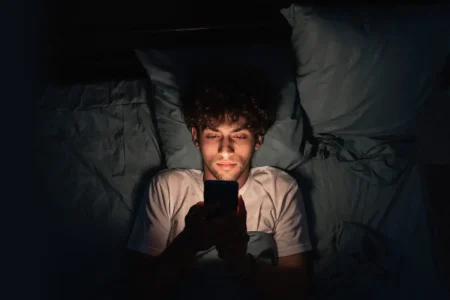





Imagine scrolling through your phone late at night, and a video appears. It’s not a cooking tutorial or a funny dog clip—it’s a slickly produced, bizarrely compelling mini-soap opera. A woman is locked in a passionate, forbidden embrace with her werewolf brother-in-law. Another woman is discovering she’s pregnant by a dragon. The acting is stilted, the dialogue is overwrought, and the special effects are just good enough to feel real. It’s absurd, yes, but it’s also explicit, and it’s playing on a platform where your 13-year-old can watch it without a single barrier. This is the strange, unsettling new frontier of AI-generated “microdramas”—short, sensational, often sexually charged videos that are flooding the internet, and specifically TikTok, with zero effective regulation. Welcome to the new era of algorithmic slop, where content farms have learned that the fastest way to capture attention is to blend romance, fantasy, and softcore porn into tiny, addictive episodes that never end, never explain themselves, and always leave you wanting more.
At the heart of this phenomenon is China’s booming vertical short-drama industry, known as duanju. It’s a $14 billion operation that has perfected the art of making content that is almost impossible to put down. These are not your grandmother’s soap operas broadcast at 2 p.m. on a weekday. They are stripped-down, hyper-condensed stories told in one- to two-minute bursts, designed specifically for vertical phone screens and infinite scrolling. The biggest players are Chinese-based apps like ReelShort and DramaBox, along with TikTok’s own PineDrama channel, and they have mastered a formula that seems engineered to hijack your brain. Each episode ends on a cliffhanger so manufactured, so emotionally manipulative, that you feel physically compelled to watch the next one. If you’re a teenager, with a developing brain that is deeply susceptible to novelty, social validation, and emotional intensity, these microdramas are essentially a drug. They whisk you into a world where werewolves are possessive boyfriends, dragons are mysterious millionaires, and every relationship is charged with danger, violence, and raw, graphic desire. The problem isn’t just that these stories are trashy—it’s that they are increasingly explicit, and they are being beamed directly into the feeds of minors without any meaningful age verification or parental control.
The way these videos spread is insidious, because it relies on the very mechanics that make TikTok so captivating. When a user watches a full microdrama episode, the algorithm interprets it as a sign of deep interest. Suddenly, the For You feed starts filling up with more dragon smut, more werewolf romance, more videos of people groping each other in hallways. It’s not a bug; it’s the design. Unlike Netflix, which has separate profiles for kids, or YouTube, which has a dedicated YouTube Kids app with stricter content filters, TikTok does not have a true “kids” filter. The app’s minimum age requirement is just 13 years old, and the platform is packed with teenagers. In fact, older teens aged 15 to 17 are the most popular age group on the app, making up a reported 74 percent of its 1.6 billion monthly users, while another 58 percent are between 13 and 14. That means a huge portion of TikTok’s audience is made up of children who are still figuring out the world, their identities, and their understanding of intimacy. And those children are being served content that would make a late-night cable network blush. Some videos show explicit groping and fondling; others depict graphic violence. One particularly disturbing clip shows a man stabbing his girlfriend in the chest and then slapping her across the face. All of this is available under vague account names like @qwsa9fg, which pump out hundreds of these AI-generated microdramas with apparently no restrictions. Even when users try to block the content, it keeps appearing, either as organic posts or as paid advertisements that slip past the platform’s defenses.
But the strangest and most frightening part of this ecosystem is that the microdramas themselves are often just bait. They are ads for AI content farms, and some of those farms appear to exist for a much darker purpose: creating nonconsensual sexual deepfakes. According to Alon Yamin, the CEO of the AI detection firm Copyleaks, these TikTok microdramas often lead viewers down a rabbit hole to companies that “appear to enable or encourage nonconsensual sexual deepfake creation.” In other words, a teenager might watch a silly video about a woman falling in love with a dragon, and then be prompted to download an app like Shortmax, and from there discover tools that can take a photo of a real person—a classmate, a teacher, a celebrity—and generate realistic, sexually explicit images of them without their consent. Copyleaks identified nearly 50 apps in Apple’s App Store that use AI to generate sexually explicit deepfakes, many of which were promoted through TikTok ads. These ads were often sexual in nature, showcasing exactly how the apps could be used to create graphic fake images. One ad even led users to a website with “Hot Templates” for nonconsensual AI deepfakes, including a “Layer Off” option that offered a range of undressing and sexualized photo templates. Another TikTok series promoted a cure for erectile dysfunction that, when clicked, redirected to deepfakes of celebrities like Arnold Schwarzenegger and Sylvester Stallone with explicit imagery. It’s a terrifying pipeline: innocent-looking entertainment becomes a gateway to tools that can destroy real people’s reputations and lives. And the apps are designed to be difficult to report, since many block screenshots and screen recordings, making it nearly impossible for victims or regulators to document violations.
TikTok, for its part, denies any culpability. When The Post sent example videos of these AI microdramas to the platform for comment, a publicist named Zachary Kizer responded that after reviewing the videos, TikTok was “unable to find these ads running on our platform,” and that the examples appeared to be user-uploaded content. He said one video had been removed, and the remaining two had been labeled accordingly, limiting their distribution. He also pointed to advertising policies that explicitly prohibit paid-for advertising of sexually explicit content and services that create content for sexual pleasure. TikTok added that content flagged with warning labels for violent, graphic, or sensitive material is not eligible for recommendation in the For You feed. On paper, this all sounds responsible. But experts like Yamin argue that these safeguards are largely illusory. Content can still appear in user algorithms if it isn’t labeled correctly, and AI programs are increasingly sophisticated at eluding detection tags. The lack of genuine oversight means that even with these policies in place, the content is slipping through the cracks. And the burden of protection is being placed on the platforms themselves, which have a financial incentive to keep users engaged, not to police every piece of content. The result is a digital environment where explicit, deceptive material thrives, and where children are the collateral damage.
The human cost of this exposure is profound, and it goes far beyond feeling uncomfortable. Tessa Stucky, a parenting coach and mental health expert, told The Post that sexually explicit content can scar children well past the initial swipe. “The online world doesn’t just stay online for them,” she said. “They carry it around in their mind and heart. They come to my office with anxiety, fear and sometimes shame.” And that shame is particularly insidious, because children often feel as if they have done something wrong simply by having seen the content, even when it was forced upon them by an algorithm. They internalize the images and stories, which can distort their understanding of relationships, intimacy, and consent. Young people who are exposed to pornographic content early can become desensitized, and as they grow older, they may seek out increasingly extreme material to achieve the same level of arousal. This is a cycle that experts call “ramping up,” and AI makes it even more dangerous, because AI actors cannot consent to harmful storylines, and there is no limit to what can be depicted. Stucky also noted that children who consume this kind of content can become more aggressive and violent in their future sexual experiences, and they may suffer from psychological issues like erectile dysfunction when they are older. On a more immediate level, she regularly sees sleep problems in children who can’t get a disturbing video out of their heads. These are not abstract concerns; they are the everyday realities of growing up in a world where content farms are legally allowed to prey on children’s curiosity and vulnerability.
This is not a problem we can simply scroll past. We are living through an unprecedented experiment in human development, where the most private, intimate aspects of sexuality are being algorithmically weaponized and sold to minors as entertainment. The combination of AI-generated content, short-form video platforms, and the absence of meaningful regulation has created a perfect storm. Parents are left feeling powerless, unsure how to monitor what their children are seeing in a feed that changes every second. Platforms like TikTok talk about safety but continue to prioritize engagement metrics over child protection. And the deepfake industry is growing more sophisticated, making it easier than ever to create explicit content using real people’s faces, all under the guise of “creative expression.” What can we do? First, we need to demand real accountability from tech companies. Age verification needs to be more than a checkbox; it needs to be robust and effective. Content moderation needs to be proactive, not reactive, and it must be able to recognize AI-generated content that is designed to evade detection. Second, we need to educate children about what they might encounter online, helping them build critical thinking skills and emotional resilience so they are not left to process these experiences alone, in shame and confusion. And third, we need to have difficult conversations about what kind of digital world we want to create. The woman with the werewolf brother-in-law and the dragon pregnancy may seem like absurd jokes, but they are the gateway to something much darker. We owe it to our children—and to ourselves—to stop scrolling, pay attention, and demand a safer internet. The future of their minds, their hearts, and their understanding of love is at stake.