




Every traveler knows the feeling: you step off a plane, groggy and slightly disoriented, and suddenly you’re trying to decode a maze of signs, escalators, and crowded walkways while hoping you don’t miss your connection. We tend to assume that the best airports are the famous ones—the gleaming, sprawling coastal hubs where celebrities get photographed and giant duty-free shops stretch for blocks. But according to the latest J.D. Power North America Airport Satisfaction Study, the real champions are far more humble, and they sit right in the middle of the country. For the third year in a row, Minneapolis-Saint Paul International Airport has been named the best “mega” airport in North America, beating out better-known facilities that serve New York and Los Angeles. The airport scored 684 out of 1,000 points in the 2026 rankings, putting it comfortably ahead of its rivals. It’s a refreshing reminder that bigger and glitzier doesn’t necessarily mean better—and that sometimes the quiet, well-run airport in the Midwest has figured out what really matters to travelers.
Travel industry expert Gary Leff, a Texas-based author of the popular blog “View From the Wing,” isn’t surprised by Minneapolis’s repeated win. He points out that the airport does many things right, especially for people who are just passing through. “Connecting passengers have plenty of amenities without having to leave security,” Leff told Fox News Digital, meaning you can grab a bite, stretch your legs, or find a quiet spot to work without going through the hassle of re-clearing security. Local travelers also benefit from the airport’s location, which is relatively close to both downtown Minneapolis and Saint Paul, and has light rail access that makes getting there surprisingly painless. Sure, you might have a long walk between gates sometimes, but Leff says it still feels manageable, and the overall experience is smooth enough that the minor inconveniences don’t ruin your day. In a world where air travel can feel chaotic and exhausting, that kind of reliability is precious. Minneapolis isn’t trying to be a destination in itself; it’s simply doing its job well, and passengers have noticed.
The J.D. Power study, now in its 21st year, ranks airports by size and measures overall satisfaction across seven key areas: ease of travel through the airport, trust, terminal facilities, airport staff, the departure experience, food and beverage options, and the arrival experience. In the mega airport category, defined as those serving at least 33 million passengers per year, Minneapolis took the top spot with 684 points. Detroit Metropolitan Wayne County Airport came in second with 663, and Phoenix Sky Harbor International Airport followed with 642. Among large airports—those serving between 10 million and 32.9 million passengers annually—Tampa International Airport took first place with a very impressive score of 715. Portland International Airport ranked second with 708, and Dallas Love Field came in third with 698. In the medium airport category, for facilities with between 4.5 million and 9.9 million passengers per year, Charleston International Airport led the pack with 712 points, followed by Ontario International Airport with 705 and Indianapolis International Airport with 695. Each winner offers a slightly different personality, but they share a common theme: they make the experience of flying feel less stressful and more human.
Leff offers a simple explanation for why these particular airports keep rising to the top. For Tampa, he says, the airport is “very well organized, even though you do have to transit between your concourses.” That organization matters—when you know exactly where to go and the process flows smoothly, you don’t waste nervous energy wondering if you’re going the right way. Charleston, meanwhile, isn’t overbuilt, so it’s easy to get through quickly. Leff sums it up perfectly: “What is an airport for? An airport is a place that you go to get to, through and out of quickly. You’re flying, you’re trying to go somewhere very efficiently. The best airports are the ones that help you do exactly that.” That philosophy seems obvious, but it’s surprisingly hard to execute in practice. Many airports get caught up in grand architecture, luxury shopping, and Instagram-worthy lounges, only to forget that passengers are there for one primary reason: to catch a plane. The winners in this study keep their priorities straight, focusing on clear signage, easy navigation, and a welcoming atmosphere that doesn’t add friction to your journey. It’s the kind of quiet competence that you barely notice because everything just works.
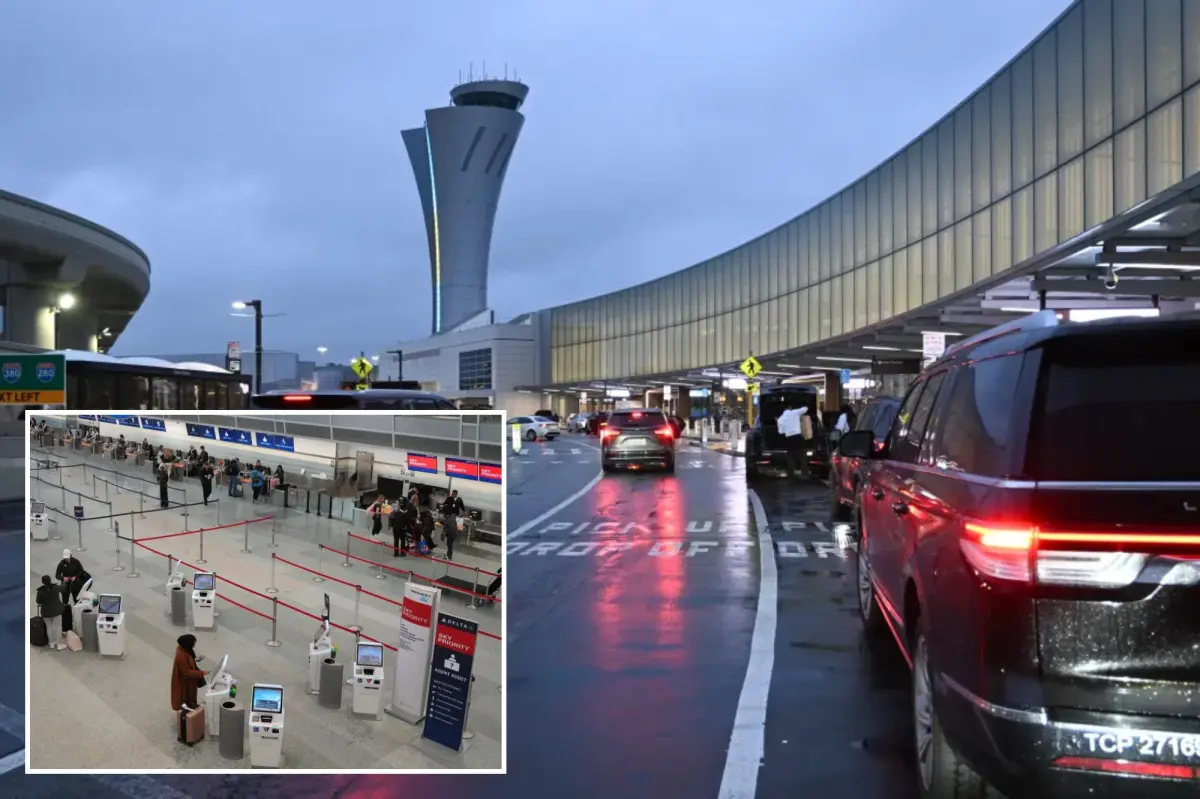
Part of the reason for the high scores across the board, according to J.D. Power, is that many of the top-ranked airports have recently completed, or are close to completing, major capital improvement projects. Those investments are finally starting to pay off, as Michael Taylor, managing director of travel, hospitality and retail at J.D. Power, put it: “On the whole, those efforts are finally starting to pay off in the form of higher overall passenger satisfaction scores.” Food, beverage, and retail programs have especially improved, rising eight points year over year, which means travelers no longer have to settle for stale sandwiches and overpriced souvenirs. But Leff cautions that fancy renovations aren’t everything. He points to New York’s LaGuardia Airport, whose new Central Terminal is genuinely beautiful—but, as he says, it is still “an airport that is relatively difficult to get through.” You can have all the marble and natural light in the world, but if passengers feel confused, rushed, or trapped, the beauty doesn’t make up for it. On the other hand, Leff names San Francisco International Airport and National Airport in Washington, D.C. as personal favorites because they’re close to their cities and easy to navigate. That’s the real formula: accessibility, clarity, and respect for your time.
The study’s methodology adds another layer of trust to these findings. J.D. Power based its 2026 report on 24,710 completed surveys from U.S. and Canadian residents who traveled through at least one airport in the two countries. The results reflect a broad range of experiences, not just one reviewer’s opinion. Overall passenger satisfaction increased across all three airport categories, which suggests that airports are finally listening to what travelers want. And what travelers want, it turns out, isn’t necessarily a five-star restaurant or a spa. They want to move through the airport without feeling like they’re in an obstacle course. They want clear signs that tell them where to go, friendly staff who don’t make them feel like an inconvenience, and a decent cup of coffee while they wait. The airports that excel at those basics—Minneapolis, Tampa, Charleston, and their peers—earn their awards not by being flashy but by being thoughtful. So the next time you’re planning a trip, don’t automatically assume you need to fly through a big coastal hub. You might just find that the best airport experience in North America is waiting for you in the heart of the Midwest, where the signs are clear, the trains run on time, and someone actually thought about what it feels like to be a tired traveler just trying to get home.