

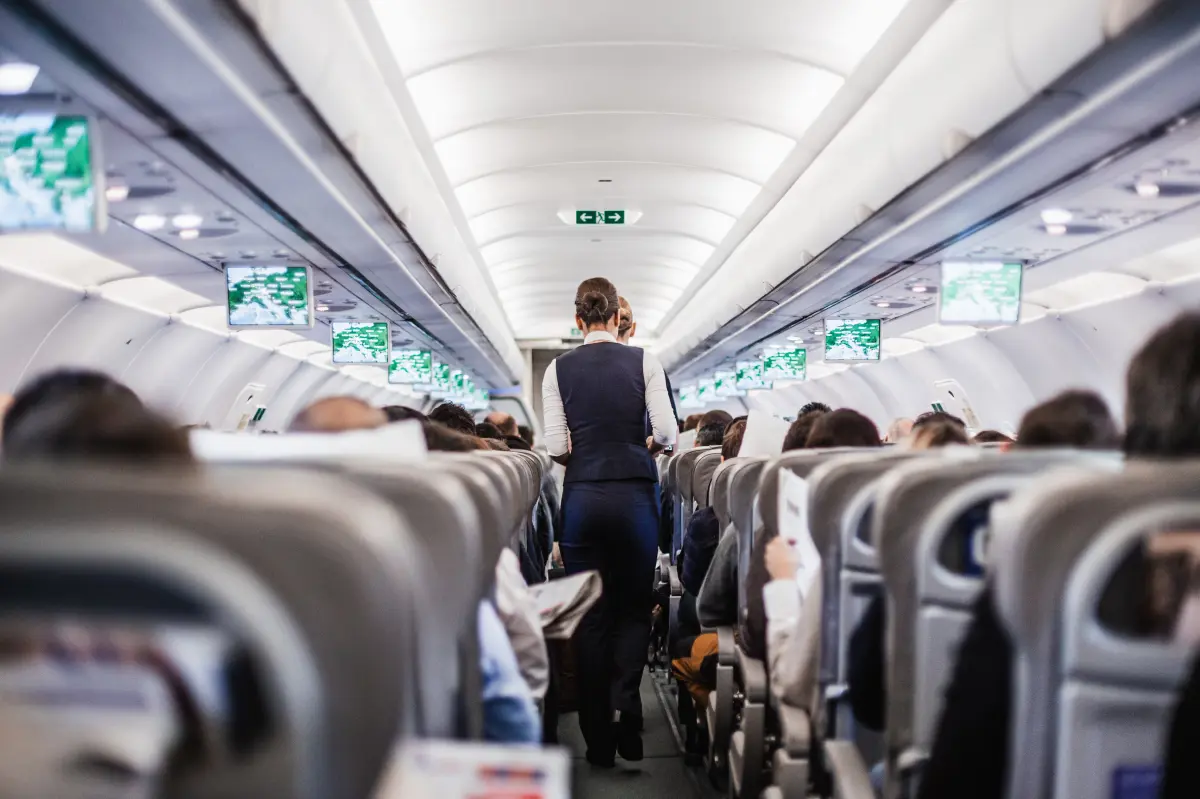
Flying is one of the few experiences where you are strapped into a metal tube at 35,000 feet, surrounded by strangers, and expected to feel comfortable with very little control over what happens next. It can be awkward to ask for something when you are not sure it is allowed, so many passengers suffer in silence with swollen feet, dull headaches, dry skin, or the creeping dread of a long connection. Sille Rydell, a flight attendant with six years of experience, wants to change that. Posting as Travel with SilleRydell on TikTok and Instagram, she has built a loyal following by sharing practical, behind-the-scenes advice every Tuesday, all designed to help passengers have a smoother, more comfortable journey. Her recent videos have touched on a quiet truth about air travel: there are more resources on a plane than most people realize, and sometimes all you need to do is ask. In one especially popular post, she shared a list of in-flight essentials that passengers may not know they can request. From a simple bag of ice to bandages, medication, and even feminine products, the cabin holds small comforts that are rarely announced but often available. For Rydell, the job is about more than serving drinks and demonstrating safety procedures. It is about noticing the small aches and worries that people carry onto the plane, and offering help before they even have to ask. That attitude makes her content feel less like a list of travel hacks and more like a reminder that flight attendants are, at their core, people who genuinely want passengers to arrive feeling a little less worn out.
One of the most surprising suggestions Rydell shared is something as simple as a bag of ice. If your feet have swollen after hours of sitting, or if a headache is starting to creep in, a flight attendant can often provide a bag of ice to use as a cold compress. It is one of those quiet solutions that seems obvious once you hear it, but during a long flight, many travelers simply suffer instead of asking for relief. The same goes for bandages. By the time you board a plane, you have likely walked through terminals, down jet bridges, and along endless corridors. Blisters can appear without warning, especially if you are wearing new shoes or rushing between gates. Rydell revealed that bandages are often available on board, so you do not have to wait until landing to deal with the sting. It might feel like a small thing, but a little plaster can make the difference between a miserable journey and one where your feet still feel human. What makes this advice so valuable is how easy it is to overlook. Passengers tend to think that the cabin crew is responsible only for serving meals and keeping everyone safe, but in reality, flight attendants are resourceful problem solvers. They have heard every kind of request, and they have solutions tucked away in drawers and kits that many travelers never know exist. Rydell encourages people to stop guessing and start asking. If you need relief from a headache, a swollen ankle, or a blister that has been bothering you since the airport, just raise your hand. The worst that can happen is that they do not have exactly what you need, but more often than not, they will find a way to help you feel better.
Another overlooked area of assistance is mobility and medical help. Passengers who have trouble walking long distances, or who have a tight connection between gates, can ask the cabin crew for help getting to their next flight. It is better to arrange this before the flight if possible, but Rydell notes that even if you only realize mid-flight that you are struggling, you can still check with the crew. They can connect you with an airport worker who will meet you at the door and help you get where you need to go. This is a wonderful option for older travelers, pregnant passengers, people with disabilities, or anyone who simply overestimated how much walking they could handle. What matters is that you do not have to struggle alone. Rydell also highlighted a comment from a follower who had terrible stomach pain during a flight and was offered Tylenol to help ease the discomfort. That story points to a broader truth: flight attendants may have access to basic pain relief and other medication supplies, so it is always worth asking if you are hurting. Of course, they cannot prescribe anything or hand out strong drugs, but for minor aches and pains, they can often offer something to take the edge off. Rydell urges her followers to ask for anything they need, even if they assume it is not available on board. “We probably have something,” she says, “a trick, some medication, something that can help you.” That sense of reassurance is exactly what makes her approach so refreshing. Instead of telling passengers to prepare for every possible discomfort, she reminds them that the people working on the plane have seen it all before and are usually happy to help.
Perhaps the most delicate requests involve personal care, and Rydell is especially reassuring here. For women who need a pad or tampon mid-flight, she says some airlines do stock feminine products, but the best approach is to ask a flight attendant rather than go looking for them yourself. She dispelled a common myth that these items are hidden in the lavatory drawers for passengers to find on their own. Rummaging around in the cabin bathrooms is not a good idea; you could break something, and you might not find anything anyway. Instead, simply ask a crew member. Even if your particular flight does not carry feminine products, someone working on board may be able to help you out. It is a small act of kindness that can turn a stressful moment into one where you feel looked after. Alongside these personal care items, Rydell mentioned a number of other things travelers can request: hot water for tea bags or even instant ramen, an extra sick bag before you need one, earplugs if you need quiet, more water or a refill for your bottle, and sanitary wipes for cleaning your tray table or hands. Some of these feel obvious once you hear them, but in the moment, passengers often hesitate. They do not want to be a bother. They worry that their request might seem silly or embarrassing. Rydell wants to set that fear aside. She points out that crew members have likely heard it all before, and they probably know the solution to whatever problem you are facing. You just have to be brave enough to speak up. Travel can be exhausting, and the smallest comforts, like a clean surface or a quiet moment without noise, can make a huge difference to your state of mind.
Rydell’s advice does not stop at what you can ask for during the flight. She also has strong opinions about what you should wear before you even get to the airport. In a separate video, she shared what to wear on a plane and what to skip if you want your feet and body to thank you later. At the top of her “skip” list is flip flops. They seem like the ultimate travel shoe, easy to slip on and off at security, but they offer almost no support at a time when your feet are already swelling. Cabins get cold, and you never know when you might need to run to your next gate. Sturdy, comfortable shoes are a much better choice. She also cautions against tight jeans. When you are sitting for hours, your body retains fluid, and anything restrictive can make you feel cramped and uncomfortable. Loose clothing is the way to go, especially if you want to stay comfortable on a long flight. Perhaps her most striking warning is about shorts and crop tops. She wrote that “you don’t ever want your naked skin near those seats.” Airplane seats have been touched by countless passengers, cleaned infrequently, and exposed to all kinds of grime. Wearing more coverage is not just about warmth; it is about hygiene and peace of mind. Instead, Rydell suggests wearing something comfortable and loose, with extra layers in case the temperature shifts. Airplanes are unpredictable, and dressing in layers gives you the flexibility to adapt without being stuck shivering under a thin blanket or sweating through your shirt. This kind of practical advice is easy to appreciate because it comes from someone who actually experiences flying from the inside. She knows what happens to bodies at altitude, and she wants passengers to make better choices before they board.
Underneath every tip Rydell shares is a simple invitation: ask for what you need. You do not have to be a frequent flyer or a travel expert to have a comfortable flight. You just need to remember that the crew is there to help. “Nobody’s judging,” she wrote, and that line captures the heart of her message. Whether you need a bag of ice for a headache, a bandage for a blister, help getting to your next gate, a pad, a painkiller, or just a few extra minutes of quiet, the worst thing you can do is stay silent. Flight attendants have heard strange requests, urgent requests, and everything in between. They have helped nervous flyers, sick passengers, exhausted parents, and people who simply forgot to pack something important. They know how to solve problems, and they usually have the tools to do it. Rydell’s content has become popular because it feels like a friendly conversation with someone who understands the anxiety of travel. She does not make passengers feel silly for asking questions. Instead, she encourages them to be honest about their needs and trust that the crew will do their best. The next time you board a plane, remember that the cabin is not just a place where you wait to arrive. It is a space filled with people who can help you feel a little more human. All you have to do is ask.