


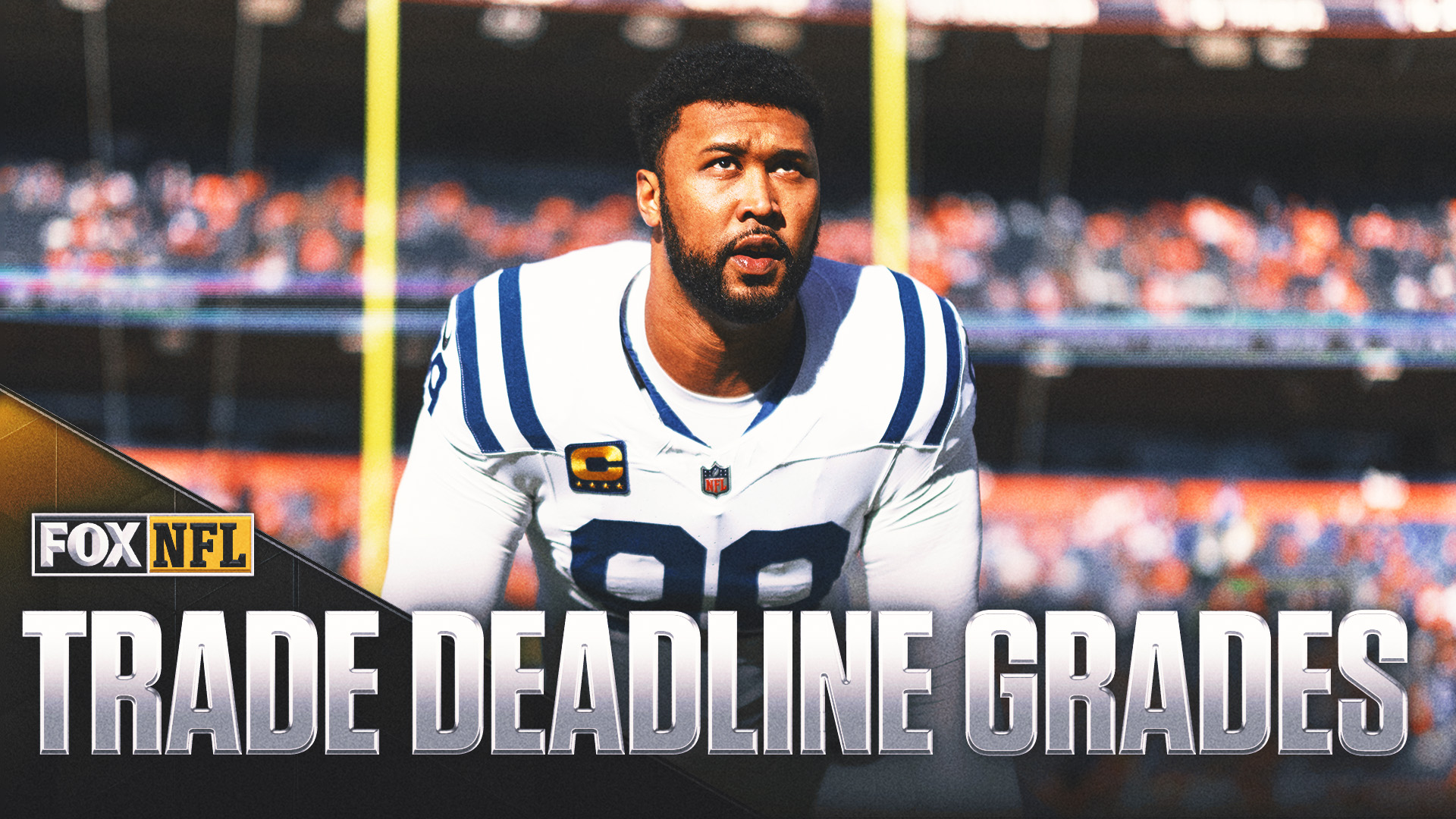
And just like that, the NFL trade deadline season has gone from theoretical to painfully real. The Indianapolis Colts made sure of it on a Tuesday that felt less like a normal midseason workday and more like a franchise bracing for a hard reset. Within just a few hours, the Colts agreed to trade defensive tackle DeForest Buckner to the San Francisco 49ers and guard Quenton Nelson to the Seattle Seahawks, two moves that shook the locker room, surprised the fan base, and sent a clear signal around the league that nobody is untouchable when a rebuild is underway. Buckner, a former top-seven pick who became the Colts’ defensive anchor, returned to the team that originally drafted him in 2016. Nelson, meanwhile, is one of the most decorated offensive linemen of his era, an eight-time Pro Bowler and six-time All-Pro whose blocking style could make a defensive tackle question his future in the sport. The compensation for all that talent: a 2027 fourth-round pick for Buckner, and a 2027 third-rounder plus a 2028 fifth-rounder for Nelson. To a casual fan, those future draft picks might sound like a modest haul, but this is the language of the modern NFL. The Colts had already fired general manager Chris Ballard after a disastrous start to the season, and Tuesday’s deals made it clear that the organization is all in on a long-term rebuild. The trade deadline is Nov. 10, and there is still time for more moves, but Indianapolis has already established the tone. It’s not just about grades and values; it’s about what a franchise is willing to sacrifice today for the chance to be competitive tomorrow. And in the span of one afternoon, the Colts showed they’re willing to sacrifice a lot.
In San Francisco, Buckner’s return looks like a reunion with a purpose. The 49ers need pass-rushing help in the worst way. They finished with a league-low 20 sacks last season, and through the first seven games of this season they’ve managed just 15 sacks, which puts them tied for 20th in the league. Those are not the numbers of a defense that plans to make quarterbacks miserable in January. Buckner brings a different kind of presence. Even at 32, he still has the kind of length and power that makes interior offensive linemen uneasy before the ball is even snapped. His individual numbers this season—four sacks, eight quarterback hits, and 31 combined tackles in seven games—show a player who can still be disruptive in the middle. But maybe the most important thing he brings is history. He knows the 49ers’ system, he knows the locker room, and he knows how to play next to Nick Bosa, who should return at some point from a calf injury. If Bosa comes back anywhere close to his usual self, the combination of Bosa on the edge and Buckner pushing the pocket from the inside gives San Francisco exactly the kind of pass-rush tandem that could carry them through a postseason run. That’s why the 49ers deserve a B+. They didn’t cash in all their chips; they used a future fourth-rounder to plug a real hole with a familiar face. It’s a win-now move that makes sense for a team with Super Bowl aspirations. Does Buckner still have a lot of good football left? Absolutely. But for a contender, even a short-term rental of a player like him might be exactly what the football gods ordered.
For the Colts, the same trade earns a C+, and it’s easy to understand why. Buckner wasn’t just a good player on a roster; he was a foundational piece, a leader in the defensive meeting room, and a respected voice in the community. The draft compensation is on the low side for a player of his stature, even with the caveat that he’s on an expiring contract. He’s set to hit free agency at the end of this season, which naturally limits what a trade partner is willing to pay. You’re not renting a future, you’re buying a few months of interior pressure. Still, a single 2027 fourth-round pick for a productive, respected starter is the kind of deal that makes a fan check the calendar to make sure it isn’t April Fools’ Day. The Colts are in the process of tearing everything down, and that means accepting below-market returns in exchange for future flexibility. The C+ grade reflects that nuance: the strategy is understandable, but the return should sting a little. In a league where premium defensive tackles often fetch premium prices, it’s hard not to wonder if the Colts could have held out for a better offer or waited until closer to the deadline to see if another contender got desperate. But the 49ers had leverage too. Why give up a future second-rounder for a guy you can sign in free agency in a few months? That’s the uncomfortable reality of trading a star with an expiring contract. You’re not selling the whole house; you’re selling the final months of the lease. The Colts needed to start collecting picks, and they did, but the return feels more like a token than a true reward for years of service and the 31 combined tackles he’s already posted this year. It’s a deal that may look better in hindsight if the 2027 pick turns into something special, but in the moment, it’s a reminder that rebuilds rarely feel good at the point of sale.
Now, the Nelson deal from Seattle’s perspective: this one is a flat-out win. Seahawks general manager John Schneider has always had a taste for clever trades, but this move is less about cleverness and more about filling a glaring need with a proven monster. Nelson is an eight-time Pro Bowler and a six-time All-Pro, but those honors only hint at what he does on the field. He anchors the line with a combination of nastiness and technique that can shut down an entire side of a defensive front. For a Seahawks team that wants to keep Sam Darnold upright, this is a massive boost. Darnold has revived his career with some excellent play this season, but the margin between staying hot and getting broken is often the offensive line. Nelson doesn’t just give Darnold a clean pocket; he creates space for the run game to find its rhythm, something Seattle has been searching for through seven uneven weeks. The draft-pick context makes the trade even better for the Seahawks. They were already scheduled to receive a third-round pick in 2027 because of the perceived loss of executive Nolan Teasley to the Minnesota Vikings’ general manager job, so moving that 2027 third doesn’t cost them as much as it might seem. They’re also looking at a couple of fifth-round compensatory picks for the free-agent departures of Kenneth Walker III and Riq Woolen, which makes giving up a 2028 fifth-rounder a lot easier to swallow. For all of those reasons, this is an A. The Seahawks made themselves better immediately, didn’t gut their draft board, and acquired a player who can anchor the offensive line for years to come. It’s the kind of transaction that makes a contender’s fans dream of playoff confetti, and it’s hard to argue with the logic.
From the Colts’ side, the Nelson trade earns a B+, which might sound high for a deal that sends away an all-time great. But this is one of those situations where the emotional cost is high while the strategic logic is sound. The Colts are in the middle of a massive rebuild, and they don’t even have a first-round pick in the upcoming draft. That’s a brutal position for a team that needs a franchise quarterback and an infusion of young talent. If you can’t draft at the top of the draft, you’d better stockpile picks in other places, and Tuesday’s move gives the Colts a 2027 third and a 2028 fifth to add to the pile. It isn’t the return Nelson’s résumé deserves, but the market isn’t built on résumé loyalty; it’s built on leverage, timing, and need. The Colts needed to show they weren’t going to hold onto players just because they’re popular. Nelson has been the face of their offensive line culture, the guy who sets the tone in the meeting room and the weight room. Trading him means changing the entire personality of the group, at least in the short term. But the B+ grade is about the bigger picture. Indianapolis can’t win this season, and pretending otherwise would be malpractice. The only path forward is to build through the draft, and that path requires picks. The Colts turned a beloved player into two future assets, which is the kind of unemotional transaction that rebuilds demand. It’s painful, yes. There will be moments in the next couple of seasons when the offensive line looks lost without him. But if those 2027 and 2028 draft picks become even one solid contributor, this deal will be remembered as part of the painful but necessary foundation. The front office deserves some credit for making a bold choice and not letting sentimentality get in the way of a long-term vision.
The bigger picture is that Tuesday was just the beginning. The NFL trade deadline is Nov. 10, and all signs point to more movement across the league in the coming weeks. The Colts, in particular, might not be done. In fact, it would be surprising if they were. They’ve already shown they’re willing to move just about anyone, and teams that are actively rebuilding tend to keep working the phones until the last possible minute. That’s how a franchise turns one shocking day into a complete roster transformation. For the 49ers and Seahawks, the moves add urgency to their seasons. They’re not just collecting talent for the sake of stocking shelves; they’re making specific, calculated upgrades for a run at the playoffs. For the Colts, though, this is a season of subtraction. They’re doing the unglamorous work of dismantling a team that didn’t work, in the hopes that the next team will. And while the draft capital is important, perhaps the most overlooked part of Tuesday is the human element. Buckner and Nelson are men, not just trade chips. They’re fathers, teammates, mentors, and community figures who spent years giving their bodies to a city that asked a lot of them. Watching them walk out of the Indy facility is a reminder that football is a business, and that business can be brutal. It’s also a reminder that hope springs from those brutal decisions. The fans who feel betrayed today might be the same fans who cheer the rookies selected with those future picks. That’s the cycle of the league. The best teams understand that they can’t build a future if they’re unwilling to let go of the past. The Colts made their choice. The rest of the league is taking notice. And just like that, the trade deadline has arrived—not with a quiet whisper, but with the unmistakable sound of a franchise starting over.