


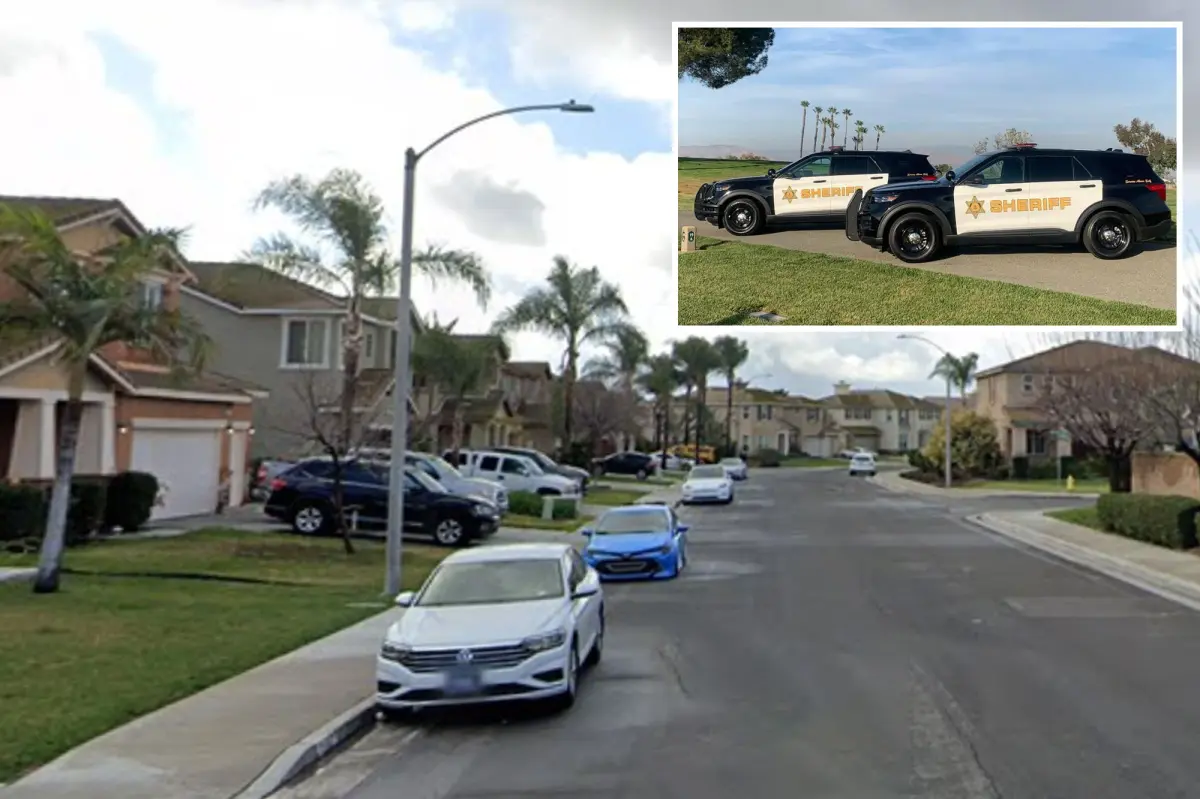
It began like so many other Saturday nights in Eastvale, California—a quiet suburb where families settle for good schools, safe streets, and the comfort of knowing their neighbors. The evening of the shooting had likely started with ordinary things: dinner on the stove, television in the background, maybe the laughter of children or the low murmur of friends catching up. But just before 11:15 p.m., that calm was violently broken. Emergency dispatchers received frantic calls reporting a possible shooting at a home in the 7000 block of Morning Hills Drive, a residential street that, until that moment, had no reason to be in the news. Riverside County Sheriff’s Department deputies arrived within minutes, their patrol cars lighting up the night with red and blue, their boots hitting the pavement with the grim knowledge that something terrible had happened. What they found inside the house was even worse than the calls suggested: seven people had been struck by gunfire. One person was already beyond help, pronounced dead at the scene. The other six lay wounded, some conscious, some not, in a chaotic and heartbreaking scene that would leave first responders forever marked by the memory.
The immediate aftermath was a blur of urgent action. Paramedics worked alongside deputies to stabilize the six surviving victims, applying pressure to wounds, lifting stretchers, and loading ambulances as quickly as possible. The injured were rushed to nearby trauma centers, their sirens cutting through the night air, carrying the weight of lives hanging in the balance. In the emergency rooms, doctors and nurses fought to save them, while outside in waiting areas, families began to gather—some arriving after receiving terrifying phone calls, others rushing in desperate hope, all of them gripped by fear and confusion. For those six people, the road ahead would be long and uncertain. Gunshot wounds can cause catastrophic damage, requiring multiple surgeries, lengthy hospital stays, and months or years of rehabilitation. Even those who recover physically often carry invisible wounds—anxiety, survivor’s guilt, the relentless replay of the moment their lives changed forever. As of now, authorities have not publicly identified the person who died, leaving their family in a painful limbo of private grief while the rest of the world waits for answers. Likewise, there have been no updates on the conditions of the six survivors, which means their loved ones remain suspended in agonizing uncertainty, hoping for good news with every passing hour.
For the residents of Eastvale, the shooting has shattered any illusion that tragedy only happens elsewhere. Morning Hills Drive is the kind of street where people wave to each other during evening walks, where children ride bikes and teenagers practice basketball in driveways. It is a place where neighbors watch out for one another, and where a house party or family gathering would normally be a cause for joy, not alarm. Now that same street is marked by police tape and the lingering scent of violence. Neighbors have described hearing the sudden crack of gunfire followed by silence, then the growing chorus of sirens. Some stepped outside to see what was happening and found a scene straight out of a nightmare. There is a deep sense of unease in the community now—not just because of the shooting itself, but because no suspect description has been provided and no arrests have been made. The unknown is terrifying. If the shooter was someone connected to the household, neighbors may still feel safe; but if the violence came from outside, if it was random or targeted with no warning, then every unfamiliar car and every late-night sound becomes a source of anxiety. People are locking their doors more carefully, checking on their loved ones, and struggling to understand how such a thing could happen so close to home.
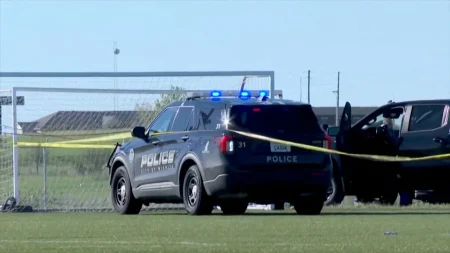
Meanwhile, investigators are working around the clock to piece together what occurred. The Riverside County Sheriff’s Department has treated the home as an active crime scene, with detectives, forensic specialists, and evidence technicians combing through every room, photographing every detail, and collecting shell casings, DNA, and any other trace of what happened. They are interviewing witnesses, talking to neighbors, and seeking surveillance footage from nearby homes, doorbell cameras, and street cameras that might have captured something important. They are also trying to establish a timeline: who was at the house, what led up to the shooting, and who might have left the scene before law enforcement arrived. Identifying the deceased is also a priority, and coroner’s officials are working to notify next of kin before releasing the name to the public. The investigation is painstaking and slow, often involving hours of quiet work that never makes the news. Detectives will follow every lead, no matter how small, and they will likely spend days, even weeks, reviewing evidence and building a case. What makes this effort more difficult is the absence of any public information about a possible suspect. Without a description, a name, or a vehicle, investigators must rely on the memories of witnesses, forensic clues, and the cooperation of the community. They are asking anyone with information to come forward, knowing that sometimes the smallest detail—a strange car seen earlier in the day, a tense conversation overheard, a social media post—can be the key to solving the case.
This tragedy is also part of a much larger, painful pattern. Across the United States, gun violence continues to claim lives in homes, schools, streets, and public spaces, leaving behind devastated families and traumatized communities. Each shooting is unique, with its own set of victims and circumstances, but the aftermath is always the same: grief, anger, and the desperate search for meaning. People ask why this happened, what could have been done to prevent it, and whether the next tragedy can be stopped. There are no easy answers. The debate over gun laws, mental health, and community safety will continue, but for now, the focus is on the human beings at the center of this tragedy—the one who died, the six who are fighting for their lives, and the countless family members and friends who will never be the same. It is important to remember that the victims are not just names or numbers. They are someone’s child, parent, sibling, or best friend. They have birthdays, dreams, favorite songs, and people who love them. Their lives were irrevocably altered in a matter of seconds, and their community must now wrap around them with support, compassion, and patience. In the coming days, there may be vigils, fundraisers, and messages of solidarity. Neighbors will bring food to families, strangers will offer prayers, and local leaders will speak out. These acts of kindness cannot undo what happened, but they can remind the survivors that they are not alone.
As the investigation continues, the people of Eastvale are left to hold their loved ones a little tighter and to confront the fragility of life. The house on Morning Hills Drive stands quiet now, a silent monument to a night of violence. Police tape may still flutter in the wind, and the street may feel darker for a while, but the community’s strength will eventually shine through. There are still many unanswered questions. Who fired the shots? Why were these seven people targeted, if indeed they were targeted at all? Will there be justice for the dead and the wounded? Authorities are urging anyone with information to contact the Riverside County Sheriff’s Department, reminding the public that even the most insignificant detail could be crucial. For now, all that can be done is to wait, to hope, and to remember. The person who lost their life deserves to be mourned with dignity. The six survivors deserve our thoughts, our prayers, and our respect for their privacy as they undergo treatment and recovery. And the community deserves a future free from the fear that a quiet Saturday night could end in tragedy. Until then, the hearts of Eastvale and beyond are with the victims, their families, and everyone affected by this senseless act of violence.