


Imagine it’s the second week of October, and the weather forecast is calling for 80-degree afternoons. In parts of the Ohio Valley and Mid-Atlantic, that’s not a fantasy—it’s the reality, and it’s creating a quiet but serious problem for the electric grid. The Trump administration has issued an emergency order aimed at preventing possible blackouts across 13 states and Washington, D.C., where more than 60 million people depend on the power system managed by PJM Interconnection. The Department of Energy authorized PJM, the nation’s largest regional grid operator, to tap into additional power generation resources, including backup supplies, as unseasonably warm October temperatures push electricity demand higher. The problem is one of timing: people are still turning on air conditioners and fans, while many power plants and transmission lines are offline for scheduled maintenance, because this time of year is normally considered a low-demand “shoulder season.” The emergency declaration, issued under Section 202(c) of the Federal Power Act, went into effect Tuesday and will remain in place through Friday, Oct. 16. It is a legal tool reserved for situations that threaten the reliability of electricity supply, and its use now is a striking reminder of how much tighter America’s electricity cushion has become. The order doesn’t mean rolling blackouts are imminent, but it does mean grid operators are taking no chances. For anyone who has lived through a summer outage or a winter storm blackout, the phrase “grid reliability” isn’t abstract—it’s about whether the lights come on when you flip the switch, whether the refrigerator keeps humming, and whether the office can keep running on a warm autumn afternoon. This is the story of how a warm spell, an aging energy system, and a changing political landscape converged to force the federal government to step in.
At its core, the emergency order is a safety valve. It gives PJM Interconnection permission to do things it normally can’t do outside of a declared crisis: run certain generating units beyond their usual operating limits, bring backup power online, and shift the flow of electricity across the system to prevent overloads. The goal is to keep supply and demand in balance across a vast footprint that includes all or parts of Delaware, Illinois, Indiana, Kentucky, Maryland, Michigan, New Jersey, North Carolina, Ohio, Pennsylvania, Tennessee, Virginia, West Virginia, and the District of Columbia. That’s a huge area, covering some of the most densely populated and economically important regions in the country. The order doesn’t mean the lights are about to go out; rather, it’s a precautionary measure designed to keep them on during a stretch when the weather is behaving like summer while the calendar says fall. Historically, grid operators have worried most about extreme heat in July and August, when air conditioners run full blast, and extreme cold in January and February, when electric heating and natural gas demand peak. But this October has introduced a new wrinkle: temperatures in the 70s and 80s are pushing electricity use upward just as many generating facilities and transmission lines are down for planned maintenance. In the past, this time of year was a quiet period for the grid, a chance to fix equipment and prepare for winter. Now, with demand climbing and weather patterns becoming less predictable, those maintenance windows have become risky. The Department of Energy’s order is intended to give PJM the flexibility to work around that timing problem, essentially telling the grid operator: use every available tool to keep the system stable, even if it means bending some normal rules for a few days.
PJM Interconnection, for its part, moved quickly to reassure customers that the emergency conditions are not expected to affect everyday life. Jeff Shields, a spokesperson for PJM, told Fox News Digital that the grid operator does not anticipate any direct impact on households or businesses, but he also delivered a blunt warning about the bigger picture. Electricity demand, he said, is growing faster than new generating capacity can come online, and unpredictable weather is leaving fewer opportunities for critical maintenance and construction. Shields explained that planned maintenance periods now present reliability risks that grid operators previously faced primarily during the peak summer and winter seasons. In other words, the problem isn’t just this week’s warm weather—it’s that the margin between how much electricity people need and how much the grid can actually produce has become dangerously thin. Think of it like a fleet of buses: if a few buses are in the shop for repairs, you can usually manage by squeezing more passengers onto the remaining routes. But if demand keeps growing and you keep delaying repairs because there’s never a good time to take buses offline, eventually the whole schedule starts to wobble. That’s essentially what’s happening with the electricity system. PJM is managing a network that has to be ready for extremes at any time, but the old assumptions about when peak demand happens no longer hold. A warm October afternoon can now look like a summer day in terms of electricity use, and that creates challenges for everyone involved, from power plant operators to transmission line crews to the families and businesses who simply expect the power to be there when they need it.
Energy Secretary Chris Wright framed the emergency order as a necessary step to protect American consumers. “This order will help ensure millions of American families and businesses across the mid-Atlantic have access to affordable, reliable and secure electricity by making additional power generation, including backup power, available to use as needed,” he said. But Wright also used the moment to make a broader political argument, criticizing energy policies under former President Joe Biden and arguing that restrictions on conventional energy production have weakened grid reliability. That kind of criticism has become a familiar part of the national debate over energy, especially as coal and natural gas plants retire and are replaced by renewable sources that can be less predictable. The Trump administration has repeatedly pushed for more fossil fuel production and faster permitting of new power infrastructure, saying that reliability must come first. Environmental groups and some state regulators, meanwhile, argue that the transition to cleaner energy is necessary and that grid operators need to adapt with better storage, transmission, and demand management. The emergency order is, in some ways, a flashpoint in that larger conflict. To its supporters, it’s a commonsense response to a real vulnerability. To its critics, it’s evidence that the grid is being stretched too thin by a combination of old plants retiring and new demand arriving faster than expected. Either way, the situation highlights a truth that crosses party lines: the country’s electricity system is under pressure, and the old rules and timelines no longer fit the new reality. The question is what to do about it—and whether the response will be more emergency orders or a more fundamental overhaul of how power is planned, built, and paid for.
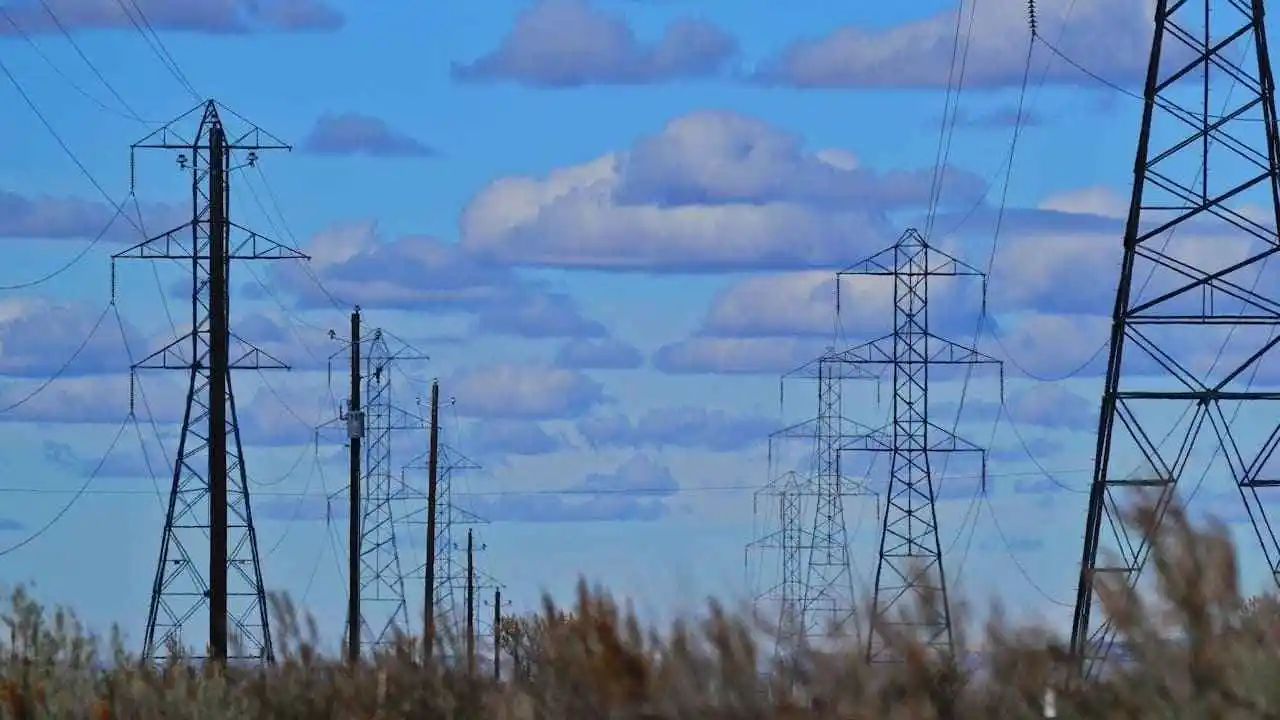
While the emergency order deals with the immediate threat, the Energy Department is also pursuing longer-term investments meant to strengthen the nation’s electrical backbone. In a separate but related move, the DOE recently announced plans to support 84 Tennessee Valley Authority transmission and distribution projects across eight states, representing roughly $581 million in planned investments. That package includes about $250 million in federal funding and is expected to add approximately 2.5 gigawatts of grid capacity—enough to make a meaningful difference for millions of people. The projects are projected to improve reliability for 2.58 million families and businesses and to support around 800 jobs. The TVA initiative is separate from the PJM emergency order, and its final funding and regulatory approvals are still pending, but it reflects the same underlying concern: the grid needs more than just quick fixes. It needs new power lines, upgraded substations, smarter technology, and enough capacity to handle the surges in demand that are becoming more common. Transmission and distribution infrastructure is often invisible until it fails, but it is the connective tissue that carries electricity from power plants to homes, schools, hospitals, and factories. Investments like the TVA projects are meant to strengthen that tissue before it breaks. At the same time, the emergency order is a reminder that even the best long-term plan can’t help if you can’t make it through the next five days. The combination of the two—an immediate action and a longer-term investment—shows how energy policy is now operating on two tracks: keeping the system stable today while trying to build the system of tomorrow.
For the millions of people living in the PJM region, the practical message right now is simple: don’t panic, but pay attention. The emergency order is a tool, not a warning that blackouts are inevitable. It allows the grid operator to keep the system in balance during a tricky week, and officials say customers should not notice any disruption. But the broader lesson is harder to ignore. America’s electricity grid is being asked to do more than ever before, at a time when the rules of the game are changing. Old power plants are closing, new industries like data centers and electric vehicles are driving up demand, and extreme weather—from heat waves to winter storms—is testing the system in unexpected ways. The gap between demand and supply is narrowing, maintenance windows are shrinking, and the cost of getting it wrong is measured not just in dollars but in darkened neighborhoods, closed businesses, and compromised emergency services. The emergency order and the TVA investments are responses to that reality, but they are not final solutions. The coming years will require more power plants, more transmission lines, faster permitting, and a more flexible approach to energy planning. There will likely be more debates about which fuels to use, who should pay for upgrades, and how to balance reliability with environmental goals. What this October’s emergency order shows is that those debates are no longer abstract. They are happening right now, in real time, as the temperature outside climbs and the grid finds a way to keep up. For now, the lights should stay on—but the system behind them is under more pressure than ever, and everyone from policymakers to utility executives to everyday customers has a stake in what happens next.