


Beneath the Mexican Sun: The Baja Killings That Galvanized the World
The Disappearance That Shattered a Picture-Perfect Getaway
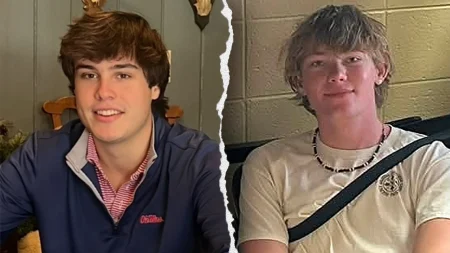
In the final days of April 2024, the sun-drenched coastline of Baja California was meant to be the backdrop for a surfer’s dream. Two brothers from Australia, along with their close American companion, had crossed into Mexico with boards strapped to their roof and a week of waves ahead of them. Instead, their journey became a nightmare that would reverberate across three continents and place an unforgiving spotlight on the region’s simmering violence. The trio—Callum Robinson, 33, his younger brother Jake Robinson, 30, and their friend Carter Rhoad, 30—had been camping along a remote stretch of coast near Ensenada, a city known for its dramatic cliffs and legendary breaks. When they failed to check in with family back home in Perth, a flicker of concern quickly spiraled into full-blown panic. Relatives reported them missing, and a desperate search unfolded across a rugged landscape where cell service fades and the Pacific crashes against isolated shorelines. For days, there was only silence—an agonizing void that friends filled with social media appeals and anxious vigils on opposite sides of the world. The disappearance of the two Australian brothers and their American friend drew international attention almost immediately, not only because of the victims’ nationalities, but because of the haunting familiarity of their story: three young men chasing waves, vanishing without a trace in a country that has grown tragically accustomed to such headlines.
Three Lives, One Shared Passion
To understand the magnitude of the loss, one must first understand the men at the heart of it. Callum Robinson was a physician assistant with a warm, infectious energy that made him a natural leader among his peers. He had a deep, lifelong love of the ocean, a passion he shared with his younger brother Jake, a land surveyor who possessed a quieter intensity and a camera that rarely left his side. The two siblings had grown up along the western coast of Australia, where the Indian Ocean becomes a playground, and their bond was forged in saltwater and shared adventure. Carter Rhoad, an American from California, had crossed paths with the brothers through their mutual obsession with surfing, and the three had become inseparable travel companions—the kind of friends who finish each other’s sentences and plan their calendars around tides. Their final trip was meant to be a celebration of that friendship, a chance to escape the routine of everyday life and reconnect with the elements. Friends described them as experienced travelers, not reckless thrill-seekers; they knew the risks of remote travel and had taken precautions. Yet none of that knowledge could prepare them for what awaited. The grief that followed their deaths was compounded by the cruel randomness of the violence, a fact that struck a chord with surfers and travelers worldwide. As tributes poured in from Perth to San Diego, the families clung to the memories of young men who lived vividly and loved fiercely—brothers and a friend whose story would become a stark symbol of vulnerability in a world where adventure can carry an unthinkable cost.
A Grim Discovery and a Swift Arrest
The search for the missing men reached its devastating conclusion in early May, when authorities located their bodies in a remote area not far from where they had been camping. The discovery came after a forensic team and police dogs were deployed to a rugged ravine, where the remains were found in a makeshift grave at the bottom of a well. The scene was grim, and the subsequent investigation painted a chilling picture of the men’s final hours. Mexican prosecutors, working alongside federal agents, identified three suspects—two men and a woman—who were taken into custody in the nearby city of Rosarito. According to officials, the suspects had allegedly encountered the tourists while they were camped on a secluded beach, and a confrontation erupted over the tires on the brothers’ pickup truck. What began as a theft, authorities alleged, escalated into cold-blooded murder. The suspects were charged with forced disappearance, a charge that was later upgraded to homicide as evidence mounted. The alleged ringleader, a man with a prior criminal record, reportedly confessed to the killings, telling investigators that he had acted to steal the truck’s tires after damaging his own vehicle. The confession sent shockwaves through the region, confirming the darkest fears of the victims’ families and igniting a firestorm of condemnation. The swiftness of the arrests, however, offered a small measure of reassurance that justice might be possible—even in a country where cases involving foreigners often languish in bureaucratic limbo. Still, the brutality of the crime left an indelible stain on the area, raising urgent questions about how such violence could flourish in a place that depends so heavily on tourism.
A Region on Edge
Baja California has long walked a delicate line between paradise and peril. The region’s rugged beauty and world-class surf spots have made it a magnet for international travelers, yet it has also been a battleground for criminal organizations fighting over drug routes and territorial control. The killings of the two Australian brothers and their American friend laid bare the fragility of that balance, thrusting the region into an unwelcome global spotlight. In the weeks that followed, officials in both Mexico and abroad were forced to confront an uncomfortable reality: violence was creeping into areas once considered safe havens for tourists. Travel advisories from Australia and the United States had long cautioned citizens about the risks of traveling to certain parts of Mexico, but Ensenada and its surroundings were often viewed as exceptions—places where families flocked for spring break and surfers found sanctuary. That perception was shattered by the tragedy, and local authorities scrambled to reassure visitors that the area remained secure. Yet the arrest of the suspects, while encouraging, did little to dispel the underlying unease. For residents, the killings were a grim reminder of the challenges they face daily; for travelers, they became a cautionary tale. The international attention brought an influx of media crews and scrutiny, and business owners in the tourism industry braced for the ripple effects. The question on everyone’s mind—from the streets of Ensenada to the shores of Australia—was whether this tragedy would serve as a wake-up call or simply become another statistic in a region struggling to find its footing.
Global Outrage and Diplomatic Echoes
The reaction to the murders was swift and visceral, transcending borders in a way that few crimes manage to do. The deaths of the two Australian brothers and their American friend drew international attention not just because of the victims’ nationalities, but because the circumstances struck at a primal fear shared by travelers everywhere: the sense that, in the wrong place at the wrong time, a simple vacation can turn fatal. In Australia, the story dominated news cycles for weeks, with the Robinson family’s plight becoming a national cause. Prime Minister Anthony Albanese expressed his condolences and pledged full cooperation with Mexican authorities, while the Department of Foreign Affairs worked behind the scenes to provide support to the grieving relatives. Across the Pacific, the family of Carter Rhoad received similar outpourings of sympathy, and the American media framed the tragedy as a cautionary tale about the dangers lurking beneath the surface of adventure travel. Social media amplified the outrage, with hashtags calling for justice and tributes honoring the victims’ lives. The international community’s focus on the case put significant pressure on Mexican officials, who were eager to demonstrate their commitment to solving crimes involving foreign nationals. For weeks, the story remained in headlines across the globe, fueled by a steady stream of developments—the arrests, the confessions, the repatriation of remains, and the emotional funerals held in Perth. The coverage was relentless, and with it came a collective demand for accountability. It was a rare moment of cross-cultural solidarity, as strangers from vastly different backgrounds united in grief and outrage over the senseless loss of three vibrant lives.
Justice, Mourning, and a Lasting Impact
In the months that followed, the legal proceedings against the accused moved forward, with prosecutors seeking lengthy prison sentences for those charged with the murders. For the families, the pursuit of justice became a painful but necessary ritual—a way to honor the memories of their loved ones while ensuring that those responsible would never harm anyone else. The suspects’ alleged confession and the recovery of the victims’ belongings provided a foundation for the case, but the emotional toll on the families was immeasurable. They spoke publicly of their grief, of the void left by two brothers who were each other’s anchors and a friend who had become family. Memorials were erected at the campsite where the men had last been seen, and surfers around the world paid tribute by paddling out in their honor. The tragedy also prompted a broader conversation about the safety of travelers in Mexico, with tourism officials launching campaigns to reassure visitors that the country remained a welcoming destination. But for the families, no campaign could bring back their sons, their brothers, their friends. The legacy of Callum, Jake, and Carter is one of love for the ocean and each other—a legacy that will endure in the hearts of those who knew them and in the collective memory of a world that watched their story unfold with horror and heartbreak. As the sun rises over the Pacific and the waves continue to roll onto the shores of Baja California, their absence is felt as profoundly as the beauty that surrounds it—a permanent reminder that life is fragile, that adventure carries risk, and that three men who came seeking joy instead found tragedy, leaving behind a family, a community, and a global audience forever changed by their story.