


1
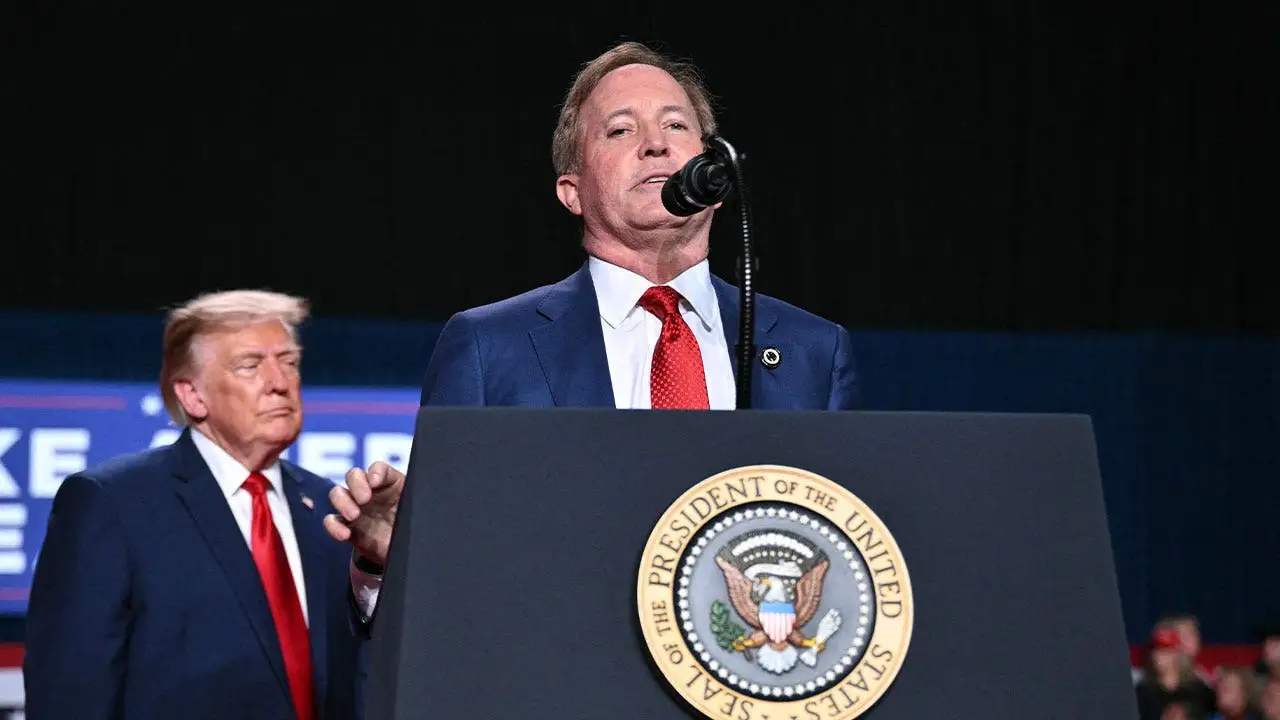
The air in the San Antonio arena was electric, thick with the kind of raw, partisan energy that defines a major rally. President Donald Trump was in town, and the crowd was riding high, but it wasn’t just the President’s appearance that had people on their feet. Texas Attorney General Ken Paxton, the Republican nominee for the U.S. Senate, was playing the role of the instigator, and he had a target in mind. He grabbed the microphone, leaned into the crowd, and started a chant that would echo through the hall: “Where is Talarico?” The name repeated over and over, a taunt aimed at James Talarico, the Democratic state representative and Paxton’s opponent in the race that could help decide control of the Senate. The implication was clear—where was the young Democrat? Paxton claimed that Talarico had not been seen on the campaign trail in Texas for eleven days, vanishing just as the election entered its final, crucial stretch. For the crowd, it was a damning accusation. How could someone asking for the highest office in the land be so absent? The chant grew louder, a rhythmic reminder of what Paxton saw as Talarico’s failure to show up and fight. But as the noise swelled, the Talarico campaign was already preparing its response. A few hours later, a statement arrived that painted a very different picture—one not of a man hiding from voters, but of a candidate struck down by something far more common and human: the flu.
2
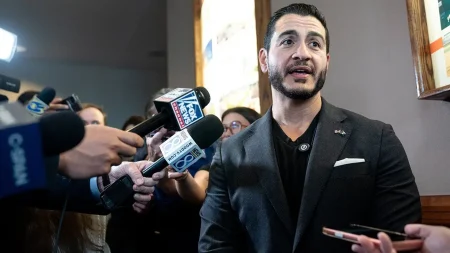
James Talarico, according to his campaign spokesperson JT Ennis, had been working himself into the ground. After holding more than one hundred public events and shaking tens of thousands of hands, the 34-year-old Democrat had finally hit a wall—not from exhaustion, but from a genuine, old-fashioned case of influenza. The campaign framed it not as a scandal, but as a testament to his dedication. “James came down with the flu but will be back on the trail this weekend,” Ennis said, as if to say: this man is out there fighting for Texas, and even a bug couldn’t stop him for long. It was a humanizing moment, a reminder that candidates aren’t just cardboard cutouts or sound bites—they get sick, they cough, they sneeze, they need to rest. But in the brutal arena of politics, a cold can be twisted into a weakness. Paxton had seized on the absence and turned it into a narrative of neglect, and Talarico’s team knew they had to strike back. They did so with sharp words, turning Paxton’s attack back on him. “Ken Paxton has been ignoring Texans this entire campaign,” Ennis fired back. “His priorities are clear: He doesn’t answer to the people of this state. He answers to his billionaire megadonors and special interests.” It was a classic political counterpunch, but beneath the rhetoric was a genuine question that resonates with everyday voters: who is really absent from the lives of Texans? The young father of three who happened to catch the flu, or the career lawyer who has spent years mired in legal battles and controversies, answering to the wealthy donors who fund his super PACs? For Talarico’s supporters, the answer was obvious.
3
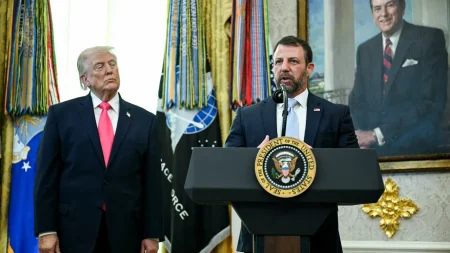
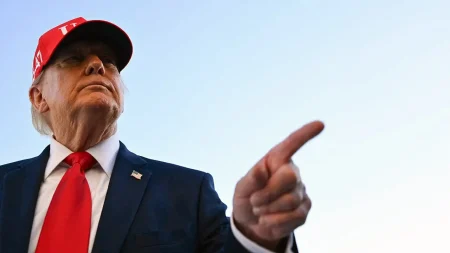
Of course, the rally in San Antonio wasn’t just a one-man show for Paxton. President Trump, never one to let an opportunity to needle an opponent pass, joined in on the fun. He repeated the “Where is Talarico?” refrain, adding his own layer of mockery. Trump, ever the showman, suggested without a shred of evidence that Talarico had become sick after eating meat—and not just any meat, but meat consumed for political reasons. The President’s joke played to a conservative audience that often views environmentalists and vegans with suspicion, and it painted Talarico as someone so beholden to his own dietary choices that he couldn’t handle a good steak. It was classic Trump: personal, playful, and vaguely absurd. But the mockery didn’t stop at lunch habits. Trump took aim at Talarico’s positions on immigration, public safety, and education, painting the Democrat as a radical whose agenda would ruin Texas. He praised Paxton as a warrior for the people, touting his record as Texas Attorney General and painting him as a man who would stand up to the Washington establishment. The contrast was stark: Paxton, the tough-on-crime, border-obsessed conservative, versus Talarico, the young progressive with a beard and a college degree who talked about mental health and public schools. Trump leaned into the contrast with his signature rhetorical style, mixing hyperbole with a hint of mockery. At one point, the President suggested, without any evidence, that Talarico might have gotten sick because he ate meat for political reasons—a jab at the Democrat’s purported dietary choices, which Trump treated as if they were somehow absurd. It was classic Trump, poking at the most personal details to get under an opponent’s skin, and the crowd ate it up. But the President’s involvement was about more than just jokes. He was there to send a message that the Republican Party needed Paxton in Washington, and that Texas was the keystone in their fight to hold the Senate majority.
4
The race between Paxton and Talarico is about more than just two candidates—it’s a proxy war for the soul of Texas and a bellwether for the nation. Texas has been a Republican stronghold for decades, but shifting demographics and a growing influx of new residents have made the state increasingly competitive. The national Democratic Party has been eyeing Texas as a potential pickup, and Talarico, a fresh-faced progressive from the Austin area, represents the kind of new-generation candidate that excites the base. Paxton, on the other hand, is a controversial figure in his own right, having faced long-running legal troubles and ethical scandals, but he’s also a man who has aligned himself tightly with Trump and the MAGA movement. The money flowing into the race reflects the stakes. A Trump-linked super PAC, MAGA Inc., had recently poured a staggering $10 million into Paxton’s campaign, a sign that the national GOP sees this seat as critical to their hopes of maintaining or growing their Senate majority. Meanwhile, Talarico has been painting himself as the underdog, a fresh voice for a new generation, unburdened by the baggage of the old guard. But in Texas, a state that hasn’t elected a Democrat to statewide office in decades, Talarico faces an uphill battle. The rally itself was a display of raw political firepower, with Trump urging voters to back Paxton and warning that the stakes couldn’t be higher. He praised Paxton’s record as attorney general, from his fights on border security to his defense of election integrity, and framed the Senate race as a linchpin in the Republican effort to keep control of Congress.
4
The President, never one for subtlety, also took a personal jab at Talarico, suggesting without a shred of evidence that the young Democrat had fallen ill after eating meat for political reasons. It was a classic Trump move—turn a mundane fact, like a candidate’s dietary preferences, into a punchline. The crowd laughed, but the remark carried a sharper edge. Trump was painting Talarico as out of touch, someone who might have eaten a plant-based burger and then gotten sick from it, a caricature of a coastal liberal in a state where beef and barbecue are practically sacred. He then went on to attack Talarico’s positions on immigration, public safety, and education, lumping him in with what he called the radical left. But the President’s speech wasn’t just about mocking the Democrat. It was a full-throated endorsement of Paxton, a man who has faced his own share of legal troubles but remains a darling of the Trump wing of the Republican Party. Trump praised Paxton’s record as Texas attorney general, painting him as a warrior against federal overreach, and urged the faithful to head to the polls. The President’s presence was a clear signal of how important this race is to the national Republican machine. It wasn’t just about Texas—it was about the balance of power in Washington.
4
The Senate race in Texas has always been a long shot for Democrats, but this year feels different. Talarico, a young state representative from Austin, has run a surprisingly strong campaign, fueled by grassroots energy and a message that connects with a changing Texas electorate. Paxton, meanwhile, is a familiar figure in state politics, but he carries baggage that would sink most candidates. He has been under indictment on state securities fraud charges for years, and he was the subject of a lengthy FBI investigation into allegations of abuse of office—charges he has denied. Yet Paxton remains a favorite in a deeply red state, and his alignment with Trump has energized the base. The race is not just a local battle; it’s a national referendum. Control of the U.S. Senate hangs in the balance, and Texas is one of the key battlegrounds where Republicans are fighting to hold the line. That’s why Trump made the trip, and why outside groups like Trump-linked MAGA Inc. have dumped millions into Paxton’s campaign—reports indicated a massive $10 million infusion to boost his bid against Talarico. The money, the rallies, the chanting—all of it is aimed at one goal: keeping Texas red and locking down the Senate for the GOP. For Paxton, having Trump by his side was a double-edged sword, a reminder of the party’s base and the president’s enduring influence. But it also put a spotlight on the fact that Paxton, a man who has faced his own legal troubles and accusations of corruption, is willing to lean on the former president’s coattails to win.
4
The exchange over Talarico’s whereabouts is more than just a quick hit of political theater. It’s a microcosm of the high-stakes battle unfolding in Texas, a state that has become unexpectedly competitive as the midterm elections approach. The Senate seat isn’t up for a vote in the traditional sense—it’s a special election for the seat once held by Ted Cruz? Actually, no, it’s the regular Senate seat, but the details matter less than the stakes. Paxton, a Republican who has been a close Trump ally, is running for the seat currently held by the GOP. But his campaign hasn’t been without its own turbulence. He’s a controversial figure, having faced legal troubles and accusations that he used his office to benefit a donor. Yet Paxton has leaned into the Trump brand, and the rally was a clear sign that the national party sees this race as crucial. Trump’s super PAC, MAGA Inc., recently poured $10 million into the race, a massive sum that underscores how high the stakes are. For the national GOP, Texas is supposed to be a safe seat, but Talarico has been raising money at a pace that has made Republicans nervous. He’s a young, energetic candidate who talks about public schools, gun safety, and healthcare—issues that resonate with suburban voters and young people. Paxton, meanwhile, is a controversial figure, indicted on securities fraud charges (though he has denied wrongdoing), and his loyalty to Trump has been a central pillar of his campaign. But in a state that hasn’t elected a Democrat to the Senate in over three decades, Paxton is still the favorite. The question is whether Talarico’s absence, however justified, gives Paxton an opening to paint his opponent as unprepared and out of touch.
4
The President’s appearance was more than just a cameo. Trump used the stage to double down on Paxton’s attack, taking a swipe at Talarico’s personal habits. Without a shred of evidence, Trump suggested that Talarico had gotten sick because of his dietary choices, mocking the Democrat for what he claimed was a habit of eating meat for political reasons. It was pure Trump—off the cuff, vaguely absurd, and aimed at painting Talarico as out of step with real Texans. “He probably ate some weird plant-based thing and got sick,” Trump joked, drawing laughs from the crowd. But beneath the mockery, the President was making a serious point about the stakes of the race. He tore into Talarico’s positions on immigration, public safety, and education, casting the Democrat as a radical liberal who didn’t belong in Washington. He praised Paxton as a fighter for the people, a man who had stood up to the federal government, protected the border, and fought for law and order. For the crowd, it was a familiar script, but one that carried extra weight in a state where immigration and border security remain top concerns. Trump warned that if Democrats gained seats in the Senate, the consequences would be dire—a loss of control, a loss of the agenda, a loss of everything they had fought for. The President’s presence was a signal: this race matters, not just to Texas, but to the entire nation.
4
But the rally wasn’t just about the attack on Talarico’s flu-induced absence. Trump, never one to resist a personal jab, went further. He suggested, with no evidence, that Talarico had fallen ill after eating meat for political reasons—an odd, mocking reference to the Democrat’s dietary preferences. The crowd laughed and jeered, but the comment underscored a deeper theme Trump was pushing: that Talarico was an out-of-touch liberal who couldn’t relate to the working men and women of Texas. The President didn’t stop there. He went on to attack Talarico’s positions on immigration, public safety, and education, painting the Democrat as a radical who would side with the far-left if elected. He praised Paxton as a warrior for conservative values, a man who had stood up to the federal government, defended the border, and fought for election integrity. The contrast was stark, and Trump hammered it home, urging the crowd to understand that this race was about far more than one district or one state. It was about control of the United States Senate. The President warned that if Democrats gained seats, the consequences would be dire—a loss of the House, a check on his agenda, and a green light for the left. For the faithful in the audience, the message was clear: send Ken Paxton to Washington, and keep the Republican machine running.
4
But the Senate race in Texas is about more than just the two men on the ballot. It’s a high-stakes battleground that Republicans cannot afford to lose, and the national implications are enormous. With the Senate evenly divided, every seat matters, and Texas—long a Republican stronghold—has become an unexpected focal point. Paxton, despite his long history in Texas politics, is a controversial figure. He’s faced securities fraud charges, an FBI investigation, and a whistleblower lawsuit from his own top deputies. His rise to the Senate nomination wasn’t a coronation; it was a bitter primary fight against incumbent Senator John Cornyn, who had held the seat for years. But Paxton, once a rebel fighting the D.C. establishment, had turned to Trump and his allies to secure the nomination. The irony was not lost on critics. The very establishment Paxton once railed against had come to his aid, with the pro-Trump MAGA Inc. super PAC pouring a staggering $10 million into his campaign against Talarico. This was a significant war chest, and it gave Paxton the ability to define his opponent early. But it also opened him up to the charge that he was a pawn of the party elites, funded by billionaires and special interests. Talarico’s camp hammered that point home. For a Democrat in deep-red Texas, running against the machine is a tough sell, but running as a Washington insider is just as dangerous. Paxton, despite his maverick persona, was the establishment pick here, backed by the very DC establishment he once railed against. The irony was not lost on his critics.
4
President Trump’s presence in San Antonio was not just a show of support for Paxton; it was a signal of how high the stakes were. Control of the U.S. Senate could very well hinge on races like this one in Texas, where a Republican stronghold has shown signs of shifting. Trump knew it, and he used his speech to drive home the point. He praised Paxton as a warrior for the conservative cause, highlighting the attorney general’s record on border security, election integrity, and Second Amendment rights. But Trump also took time to mock Talarico, and he did it with the kind of personal jab that has become his trademark. Without a shred of evidence, the President suggested that Talarico had gotten sick from eating meat—a strange, off-the-cuff comment aimed at the Democrat’s dietary choices. It was classic Trump: part joke, part attack, part attempt to cast Talarico as out of touch with the working-class base. He went on to criticize Talarico’s stances on immigration, public safety, and education, painting the young representative as a far-left radical out of step with Texas values. But the crowd didn’t need much convincing. They were there to see Trump and Paxton, and they lapped up every word, from the mockery of Talarico’s supposed illness to the dire warnings about what would happen if the Democrats gained ground in the Senate. For Trump, the rally wasn’t just about Texas—it was about the national stakes.
4
The San Antonio rally wasn’t an isolated event; it was part of a much larger, high-stakes battle for the U.S. Senate. With the chamber split nearly down the middle, every seat matters, and Texas—once a solidly Republican stronghold—has become an unexpected but very real battleground. Paxton, a conservative firebrand with a history of legal entanglements, is not your typical Senate candidate. He’s spent years in the national spotlight, first as the state’s attorney general, taking on the Obama and Biden administrations over everything from border security to voting rights, and more recently, fending off his own legal troubles, including a long-running securities fraud case that was dismissed, and an FBI investigation that has shadowed his tenure. Talarico, on the other hand, represents a new generation of Texas Democrats—young, energetic, and eager to flip the state. The contrast could not be starker. And that’s why the rally in San Antonio mattered so much. It wasn’t just about the flu or the chant; it was about painting the other guy as out of touch, as absent. Trump, never one to let a good attack die, piled on with his own barbs. He mocked Talarico’s dietary choices, suggesting without evidence that the Democrat had gotten sick from eating meat for political reasons—a jab at Talarico’s progressive base, but also a strange, unsubstantiated attack that only Trump could pull off. For the crowd, it was just another day in the circus of American politics.
4
But beyond the theater, there is a real race unfolding, and the stakes are enormous. Texas, once a solidly Republican state, has become the stage for a competitive Senate battle that could tip the balance of power in Washington. Paxton, a combative conservative with a base of support among Trump loyalists, is running against Talarico, a young progressive who has tried to bring a fresh face to a changing Texas. The race has attracted national attention, and with it, serious money. Earlier this month, a Trump-aligned super PAC, MAGA Inc., poured a staggering $10 million into the race to boost Paxton’s campaign—a sign of how closely the national GOP is watching this contest. For Republicans, Texas is supposed to be a safe bet, but recent polls have shown a tightening race, and both parties are bracing for a tough fight. Paxton himself is no stranger to controversy. As the state’s top law enforcement officer, he has spent years under indictment on state securities fraud charges, though he has maintained his innocence and avoided conviction. He’s also faced ethics complaints and legal battles that have followed him for years. For his supporters, Paxton is a warrior willing to fight the establishment, even when it means taking flak from all sides. For his detractors, he’s a symbol of everything that’s wrong with political power—someone who answers to big-money interests and party bosses, not the people who voted for him. And as Trump’s presence at the rally made clear, the national GOP sees this race as a linchpin in their fragile Senate majority.
4
The broader context of the Texas Senate race cannot be overstated. With Democrats holding a razor-thin majority in the Senate, every seat matters. And Texas, once a deep-red lock, has become a battleground as the state’s demographics shift and suburban voters grow restless with the Republican brand. James Talarico, a young state representative from Austin, has positioned himself as the standard-bearer for a new generation of Texas Democrats, one who speaks with the earnestness of a former public school teacher and the optimism of someone who believes the state can be turned blue. He’s campaigned on public education, infrastructure, and criminal justice reform—issues that resonate with a fast-growing, increasingly diverse electorate. But he’s up against a political machine, and Ken Paxton is a seasoned operator. Paxton, who has spent years as Texas Attorney General, is no stranger to controversy—he was recently the subject of an FBI investigation and has faced ethics charges, but he has also weathered those storms and remained a favorite among the GOP base. He’s backed by powerful figures, including former President Trump and a constellation of billionaire donors. In fact, just days before the rally, a Trump-linked super PAC, MAGA Inc., poured $10 million into the race to support Paxton, a signal of how high the stakes are. The race is no longer just a Texas affair; it has become a national referendum on Republican control of the Senate, and every attack, every chant, every cough on the campaign trail takes on outsized importance.
4
To understand the tension, you have to look at the bigger picture. Texas, long a Republican stronghold, has become the battleground for the future of the Senate. With Democrats holding the slimmest of majorities, every seat matters, and Paxton’s race against Talarico has drawn national attention. Trump’s rally in San Antonio wasn’t just about boosting Paxton—it was a signal of how high the stakes are. The President himself took the stage and echoed Paxton’s taunt, questioning Talarico’s whereabouts in front of thousands of cheering supporters. But Trump, never one to stick to a script, added his own flourish, mocking the Democrat’s dietary habits. He suggested, without a shred of evidence, that Talarico had come down with the flu after eating meat for political reasons—a bizarre, off-the-cuff jab that seemed designed to paint the young candidate as a flip-flopper or a fake. The crowd ate it up, laughing and applauding, but the moment was also a window into the kind of campaign Trump likes to run: personal, mocking, and relentless. He went on to criticize Talarico’s positions on immigration, public safety, and education, painting the Democrat as a radical out of step with Texas values. But it was the meat comment that lingered, a strange and somewhat absurd addition to the political discourse. For Trump, it was just another day at the mic, throwing spaghetti at the wall and seeing what stuck. For Talarico’s team, it was a gift—an opportunity to paint the Republican ticket as out of touch, more interested in schoolyard taunts than the issues that matter.
4
But beyond the laughter and the jabs, the exchange highlighted just how high the stakes are in this Texas Senate race. The state has not elected a Democrat to statewide office in decades, yet Talarico, a young progressive with a grassroots following, has managed to raise serious money and attract national attention. Meanwhile, Paxton is a figure of considerable controversy himself—a man who has spent years fighting securities fraud charges, allegations of abuse of office, and most recently a messy legal battle over whether he should be compelled to testify in a whistleblower lawsuit. He has denied all wrongdoing, but his legal baggage has made him a polarizing figure, even within his own party. That’s why the Senate Leadership Fund and other outside groups, including the Trump-linked MAGA Inc., have poured millions into his campaign. The $10 million infusion from a super PAC closely tied to the former president underscores just how critical this race is. For national Republicans, Paxton is the bulwark against a Democratic wave in Texas. For Talarico, the race is an opportunity to flip a seat in a state that has not elected a Democrat to the Senate since 1988. The contrast couldn’t be starker: Paxton, a seasoned incumbent with deep establishment and billionaire donors, versus Talarico, a young progressive with a grassroots following. And in the heat of that San Antonio rally, the chant wasn’t just about an empty podium—it was about framing the entire race around presence, energy, and commitment.
4
Trump’s involvement added another layer of drama. The President, never one to let a moment pass without a jab, picked up on Talarico’s absence and ran with it. He speculated, without a shred of evidence, that Talarico must have fallen ill after eating meat for political reasons—a mockery of the Democrat’s known dietary preferences. The crowd laughed, but the comment was more than just a joke; it was a deliberate attempt to paint Talarico as out of touch, someone who makes choices not because he enjoys them, but because he’s pandering to some liberal base. Trump then moved on to heavier ammunition, criticizing Talarico’s positions on immigration, public safety, and education. He praised Paxton’s record as attorney general, highlighting his fights against what Trump called “woke” policies and his defense of election integrity. But the meat comment lingered, a typical Trump-style jab that was both personal and absurd, designed to make Talarico seem out of step with the average Texan who might not understand a politician skipping a steak for a salad. For the crowd, it was all part of the show. They laughed, they cheered, they nodded along. But beyond the mockery, Trump’s presence in San Antonio was a clear sign of how important this race was. The President didn’t fly to Texas just to trade barbs—he was there to prop up Paxton, a man who had once been a critic but was now fully in the MAGA fold, and to warn that the fate of the entire Congress rested on this seat.
4
The stakes in this race are enormous, and both parties know it. Texas, once considered a solidly red stronghold, has become a battleground in recent cycles, with Democrats making inroads in the suburbs and among the state’s rapidly diversifying population. Talarico, a young state representative from Austin, represents the kind of energetic, progressive wave that has energized the Democratic base. He talks about public schools, infrastructure, and health care—issues that resonate with the working families who have watched the state’s leadership cater to the wealthy. Paxton, on the other hand, is a veteran of Texas politics, but he carries a heavy load of baggage. He has been under indictment on state securities fraud charges for years, though he has repeatedly denied any wrongdoing, and he has faced separate legal scrutiny. The race is not just about policy; it’s about character, trust, and who shows up. And it’s attracting national attention. Just days before the rally, a Trump-aligned super PAC poured $10 million into Paxton’s campaign, a staggering sum that underscored how high the stakes are. Democrats see Talarico as a rising star, a fresh face who could upset the traditional order in a state that has been a Republican stronghold for decades. Republicans see Paxton as their champion, a man who has fought the federal government, stood by Trump, and now needs to hold off a challenge from a young Democrat with a lot of energy and an even bigger vision. But as the rally showed, Paxton isn’t afraid to go on the offensive, and he knows that questioning Talarico’s dedication is a powerful weapon.
4
The Trump factor loomed large over the entire race. The President didn’t just introduce Paxton and praise his record as Texas attorney general; he took direct aim at Talarico, mocking his dietary choices with a joke that suggested the Democrat had gotten sick from eating meat for political reasons. It was classic Trump—offhand, personal, and designed to get under the skin of his opponent. The crowd laughed and cheered, but the remark also highlighted a stark contrast in styles. Trump’s critiques of Talarico’s stances on immigration, public safety, and education were predictable enough, but the mockery of his health felt almost schoolyard. Still, in the world of modern politics, it was just another day. Trump wasn’t there to make friends; he was there to prop up Paxton, a man who has been one of his most loyal allies. The president urged the crowd to back Paxton, warning that if Democrats gained seats in the Senate, the consequences would be dire for the nation. He talked about border security, about crime, about the economy, and about how the eyes of the country were on Texas. For Trump, the rally was about more than just one race—it was about the national mood, the battle for Congress, and the future of his own influence. And Paxton, standing beside him, seemed to soak it all in. But even as the president praised his record as attorney general, there was an underlying tension. Paxton, once a figure who had railed against the D.C. establishment, was now its candidate, backed by a super PAC linked to Trump that had poured over $10 million into the race. The optics were hard to ignore.
4
This Senate race in Texas is no ordinary midterm contest. It’s a marquee matchup, a battle for the soul of a state that has been trending purple, and its outcome could tip the balance of power in Washington. With control of the Senate hanging in the balance, national money has flooded into the Lone Star State. Trump-linked groups like MAGA Inc. have already dumped ten million dollars into Paxton’s campaign, a sign of just how worried Republicans are about holding the line. Paxton himself is a controversial figure—he’s been under indictment on securities fraud charges for years (though he denies wrongdoing), and he’s faced ethics investigations and legal battles that would have sunk most politicians. But in a red state like Texas, the Republican nomination is often the only contest that matters, and Paxton has embraced Trump’s endorsement like a lifeline. Talarico, on the other hand, is a young progressive from Austin who has tried to paint himself as a fresh face, untainted by the establishment. He talks about public education, healthcare, and infrastructure—issues that resonate with everyday Texans, not just the donors Paxton courts. But the Senate race is about more than just personalities; it’s about power in Washington. With the Senate evenly divided, every seat matters, and Texas has become a key battleground. Outside groups have poured millions into the race, including a $10 million infusion from a Trump-linked super PAC, and the national parties are watching closely. The contrast between the candidates couldn’t be starker: Paxton, a longtime incumbent with a controversial legal history, and Talarico, a young progressive firebrand with a following on social media and a message of change. The rally in San Antonio was just one skirmish in a larger war for the soul of the Senate.
4
Trump’s appearance in San Antonio was more than just a local show of support—it was a signal of just how critical this race is for Republicans. The president didn’t hold back. He questioned Talarico’s record on immigration, public safety, and education, painting the Democrat as a radical out of step with Texas values. But it was Trump’s mocking aside about Talarico’s illness that drew the most attention. The president suggested, without a shred of evidence, that Talarico might have gotten sick because he ate meat for political reasons, a strange jab at the lawmaker’s dietary choices. It was classic Trump—offhand, personal, and designed to get under the skin of his opponent. But beyond the jokes, Trump’s appearance in San Antonio was about more than just needling a young congressman. It was about the math of the Senate. The race between Paxton and Talarico has become a focal point for national Republicans, who see it as a chance to shore up their majority or at least prevent Democrats from flipping a reliably red seat. Trump’s endorsement of Paxton carried weight, and his presence in San Antonio was a signal to the GOP base that this race mattered. He warned the crowd about the consequences of letting Democrats gain ground, painting Talarico as a tool of the national party and a threat to the values that Texans hold dear. The president even suggested, without a shred of evidence, that Talarico’s illness was somehow tied to his dietary choices—mocking the Democrat for eating meat for political reasons. It was classic Trump: equal parts humor, dismissal, and attack, delivered with the timing of a seasoned entertainer.
4
The spat over Talarico’s absence didn’t happen in a vacuum. It was the latest flashpoint in a race that has drawn national attention, not just because Texas is a reliably red state, but because this particular contest has become a proxy battle for the soul of the Republican Party—and a test of whether Democrats can break through in a state that has been trending purple. Ken Paxton, the incumbent attorney general, is no stranger to controversy. He has spent years fighting off legal troubles, including a pending securities fraud case, and has been a vocal champion of Trump’s false claims of election fraud. That record has made him a beloved figure among the MAGA base, but a polarizing one for moderates and independents. Enter James Talarico, a former public school teacher and state representative who has tried to position himself as a pragmatic, energetic alternative—young, charismatic, and willing to work across the aisle. The Senate race in Texas was always going to be a brutal, expensive affair, and the national stakes have drawn in outside groups on both sides. Trump-aligned super PACs have poured millions into the race, including a recent $10 million infusion from MAGA Inc., a sign of just how critical this seat is to the national GOP. For Democrats, Talarico is a longshot in a red state, but they see an opening in Paxton’s own vulnerabilities, including his lengthy legal troubles and the perception that he is out of touch with everyday Texans. The contrast could not be starker: a young, energetic progressive facing off against a veteran Republican with deep ties to the party establishment. The rally chants and the flu-ridden absences are just the surface noise of a much deeper battle for the soul of Texas.
4
The race itself has become a magnet for national attention and money. Shortly before the rally, it was revealed that Trump-linked MAGA Inc. had poured a staggering $10 million into the Texas Senate race, a sign of how high the stakes are for Republicans. The GOP sees Texas as a bulwark against a blue wave, but the demographics are shifting, and the margin in recent elections has been tighter than many expected. Paxton, despite his long tenure as attorney general, is no stranger to controversy. He has spent years fending off legal troubles, including a securities fraud indictment and allegations of abuse of office, which have trailed him like a shadow. Yet he has also positioned himself as a crusader against the “deep state” and a loyal foot soldier to Trump, earning him the former president’s endorsement and the backing of powerful outside groups. The MAGA Inc. super PAC, tied to Trump, had just poured $10 million into the race, a massive infusion of cash designed to bolster Paxton’s campaign in a state that has been reliably red but is showing cracks. Talarico, meanwhile, represents a new generation of Texas Democrats—young, energetic, and unafraid to challenge the status quo. The contrast between the two candidates could not be starker: a 56-year-old political veteran with a history of legal entanglements versus a 34-year-old state representative with a fresh face and a message of change. The Senate race in Texas, once a safe Republican seat, has become a battleground for the national fight over the chamber’s control, with outside groups on both sides pouring millions into advertising and get-out-the-vote efforts. Paxton, with his close ties to Trump and a super PAC linked to the former president, has been able to raise enormous sums, but Talarico has proven to be a formidable fundraiser himself, pulling in small-dollar donations from across the country.
4
The backdrop to this spat is a race that has taken on national significance, and the candidates know it. Texas, once a reliably red state, has been inching toward competitiveness, and Democrats see Talarico as a fresh face who could break the GOP’s decades-long grip on a Republican stronghold. Paxton, on the other hand, is a veteran of Texas politics, but he carries baggage—his legal troubles, his long association with the Trump wing of the party, and the massive influx of outside money that has turned this Senate race into a national battleground. Just days before the rally, a Trump-linked super PAC, MAGA Inc., poured $10 million into the race to boost Paxton. That kind of money doesn’t come without strings, and Talarico’s camp has been quick to paint Paxton as the candidate of billionaires and special interests. It’s a sharp contrast to Talarico’s own persona as a young, energetic state legislator from a swing district, someone who talks about public schools and everyday issues. But Paxton is no stranger to scrutiny himself. As Texas Attorney General, he has faced years of legal troubles, including securities fraud charges and allegations of abuse of office, which he has denied. Yet the Senate race has become a platform for national conservatives, and Paxton has embraced Trump’s endorsement wholeheartedly, positioning himself as the MAGA candidate in the mold of the former president.
4
The political stakes in Texas could not be higher. With the Senate evenly divided, every race counts, and Texas—once considered a reliably red state—has become a battleground in recent years as demographic shifts and suburban realignment have made the state more competitive. Paxton, a fiery conservative, is hoping to ride Trump’s coattails and turn out the rural and working-class voters who have long powered Republican victories in the Lone Star State. Talarico, on the other hand, represents a new generation of Texas Democrats who see the changing face of the state—urban, diverse, and increasingly frustrated with the old guard. The national implications are enormous. A Paxton win helps the GOP keep its slim Senate majority; a Talarico upset could flip the chamber. That’s why outside money has been pouring in. A Trump-linked super PAC recently dumped $10 million into the race, a sign that the national GOP sees Paxton as both an asset and a potential liability. Paxton himself is no stranger to controversy, having spent years fending off legal troubles and ethics complaints. Yet he remains a favorite in a state that hasn’t elected a Democrat to statewide office in decades. The rally in San Antonio was meant to solidify that support, but it also highlighted the stark differences between the two candidates—not just in policy, but in style and substance.
4
The exchange over Talarico’s whereabouts, as trivial as it might seem on the surface, actually speaks to a much larger story about the stakes in this election. Texas, once a solidly Republican stronghold, has become a battleground in recent years, with Democrats dreaming of turning it blue. Talarico, a youthful state representative from Austin, represents the kind of candidate who excites the progressive base—energetic, policy-focused, and unafited to take on the establishment. Paxton, meanwhile, is a polarizing figure with his own baggage, including a long-running legal battle and allegations of corruption. The race has drawn national attention, and outside money is pouring in. Just days before the rally, a Trump-aligned super PAC had dumped $10 million into Paxton’s campaign, a sign of how high the stakes are. For the Democrats, holding or gaining that seat could be a crucial step toward maintaining their narrow majority. For Republicans, it’s about defending a seat they need to hold if they want to take back the Senate. That’s why Trump himself showed up in San Antonio, not just to cheerlead, but to fire up the base. And it’s why Paxton, a man who has faced his own legal troubles, was so eager to paint Talarico as absent and out of touch. But Talarico’s team had a different story to tell.
4
This is not just a simple tale of two candidates trading jabs over a case of the sniffles. The stakes in this Texas Senate race are enormous, and the attention being paid to it is a reflection of that. Paxton, a conservative firebrand who has spent years at the center of legal and political storms—including a long-running securities fraud case and an FBI investigation that has shadowed his time in office—is banking on Trump’s endorsement and a loyal conservative base to carry him to Washington. Talarico, on the other hand, represents a younger, more progressive wing of the Democratic Party, and his campaign has focused on bread-and-butter issues like public education, healthcare, and infrastructure. The contrast couldn’t be starker, and the national money is pouring in. Just days before the rally, a Trump-linked super PAC called MAGA Inc. had dumped $10 million into the race to support Paxton, a sign of how high the stakes are. That money, paired with Paxton’s own fundraising and the power of a presidential rally, gives the Republican a massive financial advantage. But Talarico has been hoping to tap into a different kind of energy—one fueled by grassroots volunteers, young voters, and the changing demographics of Texas, a state that has been slowly trending purple. The Senate race here is not just about two candidates; it’s a referendum on the direction of the country, and both sides know it.
4
President Trump’s presence only intensified the stakes. He wasn’t just in San Antonio to praise Paxton; he was there to paint the race as a line in the sand for the future of America. Trump, ever the showman, used Talarico’s absence to mock the young Democrat, but he didn’t stop there. He suggested, without offering a shred of evidence, that Talarico had come down with his illness after eating meat for political reasons—a jab at the progressive wing’s dietary quirks, and a way to paint Talarico as out of touch with the working class. “He got sick after eating meat for political reasons,” Trump said, drawing laughter from the crowd. It was classic Trump—personal, mocking, and designed to get under the skin. But he also hit on serious policy differences, criticizing Talarico’s stances on immigration, public safety, and education. Trump framed the race in stark terms, telling the crowd that a vote for Talarico would mean a vote for open borders, defunded police, and radical school curricula. He praised Paxton as a fighter for law and order, a man who would stand up to the left and protect Texas values. The President’s presence was a clear sign of how high the stakes were in this race. He warned that if Democrats gained seats in the Senate, it would be a disaster for the country—a familiar refrain, but one that he delivered with the urgency of a man who knew the midterms would be a referendum on his own legacy. For the crowd, it was a call to arms, a reminder that their votes in a few weeks would ripple far beyond the Texas border.
4
But the Senate race in Texas is about more than just the candidates’ personalities. It’s a battle for the soul of a rapidly changing state, a place where demographics are shifting and the old political calculus is being upended. Ken Paxton, a firebrand conservative and loyal Trump ally, has cast himself as the defender of Texas values against the leftward lurch of the national Democratic Party. He has leaned into his record as Attorney General, fighting what he calls “the woke agenda” and defending the state’s restrictive abortion laws and border security measures. Yet Paxton’s campaign hasn’t been without its own baggage. He’s been under indictment on state securities fraud charges for years, a fact that his opponents rarely let him forget, even if the charges remain tied up in legal limbo. And then there’s the money—the massive influx of cash from super PACs and megadonors, including a $10 million infusion from Trump-linked MAGA Inc. The irony was not lost on Talarico’s team. Paxton, the supposed man of the people, was being propped up by the very special interests he claimed to fight. Talarico, on the other hand, has cast himself as a fresh voice, a former public school teacher who understands the struggles of working families. But in a state as red as Texas, can a progressive Democrat really win a statewide race? The pundits say it’s a long shot, but the energy in San Antonio—and the fear in Paxton’s rhetoric—suggests the race might be closer than anyone expected.
4
President Trump’s appearance in San Antonio was more than just a favor for a loyal ally. It was a recognition of just how important this race has become. With the Senate evenly divided, every seat matters, and Texas, once considered a safe Republican stronghold, has become a surprising battleground. Trump understood the stakes. He took the stage not only to praise Paxton but to tear into Talarico with the kind of personal digs that only Trump can deliver. He mocked the Democrat’s dietary choices, suggesting without a shred of evidence that Talarico had come down with the flu after eating meat for political reasons. It was a strange, almost absurd line of attack, but it fit perfectly with Trump’s style—mixing humor, insinuation, and a dash of conspiracy to paint his opponent as someone who makes decisions based on what’s politically convenient, not what’s right. The President also hammered Talarico on immigration, public safety, and education, trying to paint the young Democrat as out of step with Texas values. But the meat comment was the one that lingered. It was a classic Trump tactic—reduce a serious policy debate to a mocking, personal jab that would dominate the news cycle. And it worked. For a few moments, the question wasn’t about border security or school funding; it was about whether Talarico had become a vegan or vegetarian to curry favor with the left, and whether that somehow made him unfit for office. The absurdity of it all was the point. In the world of Trump-style politics, nothing is off the table, and everything is fair game.
4
Beneath the theatrics and the taunts, though, lies a race with real stakes. Texas is traditionally a Republican stronghold, but the 2024 Senate race has become unexpectedly competitive, with Democrats sensing an opportunity to flip a seat that has been held by the GOP for decades. James Talarico, a young state representative from the Austin area, has run an energetic, grassroots campaign that has captured the attention of national Democrats. He talks about public schools, healthcare, and the everyday struggles of working families, while trying to appeal to a wide range of voters in a state that is increasingly purple. Ken Paxton, on the other hand, is a familiar name in Texas politics—a conservative firebrand who has built his career on challenging the federal government and championing the rights of the unborn and gun owners. But Paxton’s campaign has not been without its own shadows. He has faced years of legal troubles, including a securities fraud indictment and an FBI investigation into allegations of abuse of office, though he has denied any wrongdoing. His appearance alongside Trump was part of a larger effort to solidify the base, and outside groups have taken notice. Just days earlier, a Trump-linked super PAC, MAGA Inc., poured a staggering $10 million into Paxton’s campaign, a sign of how high the stakes are. For Trump, Paxton represents a loyal ally, a man who fought for him in the courts and whose win would help the GOP take back the Senate. For Talarico, Paxton embodies everything wrong with the old guard—a career politician with baggage, funded by billionaires, out of touch with the working families of Texas.
4
The rally in San Antonio was just one stop on a carefully choreographed tour for President Trump, who has made it clear that Texas is a linchpin in his effort to keep the Senate in Republican hands. With Democrats already defending a razor-thin majority, every seat matters, and Texas—once a reliable red stronghold—has become surprisingly competitive. The president knew this, and he used his platform to hammer Talarico’s record, or what he called the Democrat’s radical positions. He criticized Talarico on immigration, public safety, and education, painting the young legislator as a dangerous leftist who would side with the Biden administration and the far left if elected. Trump’s words were harsh, but his tone was confident, the same blend of swagger and urgency that has defined his rallies for nearly a decade. He even mocked Talarico’s eating habits, suggesting without evidence that the Democrat had become sick after eating meat for political reasons—a jab at Talarico’s past comments about environmental issues. It was classic Trump: personal, off-script, and designed to get under the skin of his opponent. But the deeper message was aimed not at Talarico himself, but at the voters in the arena that night. Trump framed the Texas Senate race not just as a local contest, but as a critical battleground in the national fight for control of the Senate. He warned that a Democratic win would hand the chamber to Chuck Schumer and Nancy Pelosi, and he urged the crowd to channel their energy into early voting, which began in Texas on October 19. The stakes, he argued, could not be higher.
4
The battle for Texas’s Senate seat has become one of the most closely watched races in the country, and for good reason. Paxton, a conservative firebrand who has spent years in the national spotlight—both for his aggressive legal challenges and his own legal troubles—is seeking to move from the state’s top legal office to Washington. But his path is complicated. He has faced a years-long securities fraud indictment (which he has fought) and a separate whistleblower lawsuit, and he has been a polarizing figure even within his own party. His opponent, James Talarico, represents the new wave of Texas Democrats: young, energetic, and unapologetically progressive. The race has drawn national attention, with outside groups pouring money into the state. Trump-linked MAGA Inc., a super PAC aligned with the former president, recently dumped $10 million into the race to support Paxton, a sign of how high the stakes are. For Republicans, this is about holding the line. For Democrats, it’s a chance to flip a seat in a state that has been trending closer in recent years. The contrast between the two candidates could not be starker: Paxton, a seasoned politician with a base of support among the party’s most conservative voters, and Talarico, a young progressive who has championed public education, voting rights, and criminal justice reform. The rally in San Antonio was not just a rally—it was a declaration of war for the future of Texas.
4
But beyond the personal attacks and the flu, there was a larger game being played. The Texas Senate race has become a national obsession, with control of the U.S. Senate potentially hanging in the balance. Republicans see Paxton as their chance to hold onto a seat that has been reliably red for decades, while Democrats see Talarico as a fresh face who could pull off an upset in a state that is slowly turning purple. The national implications are enormous. If Democrats can flip even a few seats, they could break the GOP’s grip on Congress and fundamentally change the direction of the country. That’s why President Trump was in San Antonio in the first place, lending his voice to a rally aimed at firing up the base. And that’s why outside groups like the Trump-linked MAGA Inc. have poured ten million dollars into Paxton’s campaign, hoping to secure a seat that Republicans cannot afford to lose. Paxton, for his part, has welcomed the support, though his own record is not without controversy. The attorney general has faced legal troubles and ethics charges for years, but in a state that hasn’t elected a Democrat to statewide office in decades, he remains the heavy favorite. His strategy, as evidenced by the rally, is to paint Talarico as an out-of-touch progressive who doesn’t belong in the Senate. The chant of “Where is Talarico?” was more than just a taunt; it was a framing device, designed to cast the Democrat as someone who talks a big game but disappears when it matters most. Whether it works may depend on whether voters see the flu as a legitimate excuse or a convenient one.
4
Trump’s involvement in the rally added another layer of drama. The President, never one to pass up a chance to mock a political opponent, took a swipe at Talarico’s diet, suggesting without evidence that the Democrat had fallen ill after eating meat for political reasons. It was a bizarre and mean-spirited joke, the kind of off-the-cuff riff that has become a signature of Trump’s rallies. The implication—that Talarico’s illness was somehow self-inflicted, a result of pandering to a vegan or vegetarian base—was pure speculation, but it played well with the crowd. Trump then pivoted to more substantive attacks, criticizing Talarico’s stances on immigration, public safety, and education. He painted Talarico as a radical liberal out of step with Texas values, while heaping praise on Paxton as a defender of the border and a fighter against federal overreach. For Trump, the rally was about more than just one man. It was about the future of the country. He warned the crowd that if Democrats gained seats in the Senate, they would control the agenda, and he pleaded with supporters to show up at the polls. The President’s presence was a sign of how competitive this race had become—Texas, once a solidly Republican stronghold, was now a battleground, and the GOP needed every ounce of energy to hold the line.
4
The stakes in this Texas Senate race are undeniably high. Paxton, a Republican who has been the state’s top attorney since 2015, is running in a race that national Republicans view as critical to their hopes of keeping or expanding their Senate majority. The GOP already holds the chamber by a razor-thin margin, and a seat in deep-red Texas should be safe. But Paxton is a controversial figure, having faced years of legal troubles, including a long-delayed securities fraud indictment and allegations of corruption that have dogged him throughout his career. That baggage has made him vulnerable, and Democrats see Talarico—a young, energetic state lawmaker—as a fresh face capable of pulling off an upset. The national Democratic Party has poured money into the race, and outside groups like the Trump-linked MAGA Inc. have responded by pumping $10 million into Paxton’s campaign. The fact that Paxton needs that kind of support, and the fact that Trump is willing to hold a rally in San Antonio for him, underscores how competitive the race has become. Texas, once considered a deep red stronghold, is now a battleground, and both parties are pouring resources into it. For Paxton, aligning himself with Trump is a double-edged sword: it energizes the base, but it also reminds voters of his own legal troubles, including his long-delayed securities fraud case and his ongoing battles with the courts. Yet on this night, in front of a friendly crowd, none of that seemed to matter. The chant was about Talarico, and the message was simple: the Democrat was missing in action.
4
President Trump, never one to let a good attack go to waste, piled on. He stood at the podium, basking in the energy of the crowd, and questioned Talarico’s whereabouts. But then he took a strange detour, suggesting without a shred of evidence that Talarico had become sick after eating meat for political reasons. The comment was classic Trump—off-the-cuff, sarcastic, and designed to belittle. It was also a nod to Talarico’s well-known progressive positions, which often include support for plant-based diets and climate-conscious policies. To the crowd, the insinuation was clear: this young Democrat was so beholden to liberal guilt that he couldn’t even eat a burger without making a political statement. But the President didn’t stop there. He launched into a broader critique of Talarico’s stances on immigration, public safety, and education, painting him as a far-left radical out of step with Texas values. The crowd ate it up, but for those watching from a distance, the spectacle was a reminder of how deeply personal and petty political campaigns can become. Trump wasn’t just attacking Talarico’s policies; he was attacking his very presence—or lack thereof. By repeatedly asking “Where is Talarico?” the President was framing his opponent as someone who hides from tough questions, who skips the hard conversations, and who doesn’t have the stamina to stand up to the GOP machine. It was a classic political tactic, but it also humanized the stakes in a way that a policy debate never could.
4
This Senate race, after all, is not just another election. It’s a battle for the soul of a state that has been a Republican stronghold for decades but is showing signs of turning purple. Texas, with its fast-growing cities, young and diverse electorate, and shifting suburbs, has become a battleground for the national Democratic Party. James Talarico, a former teacher and state representative from Georgetown, represents the new energy that Democrats hope can break the GOP’s decades-long grip on the state. He’s young, progressive, and willing to engage in the kind of retail politics that Paxton and Trump tried to paint as absent. But his opponent, Ken Paxton, is no stranger to the national spotlight—though often for controversial reasons. Paxton has been in legal trouble for years, facing securities fraud charges and allegations of bribery and abuse of office, all of which he has denied. Yet he has remained a powerful figure in Texas politics, buoyed by a base that admires his willingness to take on the federal government and his hardline positions on immigration and social issues. The Senate race is a high-stakes test for both parties, and the national GOP has poured millions into Paxton’s campaign, including a $10 million infusion from a Trump-linked super PAC. For Paxton, the rally with Trump was a chance to consolidate that support, to rally the faithful, and to paint his opponent as a young, inexperienced progressive out of step with Texas values. For Talarico, it was a chance to show that he could weather the storm, even from his sickbed.
4
The stakes in this race go far beyond the personalities of the two candidates. Texas, long considered a Republican stronghold, has become a battleground as demographics shift and suburban voters grow weary of the GOP’s hardline positions. The Senate seat once held by the late John Cornyn is now open, and both parties see it as a critical piece of their national strategy. For the GOP, holding onto the seat is essential to maintaining control of the chamber. For Democrats, it represents an unexpected opportunity in a state that has not elected a Democrat to statewide office in decades. James Talarico, with his youthful energy and progressive platform, has been seen as a potential breakthrough candidate, even if the odds are stacked against him. Ken Paxton, meanwhile, is no stranger to controversy. The state attorney general has been under indictment for securities fraud since 2015, a charge he has consistently denied and fought in court. He has also faced allegations of abuse of office, leading to an ongoing FBI investigation. These issues have made him a polarizing figure, even within his own party. But Paxton has the backing of President Trump, and that carries enormous weight in Texas. The rally in San Antonio was a display of that alliance, with Trump praising Paxton as a warrior for conservative values and a defender of the border. Yet the race remains competitive, and national Democrats see Talarico as a rising star who could pull off an upset in a state that, while traditionally red, is trending purple. The exchange over Talarico’s absence is just one flashpoint in a campaign that has already seen its share of drama, with outside groups pouring millions into the race.
4
The financial stakes are enormous, and the national implications are even greater. Just days before the rally, a Trump-aligned super PAC, MAGA Inc., dumped a fresh $10 million into Paxton’s campaign, a staggering sum that underscores how much Republicans are willing to spend to keep this seat. And it’s not hard to see why. Texas, once a solidly red state, has become a battleground as demographic shifts and suburban voters drift toward Democrats. Talarico, a youthful state representative with a grassroots following, represents the kind of candidate that excites the party’s base—young, progressive, and unapologetic about his values. Paxton, meanwhile, is a polarizing figure, a longtime conservative firebrand who has faced his own legal troubles and accusations of corruption, though he has denied any wrongdoing. His allies in Washington, including Trump and his affiliated super PAC, have poured millions into the race, hoping to fend off what they see as a serious challenge from a resurgent Democratic movement in Texas. The rally in San Antonio was a testament to that investment—a show of force designed to frame Paxton as the rightful heir to Trump’s political legacy, and to paint Talarico as a radical outsider out of step with Texas values. But for all the campaign rallies and attack ads, the race has also been shaped by more personal moments, like the one unfolding on that stage.
4
The Trump-Paxton rally wasn’t just about local politics; it was a microcosm of the national stakes. The President himself spent considerable time on Talarico, and true to form, he didn’t just stick to policy. He mocked the Democrat’s diet, suggesting without a hint of evidence that Talarico had gotten sick after eating meat for political reasons. It was a bizarre, almost surreal tangent, but one that delighted the crowd. Trump has always understood the power of ridicule, and for his supporters, the image of a vegan or vegetarian Democrat felled by a stray piece of meat was a hilarious and effective jab. But the mockery served a deeper purpose: it cast Talarico as out of touch, someone who makes lifestyle choices for political points rather than common sense. The President then moved on to attack Talarico’s record on immigration, public safety, and education, painting him as a far-left radical out of step with Texas values. It was a familiar script, but one that clearly energized the room. Paxton, standing nearby, nodded along, relishing the spotlight. The rally was not just about celebrating the Republican agenda; it was about painting Talarico as a dangerous liberal who didn’t belong in the Senate. And the “Where is Talarico?” chant was the perfect hook—simple, catchy, and effective at undermining the Democrat’s credibility.
3
President Trump, never one to resist a personal jab, took the attack a step further. He suggested, with his characteristic blend of humor and innuendo, that Talarico might have come down with his illness after eating something that didn’t agree with him—specifically, that Talarico’s decision to eat meat for political reasons might have backfired. It was a bizarre and unsubstantiated claim, but one that delighted the crowd. Trump has long used mockery as a political weapon, and his comment about Talarico’s dietary choices was just one more way to paint the Democrat as out of touch or inauthentic. The President went on to attack Talarico’s positions on immigration, public safety, and education, painting him as a radical leftist who didn’t share the values of hardworking Texans. Then, as always, he turned to praise for Paxton, touting the attorney general’s record and urging the crowd to send him to the Senate. For Trump, the rally was about more than just one man—it was about the national stakes. He warned that if Democrats gained seats in the Senate, the consequences would be dire. The crowd roared its approval, but the image of Talarico’s empty chair hung in the air, a symbolic weapon in a high-stakes race where every day counts.
4
This moment, as trivial as it might seem, fits into a much larger story about the fight for the U.S. Senate. Texas, once a Republican stronghold, has become a battleground in recent years, and the race between Paxton and Talarico is being watched closely by both parties. Paxton, a controversial figure in his own right, has spent years as the state’s top lawyer, but his tenure has been dogged by legal troubles and ethical accusations. He was indicted on securities fraud charges (later dismissed), and he’s faced ongoing questions about his ties to wealthy donors and his office’s handling of certain cases. For Republicans, he is the establishment pick, backed by powerful super PACs. In fact, just days before the rally, a Trump-linked group called MAGA Inc. had poured an additional $10 million into the race to support him. For Talarico, the contrast could not be starker. A state representative and a former public school teacher, Talarico has positioned himself as a fresh face, a millennial candidate who understands the struggles of everyday Texans. But in a state as red as Texas, the odds are stacked against him. The race has drawn national attention because control of the Senate hangs in the balance, and every seat counts. Paxton, a controversial figure in his own right, has been the subject of legal battles and ethical questions for years, yet he remains the Republican standard-bearer in a state where the GOP has dominated for decades. The rally in San Antonio was meant to cement that dominance, but the chant about Talarico’s absence revealed something else—a nervousness, a need to define the opponent in a state where the ground is shifting.
4
President Trump, never one to let a good attack go to waste, piled on. He questioned where Talarico was, and then, with the kind of off-the-cuff cruelty that defines his rallies, he suggested that Talarico had become sick after eating meat for political reasons. The comment was a dig at the Democrat’s dietary choices, a way to paint him as out of touch or performative. But it also highlighted the kind of personal, almost schoolyard teasing that has become a hallmark of Trump’s style. He wasn’t just attacking Talarico’s policies—he was mocking his very being. Then Trump shifted to the issues, hitting Talarico on immigration, public safety, and education, while praising Paxton as a warrior for Texas values. The crowd ate it up, cheering as the President painted a stark picture of what would happen if the wrong candidate slipped into Washington. For Trump, the Texas Senate race was about more than just Paxton—it was about the national balance of power. With the House and Senate both up for grabs, every seat mattered, and he warned the crowd that a Democratic victory would mean a radical shift in the country’s direction. The speech was classic Trump: bombastic, personal, and aimed directly at the gut. He even took a jab at Talarico’s dietary habits, suggesting the Democrat had gotten sick after eating meat “for political reasons.” The crowd laughed, but the underlying message was serious—Talarico wasn’t one of them, and he wasn’t showing up when it counted.
4
The exchange over Talarico’s absence, however, wasn’t just a passing moment of campaign sniping. It was a reflection of the broader stakes in this Texas Senate race, one that has drawn national attention and millions of dollars in outside spending. Ken Paxton, the incumbent Attorney General, is a polarizing figure, known for his legal battles and his alignment with the Trump wing of the Republican Party. Talarico, a young state representative with a grassroots following, has positioned himself as the scrappy underdog, a fresh face who could potentially break the GOP’s decades-long grip on Texas. The race has become a magnet for outside money, with groups like Trump-linked MAGA Inc. pouring $10 million into Paxton’s campaign. The national implications are enormous—control of the U.S. Senate hangs in the balance, and Texas is a key battleground. Paxton, who has been a controversial figure in Texas politics, has embraced Trump’s endorsement and the support of the MAGA base, casting himself as the true conservative warrior. Talarico, on the other hand, has tried to appeal to a broad coalition of moderates, suburban voters, and young people, hoping to turn a once-red state purple. But the dynamics of the race are complicated. Texas hasn’t elected a Democrat to the Senate since 1988, and the state’s political landscape is changing, but not without a fight. The rally in San Antonio wasn’t just a celebration of Paxton—it was a test of whether the old playbook of painting your opponent as absent and out-of-touch still works in a state that is rapidly diversifying and shifting.
4
The back-and-forth over Talarico’s illness was more than just a cheap shot or a defensive response. It was a window into the broader dynamics of a race that has national implications. This isn’t just a Texas Senate seat—it’s a key piece of the larger puzzle for control of the U.S. Senate. Republicans are fighting to hold their narrow majority, and every seat counts. Paxton, a polarizing figure with his own legal troubles, has cast himself as a Trump loyalist and a warrior for conservative values. Talarico, on the other hand, represents a new generation of Texas Democrats hoping to turn the state purple. The contrast between the two candidates is stark. Paxton, the incumbent attorney general, has spent years in the spotlight, often for the wrong reasons—an FBI investigation, a securities fraud indictment, and allegations of abuse of office that he has denied. Talarico, meanwhile, is a fresh-faced state representative from Austin, known for his folksy charm and his ability to appeal to rural voters. He’s the kind of candidate who might surprise people, a young progressive with a pragmatic streak. But in this race, he’s facing not just Paxton, but the full weight of the national Republican machine. Trump’s appearance in San Antonio was a clear sign of how high the stakes are. The president didn’t just praise Paxton; he poured fuel on the fire, mocking Talarico’s absence and even suggesting, without a shred of evidence, that the Democrat had gotten sick from eating meat for political reasons. It was classic Trump—a mix of humor, insinuation, and personal attack that gets under the skin of his opponents. For Talarico, the comments were just another day in the circus, but for the crowd, they were a rallying cry. The President was telling them what they wanted to hear: that the Democrat was weak, out of touch, and so desperate to pander to his base that he’d rather eat salad than a steak. It didn’t matter that the claim was baseless; it was a story that fit the narrative.
4
Beyond the personal jabs, the rally in San Antonio was a stark reminder of the high stakes in this race. Texas, long considered a Republican stronghold, has become a battleground in recent cycles, and both parties are pouring money and energy into the state. Ken Paxton, a polarizing figure who has faced his own legal troubles and ethics scandals, is banking on Trump’s endorsement and the MAGA base to carry him across the finish line. The race has attracted national attention, with outside groups like Trump-linked MAGA Inc. pouring millions into the contest. Just days before the rally, reports emerged that the super PAC had dumped another $10 million into Paxton’s campaign, a sign of just how competitive the race has become. Talarico, a young progressive from Austin, has tried to paint Paxton as an out-of-touch insider, more interested in serving his own interests than the people of Texas. Paxton, meanwhile, has sought to tie Talarico to the national Democratic platform, hammering him on immigration, public safety, and education. But the rally in San Antonio was about more than just policy—it was about energy. Trump’s presence was meant to fire up the base, and the chant of “Where is Talarico?” was a rallying cry designed to frame the Democrat as a no-show in his own state. The crowd ate it up, but the question remained: would voters actually care about an illness-induced absence, or would they see it for what it was—a desperate attack from a campaign that had its own baggage?
4
The backdrop to this verbal sparring is a Senate race that has taken on national significance, with control of the upper chamber hanging in the balance. Texas, once considered a reliably red state, has become a battleground in recent years, and both parties are pouring resources into the contest. Ken Paxton, a polarizing figure in his own right, has been dogged by legal troubles and accusations of corruption throughout his tenure as attorney general. Yet he has the backing of President Trump and the powerful political machinery of the MAGA movement. The recent injection of $10 million from a Trump-linked super PAC into Paxton’s campaign is a testament to how high the stakes are. But Paxton’s path is not without its own complications; he has spent years navigating legal challenges and fending off criticism from within his own party. Talarico, on the other hand, is a young progressive firebrand, a former public school teacher who has positioned himself as a fresh voice unafraid to take on the establishment. He has campaigned on issues like public education, healthcare, and criminal justice reform, and he has tried to frame Paxton as a career politician more interested in serving his donors than his constituents. The contrast between the two could not be starker: a battle-tested, scandal-embroiled incumbent versus a millennial Democrat with a folksy charm and a knack for grassroots organizing. It’s the kind of race that national Democrats and Republicans are watching closely, knowing that a Paxton win helps the GOP hold the Senate, while a Talarico upset would send shockwaves through the political world.
5
The exchange over Talarico’s absence—and the sudden return of the flu as a political football—underscores just how high the stakes are in the final weeks of this race. With early voting set to begin in Texas on October 19, the window for candidates to persuade undecided voters is closing fast. Every day off the trail feels like a lifetime, and Paxton’s decision to turn Talarico’s illness into a rally chant was a calculated move to exploit that urgency. But it also reveals something about the nature of modern politics: the relentless demand for presence, for energy, for the appearance of invincibility. A candidate can’t afford to be sick, at least not publicly. Yet, in a strange way, Talarico’s flu made him more relatable. Millions of Texans have been knocked flat by a virus, forced to cancel plans and stay in bed, watching the world go by from a feverish haze. The campaign’s response—emphasizing his hundred-plus events and his plan to return as soon as he recovered—was an attempt to turn a moment of weakness into a story of resilience. But the optics of an empty stage are hard to overcome. In politics, a missing candidate is an open door for attacks, and Paxton, a seasoned fighter, kicked that door down with relish. The rally crowd, already primed by Trump’s rhetoric, ate it up. Still, for undecided voters, the exchange might have felt less like a debate about policy and more like a playground taunt. The question of whether Talarico’s absence was a liability or just a bit of bad luck remained open.
4
This moment in San Antonio didn’t happen in a vacuum. It was the latest twist in a Senate race that has attracted national attention, and an obscene amount of money, because Texas has become a surprising battleground. Once considered a solidly Republican stronghold, the state has inched closer to competitive status in recent cycles, and Democrats have dared to dream of flipping a seat that could tip the balance of the entire Senate. James Talarico, a young state representative from the Austin area, is part of that hope—a fresh face with a compelling story and a message that focuses on public education, healthcare, and economic fairness. He has been campaigning relentlessly, appearing at diners, town halls, and community centers across the state, trying to introduce himself to voters who might otherwise overlook a state-level politician in a federal race. But he’s up against a well-funded Republican machine and a candidate who knows how to play the game. Ken Paxton, despite his own legal entanglements—including a long-running securities fraud case and an alleged whistleblower retaliation scandal—has the backing of the state’s conservative base and, crucially, the support of President Trump. The rally in San Antonio was just one stop in a broader effort to energize that base, and Paxton’s chant was designed to portray Talarico as young, inexperienced, and missing in action. But for those who know the grind of a campaign, the accusation felt less like a critique and more like a tactic, a way to flip a minor health issue into a character flaw. After all, politicians are human too, and a flu bug doesn’t check party registration before it strikes.
4
This Senate race has become a magnet for national attention, and not just because of the drama at the rally. Texas, once considered a reliably red state, has been edging closer to competitiveness, and the Democrats see Talarico as part of a new generation that could crack the GOP’s stranglehold. Paxton, meanwhile, is a polarizing figure in his own right. The state’s attorney general has spent years under indictment on state securities fraud charges—a case he has fought tooth and nail—and has also faced separate legal scrutiny. Yet, in a deep-red state like Texas, he remains the favorite, especially with President Trump’s endorsement and the backing of powerful outside groups. The same day as the rally, Trump-linked MAGA Inc. poured another $10 million into the race, a sign of how high the stakes are. For Talarico, a young progressive with a fresh face and a message about education and infrastructure, the challenge is monumental. He’s running in a state that hasn’t elected a Democrat to statewide office in decades. But his campaign is hoping that a new generation of voters and a changing demographic landscape might make the difference. For Paxton, the rally wasn’t just about firing up the base; it was about projecting strength and dominance, and what better way than to point out that his opponent wasn’t even in the room? The chant was effective, but it also opened the door for Talarico’s team to humanize their candidate and turn the story into one of resilience and commitment.
5
The timing of this dustup couldn’t be more critical. Early voting in Texas begins on October 19th, and the election is just weeks away. For Paxton, the rally was a chance to energize the base, and Trump’s presence was a huge draw. But the “Where is Talarico?” chant served a dual purpose: it not only questioned the Democrat’s commitment but also framed him as invisible, a ghost in a race that demanded constant presence. Talarico’s campaign, however, was quick to point out that he had been a whirlwind of activity until the flu hit. “After holding more than 100 public events and shaking tens of thousands of hands,” his spokesperson reminded everyone, he was forced to pause. This is the reality of a campaign—sometimes you get sick, and sometimes your opponent uses that against you. The exchange became a metaphor for the differences between the two candidates. Paxton, with his powerful allies and deep pockets, could afford to fly around the state with the President, while Talarico, a young state representative from Georgetown, was trying to build momentum with grassroots energy. The contrast was stark, and the rally in San Antonio only highlighted it. For the crowd, Paxton was a fighter, willing to go after a man who couldn’t show up. For Talarico’s backers, it was a desperate move from an incumbent who had never really shown up for everyday Texans. In the end, the flu would pass, but the political battle was just heating up. And as the days counted down to a pivotal midterm, both sides knew that every moment off the trail mattered—whether spent in a hospital bed or on the attack in a packed arena.