


Here is a humanized summary of the Fox News Digital report from Iowa’s 1st Congressional District, organized into six full paragraphs.
—
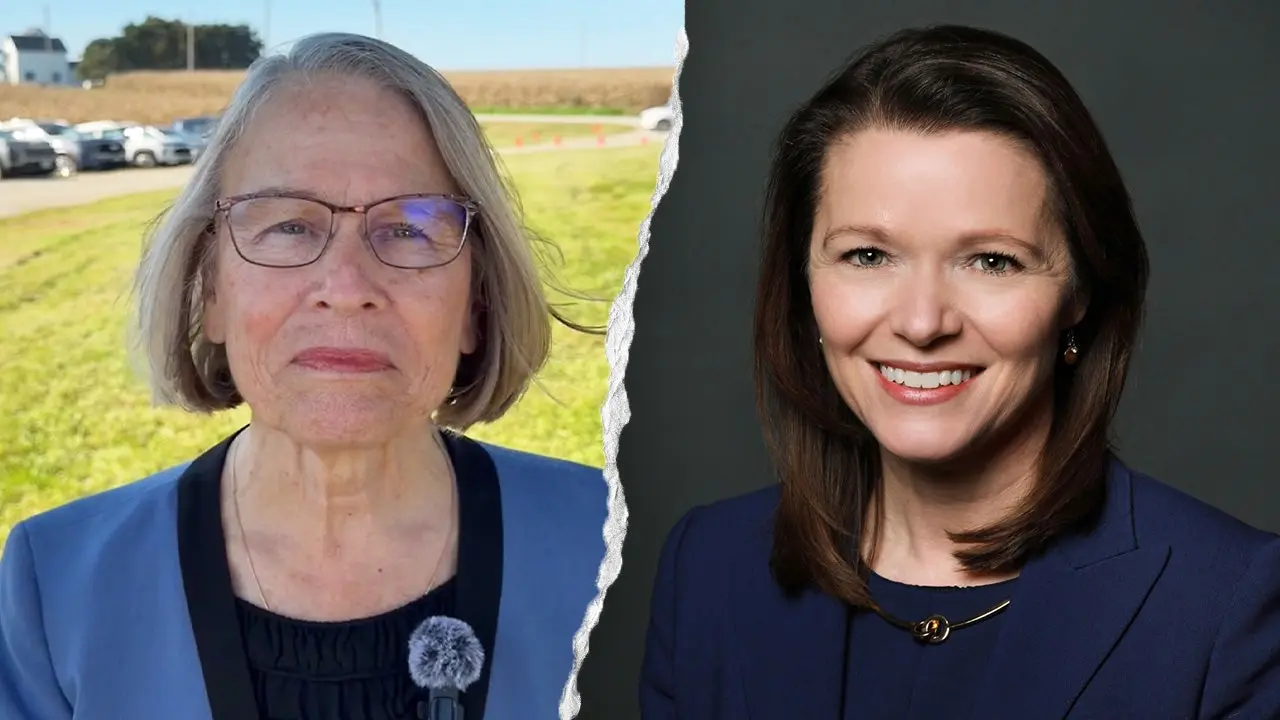
The rolling cornfields and quiet roads of Prairie City, Iowa, don’t look like the front lines of a political war, but in this part of the state, the battle for control of the U.S. House is being fought one handshake at a time. Republican Representative Mariannette Miller-Meeks sat down with voters at a Department of Agriculture roundtable, listening to farmers talk about regulations, trade, and the price of fuel, before making her case to Fox News Digital about why she should keep her seat. She frames the choice before voters in stark, blunt terms that sound more like a barstool conversation than a campaign speech: “Common sense over crazy. This is just common sense over crazy communism.” That’s how she describes her opponent, former Democratic state Representative Christina Bohannan, who Miller-Meeks insists is “perfectly in alignment” with the Democratic Socialists of America. The district is rated a toss-up by the Cook Political Report, and with Republicans clinging to a razor-thin House majority, every vote here feels like it could tip the balance of power in Washington. For Miller-Meeks, the path to victory is about reminding Iowans that she’s one of them, not a creature of the Capitol, and that the alternative is a return to policies she believes are out of step with the values of the people who live here.
Miller-Meeks didn’t hold back when describing her opponent’s record in the Iowa House, painting Bohannan as a progressive ideologue who hides her true positions from moderate voters. She accused Bohannan of failing to support law enforcement, dodging questions about open borders, and opposing every tax cut she voted on while in the state legislature. One particular sore spot: Bohannan reportedly called the working family tax cut “dangerous” and wanted to get rid of it entirely, yet her campaign ads now promise tax relief for the middle class. Miller-Meeks also pointed to Bohannan’s support for keeping biological boys in girls’ sports and locker rooms, an issue that has become a flashpoint across the country. To the congresswoman, these aren’t fringe complaints—they’re a checklist of ways her opponent has allied herself with the far left while trying to sound reasonable on the campaign trail. The NRCC has even slapped Bohannan with the label “DEI queen,” a sharp jab meant to tie her to diversity, equity, and inclusion initiatives that have become controversial among conservatives. For Miller-Meeks, the message is simple: Iowans may be polite, but they’re not foolish, and they know the difference between a politician who fights for them and one who fights for a national agenda.
Aside from drawing contrasts, Miller-Meeks spent time touting her own work, and she was eager to talk about tangible results rather than partisan talking points. She spoke about helping bring a massive steel mill to the region, which she says created good-paying manufacturing jobs and gave the local economy a shot in the arm. She also highlighted her efforts on behalf of farmers, particularly her support for ethanol and biodiesel policies that give Iowa agriculture a boost and reduce dependence on foreign oil. Water quality and conservation are also high on her list, issues that resonate deeply in a state where the land and rivers are more than just scenery—they’re a way of life. But her favorite subject is constituent service. She described her approach as getting out of Washington, showing up in Iowa communities, answering questions, and doing the kind of unglamorous work that doesn’t make headlines but does build trust. In a world where politics often feels like a spectator sport, she wants voters to see her as someone who picks up the phone and takes care of problems, whether that’s helping a veteran get benefits or pushing a local project through a mountain of red tape. That’s the kind of representation she says Iowans deserve, and she believes the contrast between her work ethic and her opponent’s record is obvious.
But beyond local issues, Miller-Meeks knows that this election will be shaped by national anxieties. Across Iowa, people are frustrated with the cost of living, the price of gas and diesel, and the feeling that the world is spinning out of control, from wars in the Middle East to instability at the border. She acknowledged those fears but argued that putting Democrats back in charge would only make things worse. She warned that Democratic leaders have already signaled they’d roll back the Trump-era policies she credits with making American energy production stronger and lowering prices at the pump. “There’ll be no relief coming,” she said, predicting that her opponent and her party would undo the gains made on energy independence, manufacturing, and economic growth. She pointed to the early days of the year when gasoline and diesel prices dipped after the United States opened up more domestic energy production, and she argued that if those policies had been in place during the Biden administration, farmers and truckers would have seen even more relief, especially with biodiesel. The congresswoman also promised that Republicans would continue fighting to lower costs on housing, healthcare, and prescription drugs, while pushing for higher wages and more job opportunities. To her, it’s not just about making prices affordable—it’s about making sure ordinary Iowans have the dignity of a good job and a paycheck that actually covers their bills.
Miller-Meeks also turned her attention to a topic that has become a signature issue for her: rooting out corruption and waste in government. She brought up the infamous Feeding Our Future scandal in Minnesota, a massive fraud scheme that siphoned off hundreds of millions of dollars meant for needy children and exposed serious gaps in oversight. In response, she introduced legislation like the Medicaid Whistleblower Protection Act, which would create federal protections for Medicaid workers who report early signs of fraud, and the WALZ Act, named for Minnesota Governor Tim Walz, which would force investigations into any government program that suddenly sees a spike in payments like the ones seen during the pandemic. She framed this work as part of a broader fight against the swamp, promising to continue targeting corruption inside government agencies, Congress, and the administration. For voters who are tired of hearing about scandal after scandal, this message has real appeal. It’s not just about ideology, she argues—it’s about making sure taxpayer dollars are actually spent on the people they’re meant to help, not stolen by schemers and insiders. That kind of accountability, she says, is what good government looks like, and it’s the kind of work she plans to keep doing if voters send her back to Washington.
Of course, Bohannan has a very different view of the race, and she isn’t shy about pushing back on Miller-Meeks’ attacks. In a statement to Fox News Digital, she defended her record and accused the incumbent of being a rubber stamp for the wealthy and powerful. “What’s crazy is pretending to represent your constituents when you’re bought and sold,” Bohannan said, arguing that Miller-Meeks has “sided with drug companies, data centers, billionaires and party leadership at every turn.” She insisted that she would always put Iowa first and framed herself as the true common-sense candidate in the race. This is the third time these two women have faced off, and their rivalry is personal and deeply familiar to voters. In 2024, Bohannan lost by less than a percentage point, a margin so thin that it could have gone either way. Now, with the national environment tilting toward Democrats in a midterm year shaped by President Donald Trump’s approval ratings and lingering economic unease, Democrats believe they have a real shot at flipping this district. But Miller-Meeks remains confident, betting that Iowans will reward her record of service, her focus on pocketbook issues, and her promise to stand up to a Democratic Party she believes has gone too far left. In the end, this race is a microcosm of the fight for the House itself—two women, two visions, and a few thousand undecided voters who will decide which direction the country takes.