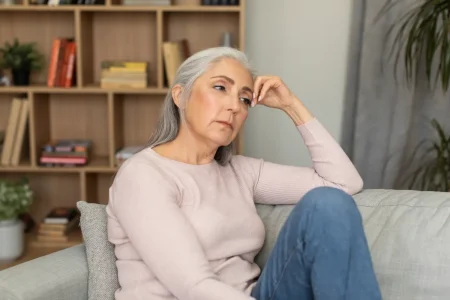




At eighty years old, a man who has spent nearly six decades building a life with the woman he loves now finds himself standing at the edge of a very different kind of commitment—one he never expected and feels unprepared to face. He describes himself as blessed to have been married to an amazing lady for fifty-seven years, a woman he loves “to death,” someone who endured his flaws and stood beside him through all the ordinary and extraordinary seasons of life. He is deeply grateful for her, and now that the tables have turned, he feels he is falling woefully short. His wife has been diagnosed with mild cognitive impairment, a condition that has slowly been stealing the sharpness of her mind and the independence she once had. The heartbreak is compounded by a family history steeped in the same cruel disease: her mother died from complications of dementia, as did her older brother, and his own mother suffered from it too. For years, they lived far away from these relatives, so they only witnessed the aftermath, not the daily grinding anguish that caregivers endure. Now that he is living it himself, every small loss—every forgotten word, every confused moment, every shattered reminder of what used to be—feels like a weight he cannot carry alone, and yet he is essentially carrying it alone.
The practical burdens of caregiving have quietly consumed his life, turning what should be a season of shared contentment into a routine of survival. His wife can no longer be trusted behind the wheel of a car, a truth that was driven home when she totaled her vehicle a few years ago. That loss of mobility has made him the sole driver, the one who shuttles her to doctor appointments, runs every grocery errand, and keeps the household standing. Alongside the dementia, she has developed hoarding behaviors, refusing to throw anything away, filling their home with objects that hold meaning only to her. When he gently suggests hiring help, she reacts as if he is throwing her out onto the street, and the very conversation creates a chasm of fear and misunderstanding between them. He has no friends and very few acquaintances; the endless cycle of shopping, repairing, driving, and worrying leaves no room for friendship or rest. He even joined a fitness gym hoping to rebuild some strength and sanity, but he has only managed to go twice. The isolation is enormous. His wife’s two sisters live hundreds of miles away and are themselves caring for impaired husbands, so they cannot step in. Their three grown sons, though loving, do not fully grasp how serious their mother’s decline has become, and only two live within an hour’s drive. For her sake, he believes, his options are not good, and he is left bewildered in Texas, trapped between devotion and exhaustion.
Abby’s answer to this man is both compassionate and urgently practical, and her first words are a lifeline: if you do not take care of yourself, there will be no one left to take care of your wife. She speaks directly to the guilt that so many caregivers carry, the feeling that any act of self-care is a betrayal of the one they have promised to protect. Abby reframes the situation, insisting that hiring help is not optional, regardless of how his wife feels about it. A stranger in the house may feel like an invasion, but it is also a bridge to survival. She urges him to have someone come in at least a few times a week so he can go grocery shopping, sit in a quiet corner of a coffee shop, or finally use that gym membership he paid for. A stronger body, she reminds him, means a stronger caregiver, and a caregiver who takes a moment to breathe is a caregiver who can keep giving. She then points him to the Alzheimer’s Association, to alz.org, and to a twenty-four-hour helpline, telling him that there are resources he may not know about, support groups, respite care, strategies, and people who understand. He has more options than he thinks, and the first option is to stop disappearing into the role of caretaker and start seeing himself as someone worthy of care too.
Beneath the practical advice lies a deeper truth that any loved one of someone with dementia will recognize: the grief of watching a person fade while still standing beside them. This man’s wife is not gone; she is still there, still the woman he loves, but the disease warps her perception and makes her fearful and guarded. When she hoards, she is trying to hold on to pieces of a world that feels increasingly uncertain. When she resists help, she is fighting to preserve her dignity and her sense of home. He understands this, which is why he hesitates, why he tolerates the isolation, why he keeps trying to manage on his own. But love sometimes means making decisions that feel cruel in the moment to protect someone in the long run. The two of them are partners in a long and difficult dance, and her memory may not hold every step, but the rhythm of their devotion remains. His sons, who live close enough to help but far enough to be deceived by brief visits, may not see the severity because their mother still lights up when they arrive. This man, though, sees the midnight confusion, the piles of objects, the fear in her eyes when he mentions change. It would be easy for him to become a martyr, to sacrifice every shred of his own health and happiness, but Abby’s words are a reminder that martyrs do not make good caregivers. If he collapses, she collapses with him. Finding help is not abandonment; it is the most profound expression of love he can offer.
The second letter, shorter but no less human, is a small window into how even minor irritations can strain a long relationship when they are repeated daily. A wife writes that her husband yawns loudly, over and over, while they watch television together in the evening. She has asked him to please be quieter, but he becomes annoyed at the request and continues to yawn loudly many times throughout the day. She feels blasted out, worn down by what seems like a rude and deliberate performance. Abby gently suggests that his excessive yawning may have nothing to do with rudeness at all. People yawn loudly and repeatedly when they are not getting enough oxygen, or when they suffer from sleep apnea, a condition that can disrupt rest in ways that leave a person exhausted without knowing it. She doubts he is doing it simply to annoy his wife, and she advises that he mention the yawning to his physician, because it might be a sign that something needs to be checked out. This simple answer quietly reframes the conflict: instead of a battle between spouses, it becomes a health mystery. It asks the wife to consider whether her husband’s behavior is not an insult but a symptom, and it invites both of them to move from annoyance to curiosity. It also humanizes the husband, who may be genuinely unconscious of the sound he makes, or who may be struggling with sleep he does not realize he is losing.
Taken together, these two letters reveal something essential about care and companionship. In one case, an entire life has been upended by a devastating illness, and an elderly husband is drowning while trying to keep his wife afloat. In the other, a wife is irritated by a nighttime habit that gets under her skin, and the answer may be as simple as a doctor’s visit and a deeper breath. Yet both are stories about the ordinary vulnerability of human relationships, the way love and frustration can coexist in the same heart, and the importance of seeking help before resentment or exhaustion takes over. The Texas man needs larger help than he thinks he can accept; the Idaho wife needs to soften her understanding of her husband’s body. In both cases, the path forward is not to suffer in silence but to speak, to ask, to reach out to professionals and to hold on to compassion. The human heart is resilient, but it is not meant to bear every weight alone. Whether the burden is as immense as dementia or as small as a loud yawn, care requires patience, humility, and the courage to ask for another perspective. And perhaps the most human thing of all is this: when we are tired, worried, or hurting, the smallest annoyances can become enormous, and the offer of help can feel like the most beautiful gift in the world.