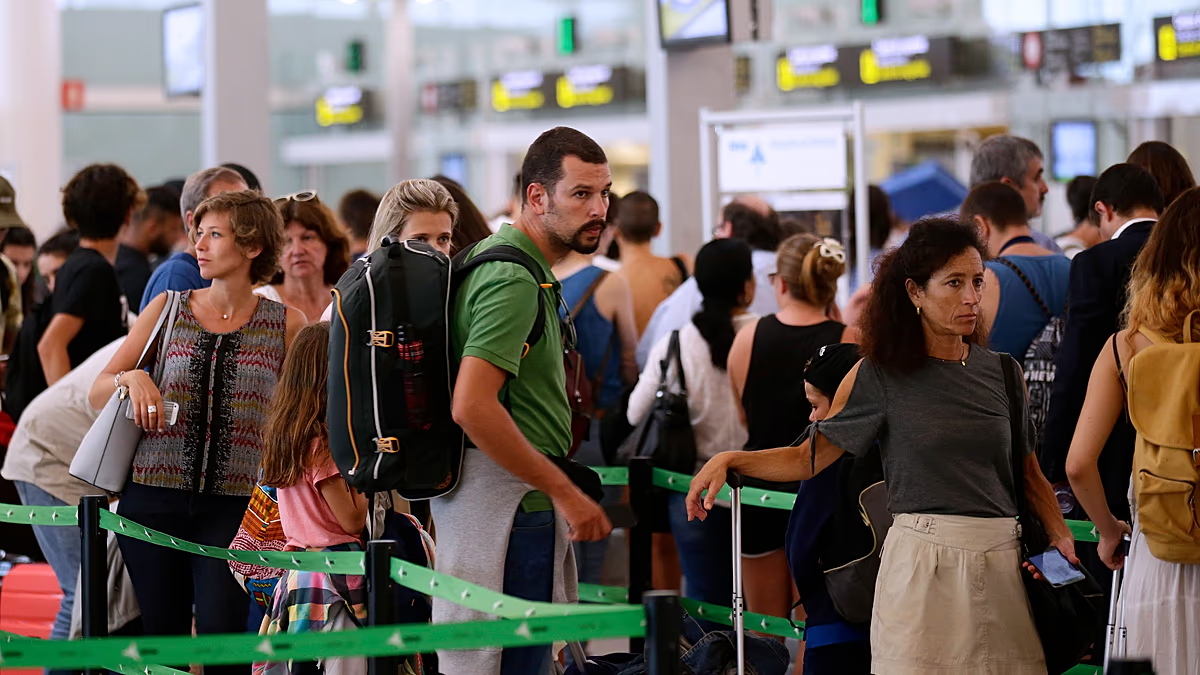



It is a peculiar kind of torture reserved for the modern traveler: standing at a gate, staring at a glowing screen that neatly displays your flight’s descent into chaos. The numbers shift, the status changes from “On Time” to “Delayed” and then, with a cruel finality, to “Canceled.” You feel the collective groan ripple through the terminal as hundreds of strangers realize their carefully constructed itineraries, their weddings, their funerals, their honeymoons, and their business deals have just been upended by a string of airline software upsets or a sudden, violent thunderstorm. The summer of 2026 has become a brutal masterclass in this specific form of air-travel anxiety, as airports across the United States have turned into giant roulette wheels where punctuality is rarely the winning number. While the corporate executives at airlines talk about capacity and profitability, the ground-level reality for passengers is one of overflowing carry-on bins, exhausted gate agents being screamed at for information they simply do not have, and the pervasive, gnawing feeling that the system has fundamentally broken. The statistical confirmation of this nightmare arrived recently from flight-tracking data, painting a picture of an industry that is struggling to keep up with the sheer volume of passengers and the fickle whims of an increasingly volatile atmosphere, marking 2026 as a year that will be remembered not for its air travel triumphs, but for its extensive, widespread turbulence.
When it comes to the absolute heartbreak of a canceled flight, the numbers tell a sobering story of an industry slipping backward. Cancellations by U.S.-based airlines have surged by a staggering 15% compared to the summer of 2025, reaching a dismal four-year high that aviation authorities had hoped was a relic of the pandemic era’s staffing crunch. While a 2% overall cancellation rate for the year might sound mathematically inconsequential at first glance, in human terms, it translates to roughly hundreds of thousands of stranded souls across the nation. This isn’t just a statistics sheet; it is a visual of families sprawled across airport concourses, cradling sleeping children on duffel bags, and the crushing disappointment of watching a reunion slip away by twenty-four hours. The east coast bore the brunt of this particular failure. New York’s LaGuardia Airport, often lauded for its glittering new terminals, earned the unwanted distinction of being the cancellation capital of the country, with a staggering 6.5% of its scheduled flights simply vanishing from the board. It doesn’t take a data scientist to understand the devastating ripple effect of that number: one canceled flight at LGA forces a domino effect that delays crews, planes, and passengers at Boston, Chicago, and Dallas for days afterward. Just a short train ride south, Washington D.C.’s Ronald Reagan National Airport followed suit with a heartbreaking 5.8% cancellation rate, while the sprawling international gateway of JFK rounded out the top three with 4.2%. For those caught in this maelstrom, the vague airport announcements blaming “weather” or “air traffic control” ring hollow when they see blue skies outside, knowing that the real culprit is often a broken scheduling matrix that leaves no slack for disruption.
If cancellations are the sharp knife that severs your travel plans, then delays are the dull, grinding ache that slowly erodes your sanity, and the western half of the United States has suffered a prolonged bout of this particular misery. While California airports somehow avoided the cancellation catastrophe, they became champions of tardiness. San Diego International Airport, normally a breezy, sun-soaked gateway to the coast, found itself ranked third among the worst airports in the entire nation for delays, watching 33.6% of its flights push back from the gate well past their scheduled time. San Francisco International wasn’t far behind, taking the fourth-place spot with 32.1% of flights experiencing delays. Even though these numbers are marginally better than the worst offender, the daily grind of waiting becomes an exercise in emotional endurance. Sitting on a tarmac in SFO, staring at a line of planes queued up on the taxiway, wondering if you will make your connection in Denver, is a special kind of modern hell. The palm for the most dethroned schedule, however, goes to the music city itself; Nashville International Airport held the unenviable title of the worst delay rate in the country, with a jaw-dropping 35.3% of flights failing to leave on time. This problem is exacerbated by the rapid growth of these secondary hubs—they are bursting with new routes and packed planes, yet their infrastructure (both on the ground and in the sky) has not caught up to the volume, leading to gridlock that frustrates even the most zen traveler.
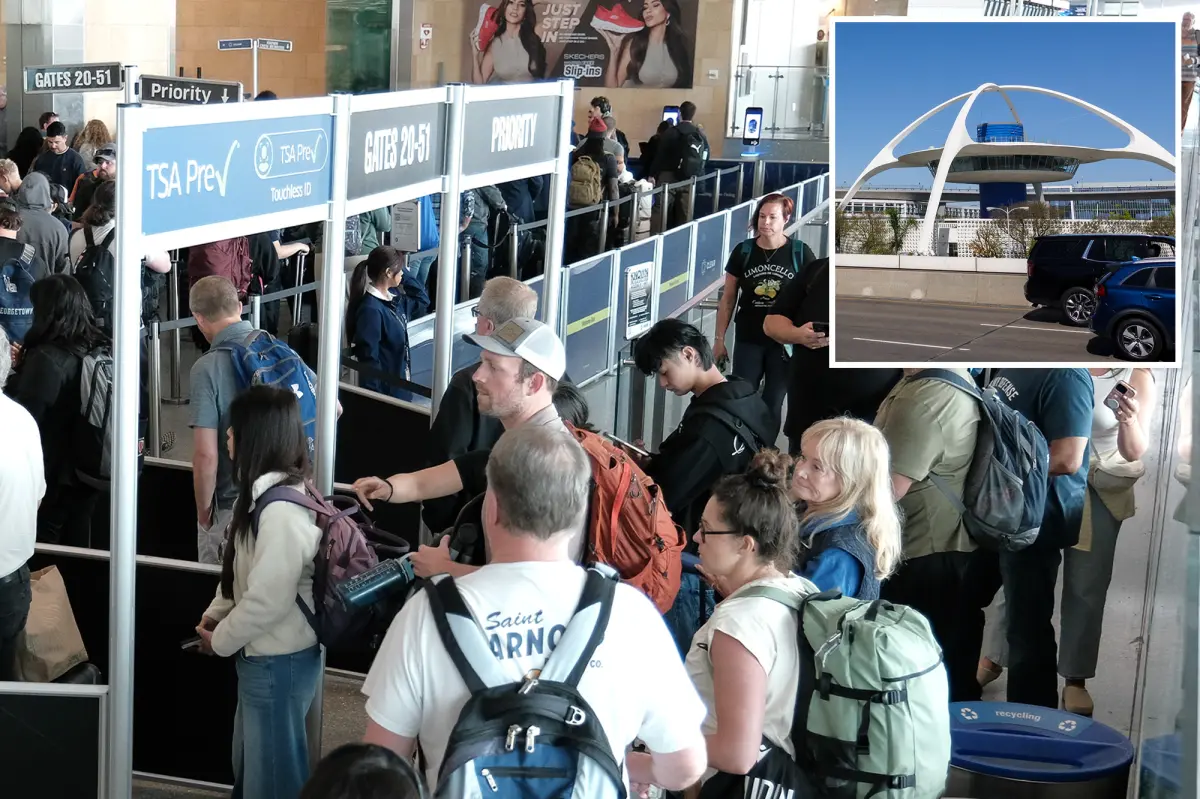
Yet, amidst this sea of logistic despair, there are shining lighthouses of reliability proving that the miracle of flight can still run smoothly. For those weary Californians, there is a silver thread to grasp: Los Angeles International Airport, that sprawling, congested behemoth of logistics, defied the national trend and claimed the fourth-best on-time record in the entire country. An impressive 78% of flights departed LAX exactly as the schedule decreed, a testament to improved ground crew coordination and well-managed gating. But the true gold medal for punctuality went to the scenic Salt Lake City International Airport in Utah, which soared above the rest of the nation with a spectacular 82% of its flights leaving on time. This success is not merely accidental; it is a result of airport design, geographic luck, and operational culture. SLC is a modern airport with abundant gates and taxiways that avoid the bottlenecks of coastal airports. Furthermore, the skies over Utah rarely experience the malevolent summer thunderstorms that plague the East Coast or the persistent marine layer fog that blankets San Francisco. This consistency provides a sense of calm for passengers flying through the Rockies; boarding a Delta flight in Salt Lake feels like stepping into a time capsule where the 1980s era of air travel reliability still exists. While these airports haven’t solved the national crisis, they prove that with proper investment and proactive management, a schedule is not merely a suggestion, but a promise that can actually be kept.
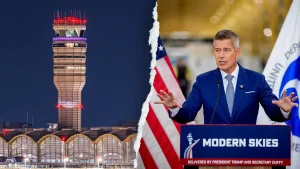
Digging beneath the surface of these frustrating statistics reveals a systemic fragility that no amount of passenger politeness can fix. The summer of 2026 has not just been plagued by typical weather; it has been hindered by a dangerously aging infrastructure and a catastrophic failure of digital nerves. Earlier in the month, a massive communications system outage sent the entire network into a tailspin, forcing the cancellation of over 1,000 flights in a single day—a glaring reminder of how the entire delicate ecosystem operates on a knife’s edge. The air traffic control system, while still the safest in the world, relies on a patchwork of radar and communication protocols that are struggling to handle the sheer volume of modern air traffic. Recognizing this, the Department of Transportation has finally drawn a line in the sand. Transportation Secretary Sean Duffy and the FAA have just announced the rollout of a revolutionary new software designed to predict potential delays before they even begin, using advanced algorithms to anticipate weather patterns, airspace congestion, and gate availability. This tool, which will first be deployed in the high-traffic Washington, D.C. corridor, promises to give air traffic controllers and airlines a coordinated head start, allowing them to stagger departures more effectively instead of reacting in a frantic scramble after delays have already spiraled out of control. While this technological advancement offers a glimmer of hope, it is a starting point in a long journey—a little patching on a colossal ship that still needs dry docking to truly be rebuilt for the demands of the 21st-century traveler.
In the end, the story of summer air travel in 2026 is a deeply human one, characterized by resilience in the face of institutional friction. As the busy fall season approaches, the data suggests that we are all bound to experience a mix of exemplary punctuality and infuriating stoppages. Passengers have learned to adapt to this new reality, downloading a patchwork of apps, booking morning flights to mitigate the accumulation of afternoon delays, and perhaps foolishly, praying to the weather gods. But the deeper truth is that we continue to fly because staying grounded is not an option. We accept the physical discomfort of a cramped seat and the emotional whiplash of a delayed departure because the connection to family, to opportunity, or to a new horizon makes the gamble worthwhile. The aviation industry is now at a crossroads: it can continue to thrash in the currents of disrupted schedules, or it can fully commit to the modernizations that this new software promises. For now, as the airline executives crunched the numbers, the weary road warrior knows the golden rule: bring a fully charged battery, pack a sweatshirt, and never forget that the only thing you truly control is your own expectation. The skies may be bumpy, and the screens may lie, but the journey—remarkable and frustrating as it is—remains a miracle we all take for granted until it is stripped away.