

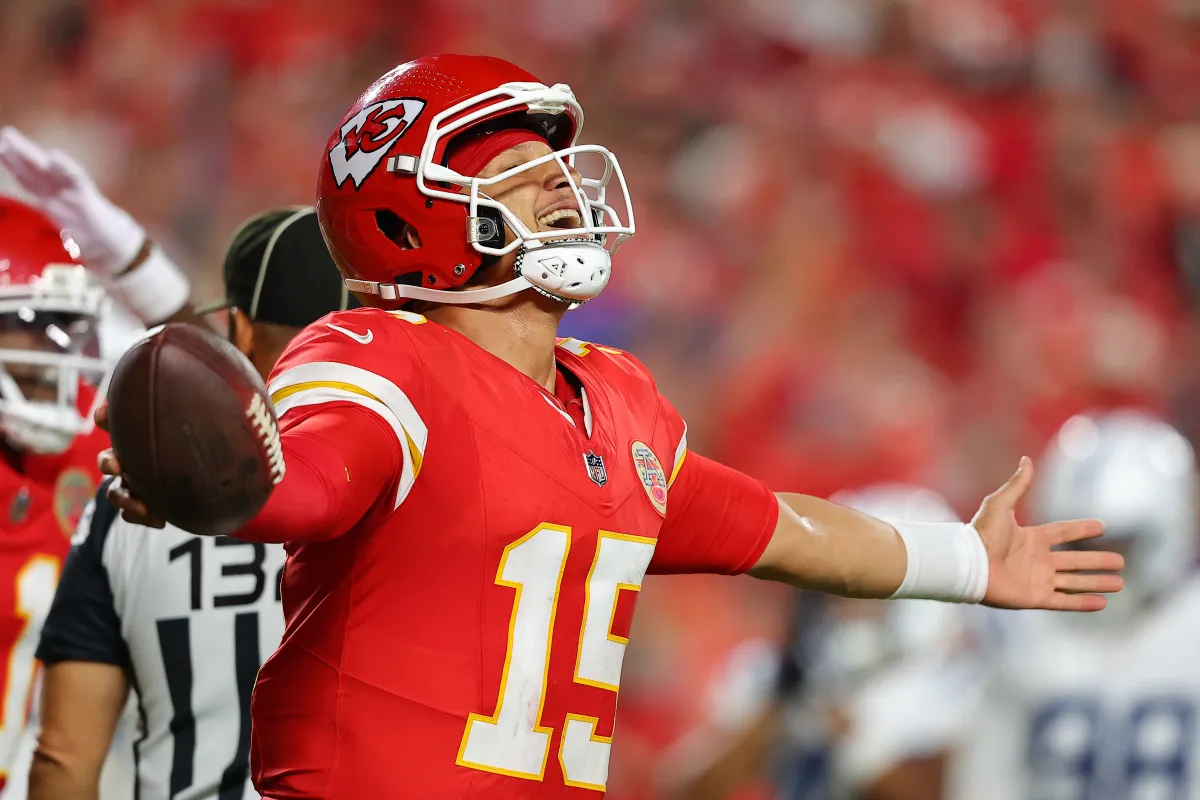
The Kansas City Chiefs and Indianapolis Colts gave the NFL a Sunday Night Football classic that nobody saw coming in quite this form. Arrowhead Stadium was a living creature that night, a roaring ocean of red jerseys and clattering noise, and from the opening kickoff it felt like something important was about to happen. The Chiefs arrived with all the confidence of a team that has become the standard-bearer of the AFC, led by Patrick Mahomes, a quarterback who has made impossible plays look routine for years. The Colts arrived with a quieter kind of belief, a team that knew it had nothing to lose and everything to prove. Daniel Jones, the much-maligned quarterback who had been written off by so many, played with a fire that silenced his critics, at least for one night. What followed was more than a football game. It was an emotional rollercoaster, a test of nerves, a reminder that the margin between victory and defeat in the NFL is thinner than a replay frame. By the time regulation ended with the score tied at 27, neither team really wanted to breathe. Overtime felt less like a bonus and more like a punishment for two teams that refused to lose. And when the final whistle finally blew, the Chiefs had survived it all, 33-30, but the story was never really about the score. It was about the strange, punishing, beautiful chaos that happens when two desperate teams throw everything they have at each other under the bright lights of prime time.
Overtime started with a coin flip that put the ball in Mahomes’ hands, and for the Chiefs, that is exactly the way they like to begin any extra period. Mahomes walked onto the field with the calm, unhurried confidence of a man who has been in this spot a hundred times. He methodically picked apart the Indianapolis defense, mixing short completions with a few deep shots that made the crowd hold its breath. The drive was not perfect; the Colts bent but refused to break. Still, the Chiefs eventually moved the ball into field goal range, and Harrison Butker stepped in to deliver a go-ahead kick that made the score 30-27. It felt good for Kansas City, but not safe. In overtime, a field goal only gives you a chance to watch the other team respond. The Colts were not done. Daniel Jones, facing the biggest moment of his recent career, dropped back and launched a deep ball downfield toward Laquon Treadwell. Treadwell had been fighting for every inch all night, and when he saw the ball hanging in the air, he timed his leap perfectly and pulled it in for a spectacular catch that sent shockwaves through the Kansas City sideline. The Colts were suddenly within striking distance, and Jones had reminded everyone why he was once drafted so highly. He still has the talent, the arm strength, the willingness to take a risk, and in that moment, he looked like a quarterback capable of stealing a win from a dynasty.
Then came the play that defied every emotional expectation, the moment that turned an already wild game into something truly bizarre. Treadwell, after making his dazzling catch, found himself on the ground with Chiefs defenders swarming. He tried to get up, tried to keep moving, trying to squeeze out extra yardage and maybe even make his way toward the end zone. But as he moved, Chiefs defensive back Nohl Williams reached in and punched the football out of his arms. The ball popped loose, and a Kansas City player recovered it instantly. For a fraction of a second, Arrowhead Stadium exploded in pure, unhinged joy. The Chiefs thought they had won the game. The score was 30-27, and the fumble recovery would have ended the contest right then and there. Players sprinted toward the sideline, helmets flying, embraces exchanged, the whole sideline turning into a celebration. But the officials went to the replay booth, and the stadium video board showed every angle in agonizing slow motion. Was Treadwell down before the ball came out? Did his knee graze the turf at the exact same instant? The answer came back in the most brutal way possible. Treadwell had been ruled down by contact by the slimmest of margins. The ball did not come loose in time. The touchdown-saving, game-winning fumble was erased by a single frame of video, and the Chiefs’ celebration melted into something between disbelief and anger. The Colts, who had been given new life by the replay, did not waste the gift entirely, but they also could not finish the job. They settled for a field goal that tied the game at 30 and reset the stage for one final, unforgettable sequence.
The Colts had a chance to capitalize on their incredible luck, but they couldn’t take full advantage, and now the pressure shifted back to Mahomes. With the game hanging in the balance, he did what he always does in moments like that: he remained calm, he took what the defense gave him, and he moved the Chiefs methodically into position for a game-winning kick. It was not a frantic, desperate march. It was more like a surgeon going to work, each pass a precise cut, each scramble a way to bleed the clock and keep the chains moving. When the Chiefs were finally close enough, Harrison Butker lined up for the kick that would decide the evening. The snap was clean, the hold was perfect, and the ball sailed through the uprights to make it 33-30. The stadium roared, the Chiefs players flooded the field, and the Indianapolis Colts were left standing in stunned silence, wondering how a game they had so nearly stolen had slipped away. After the game, Mahomes offered a quote that captured the strange mood of the night perfectly. He admitted that he was actually relieved the fumble call had been overturned. “We had the big play in overtime where we think we stripped the ball,” he said. “I was actually kinda glad, I didn’t want to see Twitter’s reaction if they would’ve called it a fumble.” That moment of honesty humanized him in a way that stats and highlights never could. Here was the most famous quarterback on the planet, a man who holds the weight of a franchise on his shoulders, admitting that he cares about how the game is remembered, not just how it ends.
The victory moved the Chiefs to 2-0, but it also revealed how much work remains before they can be considered the untouchable team so many expect them to be. They have developed a worrying habit of falling asleep for stretches, allowing opponents to hang around instead of putting them away early. Against the Colts, the defense made a huge play by punching the ball out, but it also gave up too many big throws and let Daniel Jones look like a star. The offense was explosive in moments but too often stalled in the red zone, settling for field goals when the game should have been locked up long before overtime. Those mistakes are the kind of things that do not show up on the winning side of the scoreboard but will show up eventually against tougher opponents. The schedule is not getting easier. Next up is the Miami Dolphins, a team built on speed, explosiveness, and a quarterback in Tua Tagovailoa who has matured into one of the most accurate and confident passers in football. Miami’s receivers can turn a simple slant into a touchdown in the blink of an eye, and the Kansas City defense will need to be far sharper than it was on Sunday. There is no panic, though. The Chiefs have been through enough battles to understand that early-season struggles often sharpen a team for the playoff grind. They know they are not playing their best football yet. That is both a concern and a source of hope for a franchise that has achieved greatness not by being perfect, but by finding ways to win when everything around them is falling apart.
In the end, this game was about more than the final score or the standings. It was a reminder that football, at its core, is a deeply human sport, full of joy and heartbreak, absurdity and grace. There was Nohl Williams, a young defensive back who made the play of his life, only to have it taken away by a replay review that fell just the other way. There was Laquon Treadwell, an old veteran who made a spectacular catch and nearly watched his team lose on the same kind of play that used to define him, only to be saved by the whistle. There was Daniel Jones, the quarterback everyone had written off, proving that he could still stand in the pocket against a great defense and make the moment shy away from him. And there was Mahomes, the superstar who cares so deeply about the way victory is perceived that he did not want his team to benefit from a questionable call. The Kansas City Chiefs survived because they kept fighting, kept believing, kept trusting that their talent would eventually outweigh their mistakes. They are 2-0, they own one of the most dramatic wins of the season, and they are about to face a Miami team that will test them again. For the Chiefs, this game will not be remembered as a masterpiece. It will be remembered as a warning, a lesson, and a triumph. It will be remembered as the kind of night that proves why the NFL is so often called the league of unintended consequences, where the difference between winning and losing is not just about who plays better, but about who can endure the chaos long enough to find a way home.