


Headline: The Paradox of Progress: How One Region’s Economic Boom Collides with a Devastating Climate Crisis
Subheadline: As investment pours in and skylines rise, a catastrophic Wednesday flood claims over 160 lives, exposing the fragile bargain between growth and resilience.
Byline: Senior Correspondent, Global Affairs Desk
Dateline: REGION — The gleaming new office towers and humming industrial parks tell a story of unprecedented prosperity. The muddy debris fields and the silent, rain-soaked streets tell another. This region finds itself at a harrowing crossroads, experiencing the strongest economic tailwinds of its modern history while simultaneously being battered by the most violent weather systems on record. The contradiction is stark and unforgiving. Just days after economists celebrated record-breaking foreign direct investment, the region was brought to its knees by a catastrophic flash flood on Wednesday, a deluge so powerful it claimed the lives of more than 160 people. The disaster has shattered the veneer of invincible growth, forcing a grim reckoning with the true cost of rapid development in an era of climate instability.
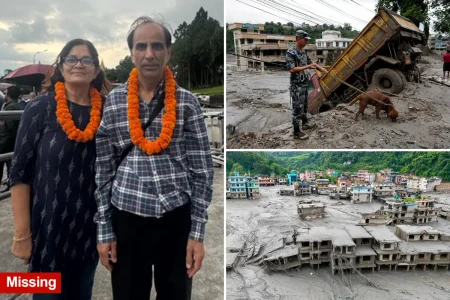
The events of Wednesday unfolded with terrifying speed. What began as a routine seasonal downpour quickly morphed into a wall of water that tore through low-lying communities and business districts with little to no warning. Eyewitnesses described a sudden, deafening roar as torrents of brown water surged through narrow streets, sweeping away vehicles, toppling weakly anchored structures, and inundating homes where families were seeking shelter from the storm. Rescue teams, operating with limited visibility and hampered by severed communication lines, have spent the last 48 hours in a desperate race against time. As of Thursday evening, the official death toll stood at 162, with hundreds more listed as missing. Hospitals, already strained by the region’s rapid urbanization, are overwhelmed, treating those who survived hypothermia, trauma, and waterborne infections. The human toll is a devastating counterpoint to the bullish economic reports that dominated local news just last week.
This juxtaposition of boom and disaster is not merely a matter of unfortunate timing; it is deeply systemic. For the past decade, this region has been the darling of global investors, lured by favorable tax incentives, a young workforce, and strategic logistics links. The gross domestic product has grown by an average of seven percent annually, outpacing most of the developed world. New highways, airports, and energy grids have been constructed to support the influx of manufacturing and tech giants. However, this rapid horizontal expansion has come at a significant environmental cost. Wetlands that once acted as natural sponges for storm surges have been drained and paved over to make way for industrial parks. Hillsides have been stripped of vegetation for real estate development, leaving loose soil primed to become mudslides. In the rush to deliver economic returns, investment in climate-resilient infrastructure—such as upgraded drainage systems, flood barriers, and early-warning networks—has lagged dangerously behind.
Wednesday’s flood highlights a growing global reality: the countries and regions experiencing the fastest economic growth are often the most vulnerable to extreme weather events. The very factors that attract investment—geographic location, abundant land, and connectivity—often align with high-risk climate zones. This creates a “growth trap” where short-term economic imperatives override long-term sustainability. Economists point out that the recovery cost from this single flood will likely erase a significant portion of the region’s annual fiscal surplus. Infrastructure damage is estimated to be in the billions, insurance claims are expected to surge, and productivity is expected to stall as businesses closed their doors to assess the damage. The stock market, which had been riding a wave of optimism, reacted with immediate volatility, signaling that investors are beginning to price in climate risk as a serious threat to profitability.
The human geography of the crisis reveals a deepening inequality. The flood did not discriminate by social class in its violence, but it has certainly discriminated in its aftermath. Wealthier neighborhoods, built on higher ground with modern reinforced concrete, experienced manageable water damage. The hardest-hit are the informal settlements and lower-income districts that hug the riverbanks and the lowest-lying terrain. For these residents, who work in the factories and service sector that fuel the boom, the flood has wiped out everything. Their homes, often constructed of substandard materials, were obliterated. Their savings, held in cash, were washed away. With no insurance and little state safety net, the path to recovery is not a matter of weeks, but of years. This disparity threatens to unravel the social fabric, creating a class of climate refugees within the region’s own borders, even as the upper echelons of society plan reconstruction.
In the wake of the disaster, the political and economic rhetoric is shifting. Local officials are facing intense pressure to declare a state of emergency and forgo the ribbon-cutting ceremonies for a more somber assessment of planning laws. The central government has been forced to deploy military units to assist with relief and to establish temporary shelters. However, the debate is moving beyond immediate relief toward a fundamental question: Can this region sustain its economic model without a massive investment in adaptation? City planners are now looking at nature-based solutions, such as restoring mangroves and river floodplains, to mitigate future surges. Business leaders, fearful of further disruption, are beginning to demand stricter building codes and a national infrastructure bank dedicated to climate defense. The conversation has shifted from expansion to resilience—a recognition that an economy cannot thrive if it can be halted by a single storm.
As the waters finally recede, the mud-caked streets of the region’s commercial heart reveal the true cost of progress. The cranes that dominate the skyline stand silent, their operators gone to dig for survivors. The 160-plus victims are not statistics; they are the collateral damage of a development model that failed to protect its people. The path forward demands a difficult balance: maintaining the economic dynamism that lifts millions out of poverty while fundamentally recalibrating how that growth is achieved. The region stands as a planetary test case. If it can rebuild stronger, smarter, and more inclusively, it may provide a blueprint for the rest of the world. If it fails, it will serve as a somber warning that economic triumph without ecological and social resilience is a hollow victory, one that can be erased by a single, devastating Wednesday.