


Here is a summarized and humanized exploration of the “quietcation” trend and the world’s quietest islands, expanded into six detailed paragraphs.
The Modern Quest for Silence
In an era defined by relentless digital pings, traffic hum, and the constant white noise of urban life, a profound shift is taking place. Americans are increasingly trading the crowded, vibrant hotspots for the hushed embrace of nature. More than half of US travelers (56%) now express a powerful desire to escape into the wilderness, actively seeking what experts call a “quietcation.” This isn’t just about avoiding crowds; it’s a deep psychological need to reset. The proof lies in the data: global Google searches for “quiet destinations” have skyrocketed by an astonishing 1,268% year over year. We are exhausted, overstimulated, and craving a reconnection to something fundamental. This isn’t a luxury trip; it’s a modern form of self-preservation. As humans, we are wired to respond to the rhythm of the waves and the whisper of the wind, not the relentless clatter of machinery and screens. The “quietcation” represents a conscious rejection of the noisy, chaotic world and a deliberate return to spaces where the volume of life is turned down to a gentle hum, allowing our minds to slow, our breathing to deepen, and our thoughts to finally catch up with us.
Defining the Perfect Soundscape
But what actually constitutes a truly “quiet” place? It’s more nuanced than simply being far from an airport. Silence researchers, like Olga V. Lehmann, emphasize that low decibel levels are just the baseline; the true quality of rest comes from the nature of the sounds we hear. A quiet space isn’t silent, but rather absent of human-caused, unwanted noise. It’s the rustling of leaves, the distant call of a bird, and the gentle lapping of water against a shore. To quantify this, BookRetreats—a wellness travel platform—indexed 100 island locations globally, applying a strict standard akin to that of the European Environment Agency. They scored each island on six specific, weighted criteria: abundance of lush nature, scarcity of paved roads, minimal local air traffic, uncrowded shorelines, dark and clear night skies for stargazing, and untouched natural coastal features. This isn’t just about finding solitude; it’s about identifying destinations where the ecosystem remains the dominant voice. The most successful islands aren’t just undeveloped; they are actively protected, ensuring that the soundscape remains a symphonic score of nature, orchestrated for the benefit of both the resident wildlife and the weary human visitor seeking ultimate restoration.
The Global Champion: Stewart Island, New Zealand
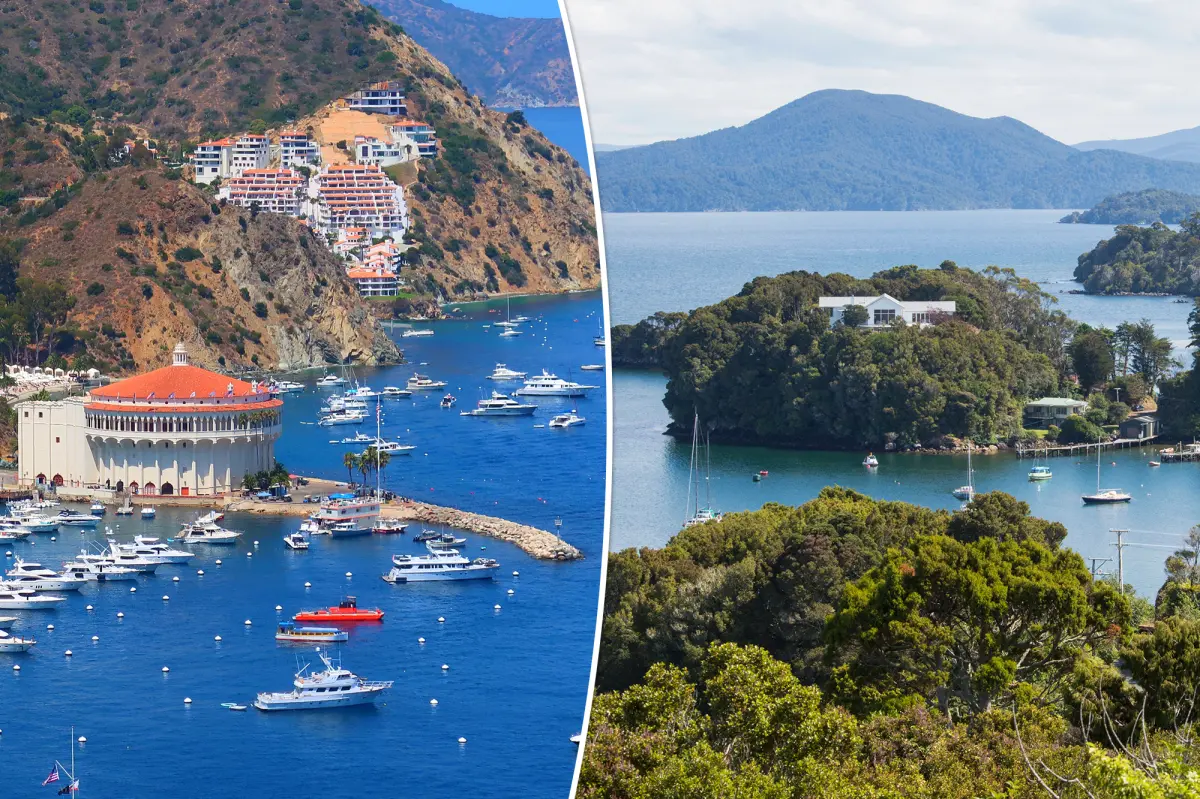
Taking the top honors on this global list is Stewart Island, New Zealand—a place where the wilderness simply refuses to be tamed. For those who make the journey, the reward is an unmatched, raw isolation that feels like stepping back in time. It’s a landscape where native evergreen forests cloak rugged peaks, and the only sounds are the calls of an astonishing array of indigenous birds, including the iconic kiwi, which freely roam the island. The lack of development is striking; there are no overwhelming commercial hubs, just a few scattered settlements that exist in harmony with the environment. Here, the absence of traffic and industry isn’t a lack of amenities, but a profound presence of peace. The ranking acknowledges that true rest comes from a location where human interference is minimal and the night sky remains unobscured by light pollution—a chance to look up and see the Milky Way sprawled across the cosmos. It’s a place where you go not to see sights, but to simply be. The experience is transformative, forcing a disconnect that allows the nervous system to untangle, proving that the ultimate luxury is no longer a five-star hotel, but a star-filled sky heard in absolute silence.
California’s Hidden Gem: Catalina Island
While remote Pacific islands might seem like the only answer, the list reveals that proximity to metropolises doesn’t preclude serenity. Catalina Island, a mere 76-square-mile speck of rugged beauty just an hour’s ferry ride from the bustling harbor of Long Beach, California, cracked the top ten. Nicknamed both the “Caribbean of California” and the “Amalfi Coast of Orange County,” Catalina offers a jarring yet delightful contrast between the mainland’s chaos and its own laid-back rhythm. Its main town, Avalon, sits in a stunning crescent-shaped bay, characterized by steep, dramatic cliffs, color-drenched Mediterranean-style villas, and the mild, sunny climate that lured Hollywood’s elite in the 1930s and 40s. But the true magic lies in its unseen half. Over 88% of the island is protected by the Catalina Island Conservancy, scoring an impressive 90 out of 100 for naturalness. This protection means that vast rugged interior remains wild and pristine, home to a fascinating menagerie, including a herd of wild American bison, island foxes, and majestic bald eagles. The ultimate humanizing quirk here is the transport system: there are no main roads and cars are strictly limited, with a waiting list for vehicles lasting an astonishing 25 years. Instead, residents and visitors alike navigate the island by foot, bicycle, or charmingly slow golf carts. This enforced pace of life necessitates a quiet, contemplative movement, where the surrounding marine life—dolphins, seals, and schools of flying fish—becomes the primary entertainment, reminding us that slow living is the key to true escape.
The Quiet Contenders Across the Globe
Beyond the top spot, the list of the quietest islands reads like a traveler’s dream of hidden retreats across the seas. Ranking second globally and first in Europe is Anafi, a small, rugged Greek island in the Cyclades. Unlike its more famous, crowded neighbors like Santorini, Anafi offers a stark, breathtaking beauty—whitewashed houses clinging to arid hillsides, an unhurried pace, and a profound sense of calm that feels entirely authentic. Taking the third spot is Brazil’s Ilha Grande, a densely forested island off the coast of Rio de Janeiro, which has transformed from a former leper colony and prison into a pristine tropical sanctuary with zero cars and a network of hiking trails leading to untouched beaches. Australia enters the list at number four with Lord Howe Island, a crescent-shaped volcanic remnant in the Tasman Sea, where visitor numbers are strictly capped at 400 at a time to preserve its delicate ecological balance, offering world-class snorkeling in lagoons without the crowds. Finally, St Martin’s, the third-largest of the UK’s Isles of Scilly, claims the fifth spot. With its windswept landscapes, white sand beaches, and lack of commercial development, it offers a starkly isolated, Atlantic-battered beauty. Each of these islands shares a common thread: a commitment to preservation over profit. They are not easily accessible, and they do not offer a sprawling nightlife. Instead, they offer the rarest commodity on Earth—an ecosystem where humans are merely guests, invited to listen to the natural world without imposing their own soundtrack upon it.
Redefining Luxury in a Noisy World
Ultimately, the rise of the “quietcation” and this ranking of the quietest islands marks a profound cultural redefinition of luxury. We have reached a saturation point of information and stimulation, and we are paying the price mentally and physically. The gold standard of a vacation is no longer about how much we can see and do, but about how deeply we can relax and disconnect. These islands—from the isolated forests of New Zealand to the protected hillsides of Catalina—aren’t just destinations; they are sanctuaries for the soul. They remind us that silence is a finite resource, one that must be consciously sought out, preserved, and cherished. The low cost of access to a remote beach, the absence of a car horn, and the presence of a dark sky are now the most opulent features a travel destination can offer. The search for quiet is a search for our own humanity, a way to strip away the non-essential and rebuild ourselves from the ground up. It’s a journey back to a place where the loudest sound is our own heartbeat, and the most important agenda item is simply watching the sunset without checking our phones. In a world that constantly demands our attention, the ultimate act of self-care has become the deliberate choice to turn off the noise and simply listen to the earth.