


Autumn is almost here, and with it comes one of nature’s greatest gifts: leaf-peeping season. This is not the creepy kind of peeping—forget binoculars aimed at windows. This is the glorious, wholesome ritual of watching mountains and forests burst into color. Across the country, trees will soon trade their steady summer greens for blazing reds, vivid oranges, and buttery yellows. The sun gets lower, the air gets crisper, and suddenly every country road looks like a postcard. Now is the time to get ready. Fall foliage can begin appearing as early as September, and the window at peak color is often shorter than you think. The timing is driven largely by two things: elevation and location. Higher elevations cool down earlier, so their leaves turn first, while more northerly states jump ahead of the South. But weather is the wild card. Temperature swings, rainfall, and early cold fronts can shift peak color by days or even weeks from one year to the next. That unpredictability is part of what makes leaf-peeping so exciting—it’s a date with nature that keeps you guessing. It also means you need to stay flexible and check forecasts as the season approaches. The good news? The color doesn’t happen everywhere at once. It moves gradually, like a wave rolling from north to south and from mountain peaks down to valleys. For that reason, the Southern Appalachians are especially blessed, hosting one of the longest leaf-peeping seasons in the country. From misty mountain mornings to golden October afternoons, there’s plenty of time to catch the magic. Whether you dream of driving through New England, hiking the Great Smoky Mountains, or simply exploring a nearby park, the secret to a successful foliage trip is timing. You don’t want to arrive too early and see mostly green, or too late and find bare branches. The best approach is to pick a destination, learn its typical peak window, and then keep an eye on local foliage reports as autumn progresses. With a little luck and a flexible schedule, you’ll find yourself surrounded by color that looks almost too bright to be real.
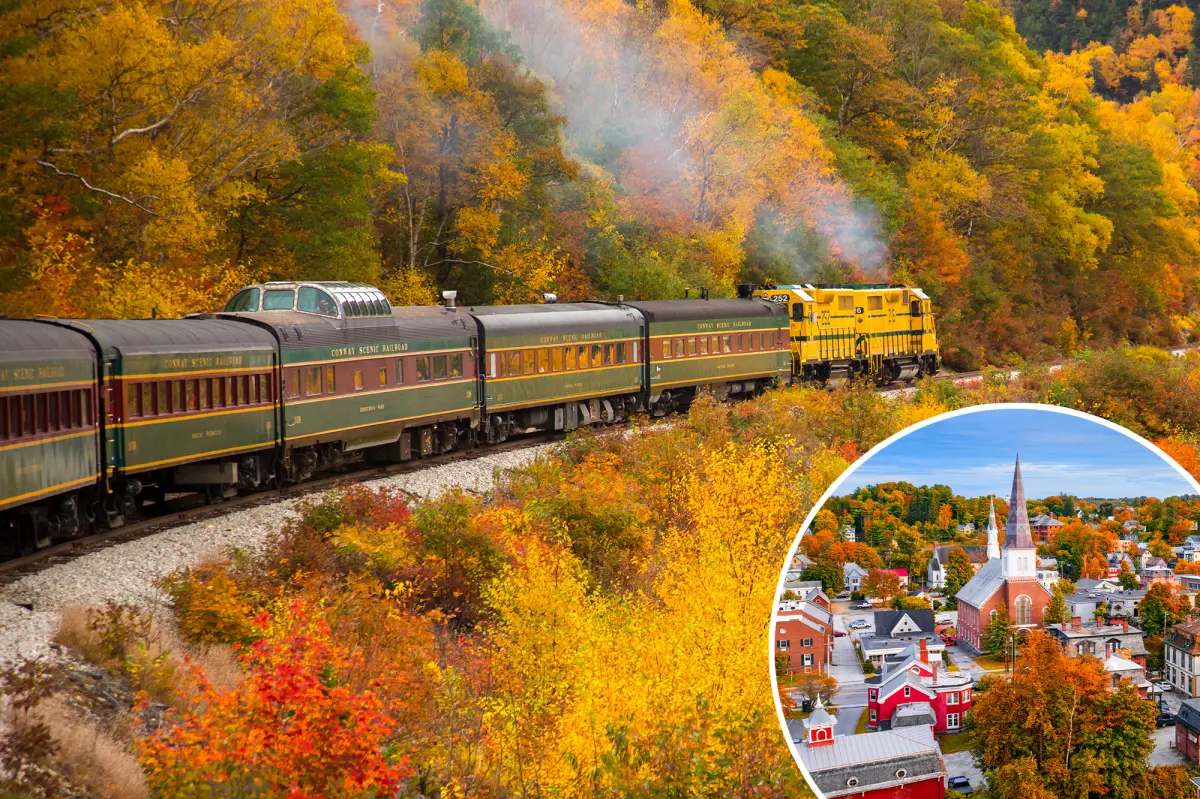
New England has long been the poster child of fall foliage, and for good reason. The Northeast is usually one of the first regions in the country to hit peak color, and its vast forests turn into a patchwork of crimson, amber, and rust that feels almost overwhelming. Maine, New Hampshire, and Vermont are the big names here, each offering a slightly different version of autumn perfection. According to the Farmer’s Almanac, Maine’s foliage timing has remained remarkably consistent for decades. The leaves typically begin changing in late September and can stay vibrant through mid to late October, which gives visitors plenty of time to explore. The state’s rugged coastline, white clapboard towns, and dense woods combine to create some of the most photographed fall scenes in America. New Hampshire follows a similar rhythm, with leaf-peeping season running from late September through mid-October. The transformation starts in the far north, in the Great North Woods, then sweeps south across the White Mountains and down to the Monadnock Region. If you’re looking for a drive that captures the whole experience, the Kancamagus Highway is legendary. Winding through the White Mountain National Forest, this scenic byway treats travelers to mile after mile of color, with overlooks that make you want to pull over and just breathe. Vermont, meanwhile, is a storybook version of autumn. Foliage begins changing in late September and continues into mid-October, and the Green Mountain National Forest is a must-see. Route 100, a winding road that slices through the heart of the state, is one of the best ways to experience Vermont’s famous sugar maples, covered bridges, and charming village greens. What makes New England so special is not just the intense color, but the entire atmosphere—apple orchards, hayrides, wood smoke in the air. It’s the kind of place where fall feels like a holiday in itself.
After New England has had its moment, the leaf-peeping parade marches south into the Mid-Atlantic, where New York, Pennsylvania, and Virginia take center stage. New York’s season kicks off in the Adirondacks in late September, then gradually spreads down through the rest of the state throughout October. In some years, the colors manage to linger into early November, offering a long tail of beauty for those who plan a later trip. The Adirondacks are particularly stunning because the mountains rise quickly and the forests feel wild and vast. But even the Hudson Valley and the Catskills can put on a phenomenal show once the color moves south. Pennsylvania is another heavy hitter. Its first fall colors appear in the northern forests and at higher elevations in late September, and then the changing palette spreads across the commonwealth during October. The Pocono Mountains, with their rolling hills and dense woodlands, are a reliable choice, as is the drive through the Delaware Water Gap. Pennsylvania’s mix of farmland and forest makes for classic autumn scenery, especially when morning fog settles in the valleys. Virginia, true to its southern location, peaks a bit later. Leaves generally begin changing in mid-October, and the best displays continue through the end of the month. That makes Virginia an ideal option for those who can’t get away in early October or who want to extend the season. The Blue Ridge Parkway, which runs through Virginia and into North Carolina, is one of the most iconic leaf-peeping routes in the country. From overlooks that seem to stretch forever to hiking trails that tunnel through golden canopies, it’s no wonder people return year after year. What’s lovely about the Mid-Atlantic is its diversity. You can go from the mountains of New York to the rolling hills of Pennsylvania to the southern charm of Virginia, and each place offers its own flavor of autumn. The season here is a bridge between the hard peak of New England and the longer, softer season further south. It’s also forgiving: in most years, you’ll find excellent color somewhere in the region throughout October. So if your schedule doesn’t align with the peak in one state, you can simply head south and catch the wave again.
The Great Lakes and Midwest might not get as much hype as New England, but they’re quiet gems of fall color. The season typically begins in October, though the exact timing varies a lot depending on where you stand. Michigan is a prime example. The first major waves of color appear in the Upper Peninsula in late September, and then the show moves into the Lower Peninsula in early October. The Upper Peninsula is especially beautiful because it’s so remote—miles of forest, rocky shores, and clear lakes reflecting the oranges and reds overhead. In Wisconsin, northern parts of the state can reach peak color as early as late September, while central Wisconsin follows in mid-October. Two of the most beloved destinations are Door County, a scenic peninsula jutting into Lake Michigan, and the Northwoods, where lakes, pines, and hardwoods mix in perfect proportion. Door County has a special magic: small harbors, lighthouses, and cherry trees that turn a brilliant red before dropping their leaves. Minnesota is another excellent choice. The season begins in the north in late September, then gradually moves south throughout October. The North Shore of Lake Superior is a particular favorite, where the big lake’s cool breezes make the hillside maples and aspens glow against a backdrop of deep blue water. What makes the Midwest so appealing is its accessibility and its cozy, unpretentious atmosphere. You don’t have to visit a national park to see incredible color—a county road, a state forest, or even a quiet lake can provide a stunning display. The region also tends to have a mix of tree species, which means a more varied palette: sugar maples turn orange, red oaks turn deep crimson, and birches turn sunny yellow. If you live in the middle of the country, this is your season to embrace. Pack a Thermos of hot cider, throw a blanket in the trunk, and go for a drive with no particular destination in mind. The Midwest knows how to do autumn right: modest, beautiful, and full of simple pleasures.
The Southern Appalachians deserve a special place in any leaf-peeping conversation. This region is home to one of the longest fall foliage seasons in the country, which means you have a wider window to catch the colors than almost anywhere else. In the Great Smoky Mountains, the changing season starts at the highest elevations in early October. From there, the color slowly descends into the lower valleys through late October and into early November. It’s like watching nature paint its way down the mountainside. In Tennessee, fall foliage typically begins appearing in late September and continues through October. Middle and West Tennessee often see their best displays from late October into early November, so even the flatter parts of the state get a chance to shine. North Carolina follows a similar timeline. The highest peaks start to turn in late September, and the color then spreads through the Blue Ridge Mountains during October and into early November. Some of the most iconic destinations include the Blue Ridge Parkway, which winds through high-elevation ridges with views that go on for miles; Asheville, a charming mountain city that serves as a perfect home base; and Grandfather Mountain, where the mix of ecosystems creates a striking mosaic of color. What makes the Southern Appalachians so magical is their misty, moody atmosphere. In the fall, the morning fog hugs the valleys while the ridgelines catch the first warm light, and the whole scene feels suspended between earth and sky. The long season is a practical advantage too. If you can’t travel during the first wave of color, you can still catch a later display at a lower elevation. That flexibility is rare and precious. It also means you can plan a weekend trip at almost any point in October and still see something spectacular. The mountains are old, weathered, and full of character, and when the leaves turn, they reveal a beauty that feels both ancient and new. For anyone who loves the outdoors, a trip to the Southern Appalachians in October is almost a religious experience.
Out West, leaf-peeping takes on a different character. Because the landscape is so varied and elevations can change dramatically over short distances, the timing of fall color is heavily influenced by exactly where you are. Colorado is a favorite for many. Peak color generally arrives from mid-September through mid-October, with higher elevations changing first. The aspens turn a brilliant gold that lights up entire mountainsides, and popular destinations like Maroon Bells—with its mirror-still lake and twin peaks—and the Million Dollar Highway offer some of the most jaw-dropping views you’ll ever see. Utah follows a similar schedule, with fall colors beginning in mid-September and continuing through October. The Logan Canyon Scenic Byway, Mirror Lake Highway, and Mount Nebo Loop are all stunning routes that showcase the state’s red rock and golden leaves in an unforgettable combination. October is an ideal time to catch fall colors in Oregon, which is known for its vibrant autumn displays, especially among the maples and larches that thrive in its forests. Washington’s season develops throughout September and October, with a special treat: mountain larches turn first, their needles glowing a soft gold, while lower-elevation maples reach their brightest colors later. This layered timing means the western fall season feels more gradual, almost like a slow exhale. But the greatest thing about leaf-peeping season, no matter where you live, is that the show doesn’t happen all at once. As temperatures cool, colors move across the country, giving fans weeks of opportunities to get outside, hit the road, and capture nature’s beauty. You can chase the season from the Northeast to the mountains of the South, from the Midwest to the Rockies, and every stop will feel different and wonderful. So embrace the changing light, roll down the window, and enjoy the ride. Autumn is short, but its colors are unforgettable. The only mistake is staying indoors.