


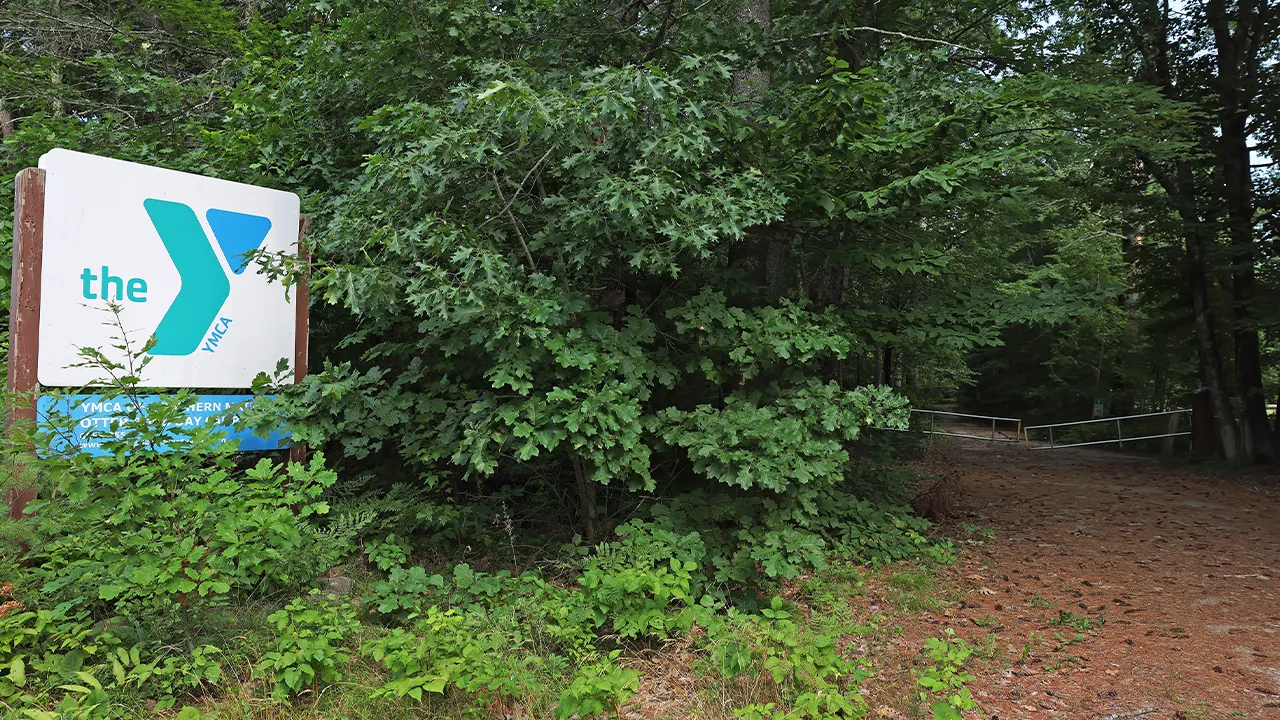
On a bright Tuesday morning in the quiet town of Wayland, Massachusetts, the sounds of summer camp should have been filled with laughter, playful shouts, and the rustling of leaves underfoot. Instead, that peaceful scene was shattered in an instant when a large tree gave way and crashed down upon a group of campers and counselors at the YMCA’s Camp Chickami. Among those caught in the path of the falling timber was an eight-year-old boy, a child whose entire summer was supposed to be about swimming, crafts, and new friendships. Tragically, that young life was cut short in a sudden and devastating accident that no one could have predicted. The incident also injured a camp counselor, who was struck by a smaller branch while trying to navigate the chaos. What should have been a day of innocent fun became a moment of profound loss, leaving the entire community reeling with shock, grief, and disbelief. For the families, staff, and first responders involved, the memory of that morning will forever be marked by the terrifying speed with which nature’s power turned a safe haven into a scene of emergency.
According to officials from the Wayland Fire and Police Departments, the tragedy unfolded when a tree fell and struck another tree, creating a domino effect that sent a massive branch crashing down onto the child. Fire Chief Neil McPherson explained that the boy was struck by the large branch, while the adult victim, a camp counselor, was hit by a smaller piece of the falling debris. The randomness of the accident made it all the more heartbreaking—there was no storm, no warning, no obvious sign of danger. The trees that had stood for years, providing shade and a sense of natural wonder, became the instrument of an unimaginable loss. The camp counselor, who was injured in the same incident, was fortunate enough to escape with minor injuries and was later treated and released from the hospital. But for the young boy, the outcome was tragically different. The suddenness of the event left witnesses and first responders in a state of shock, as they rushed to provide aid to a child whose life was hanging in the balance. It was a stark reminder that even in the most familiar and seemingly safe environments, nature can be unpredictable and unforgiving.
When first responders arrived at Camp Chickami, they were met with a harrowing scene. Officials reported that they found the child suffering from life-threatening injuries, while the adult counselor’s injuries were less serious. Emergency medical personnel immediately began working to stabilize the boy, recognizing the gravity of the situation. A medical helicopter was called to the scene, and the child was airlifted to a nearby hospital in a desperate attempt to save his life. Despite the best efforts of the emergency teams, the young camper succumbed to his injuries and was pronounced dead at the hospital. The news spread quickly through the tight-knit community, leaving parents, camp staff, and local residents in a state of profound sorrow. For the first responders who had fought so hard to save the child, the outcome was a heavy burden to carry. Their training had prepared them for emergencies, but nothing could prepare them for the emotional weight of losing a child in such a sudden and senseless tragedy. The adult counselor, though physically recovering, would also carry the emotional scars of witnessing the event and being part of the chaos that followed.
In the aftermath of the accident, the West Suburban YMCA moved quickly to address the needs of the camp community. President and CEO Jack Fucci released a heartfelt statement expressing the organization’s grief and extending condolences to the family of the young camper. “The entire West Suburban YMCA family is grieving the loss of a young camper when a tree fell at Camp Chickami in Wayland on Tuesday,” Fucci said. He emphasized that the camper’s family was foremost in their thoughts during this extraordinarily difficult time. The YMCA also announced that the camp would remain closed for the rest of the week, giving staff and campers time to process the tragedy and begin the healing process. Grief counseling and other support resources were made available to camp staff, campers, and their families, recognizing that the emotional impact of such an event extends far beyond those who were directly involved. Children who witnessed the accident or heard about it from friends would need reassurance and guidance to make sense of their feelings. Counselors and staff members, many of whom had formed close bonds with the campers, would need support as they navigated their own grief while trying to comfort others. The closure of the camp was a necessary step, allowing the community to come together, mourn, and begin the slow process of recovery.
Local officials also stepped forward to offer their condolences and support to the grieving community. Acting Police Chief Mark Hebert expressed his sincere thoughts and support for the family and friends facing this tragic loss. He acknowledged the deep pain that had settled over Wayland, a community that now had to come to terms with the death of a child in a place where children should have been safe. Fire Chief Neil McPherson echoed those sentiments, urging anyone experiencing overwhelming grief or anxiety to reach out for help. “Our Wayland community is grieving today, and thinking of those who lost so much as a result of this tragic accident,” McPherson said. He reminded residents that the community would be strongest when standing together, and that seeking help was not a sign of weakness but a necessary step toward healing. His words were a gentle but important reminder that grief is not meant to be carried alone. In the days following the accident, neighbors, local businesses, and families from surrounding towns began to show their support in small and meaningful ways. Flowers, notes, and messages of condolence were left at the entrance to the camp, creating a makeshift memorial to a young life taken too soon. The outpouring of support was a testament to the strength of the community and the shared sense of loss that united everyone in the wake of the tragedy.
As the week went on and the camp remained closed, the silence that hung over Camp Chickami was a stark contrast to the joyful energy that had filled the grounds just days before. The empty cabins, the still swings, and the quiet trails served as a somber reminder of what had been lost. But even in the midst of such profound sadness, there was a quiet determination to honor the memory of the young camper by coming together and supporting one another. Parents held their children a little tighter, counselors reached out to one another, and the community began to find small ways to move forward. The tragedy was a reminder of the fragility of life and the importance of cherishing every moment. It also highlighted the resilience of a community that refused to let grief define them. While the pain of losing a child is something that will never fully fade, the support and love shown by neighbors, friends, and even strangers offered a glimmer of hope. The YMCA, the Wayland community, and all those affected by this heartbreaking accident would need time to heal, but they would not have to heal alone. In the end, the memory of the eight-year-old boy would live on in the hearts of those who knew him and in the collective spirit of a community that came together in the face of unimaginable loss.