


Here is a summary of the provided text, organized into six comprehensive paragraphs.
—
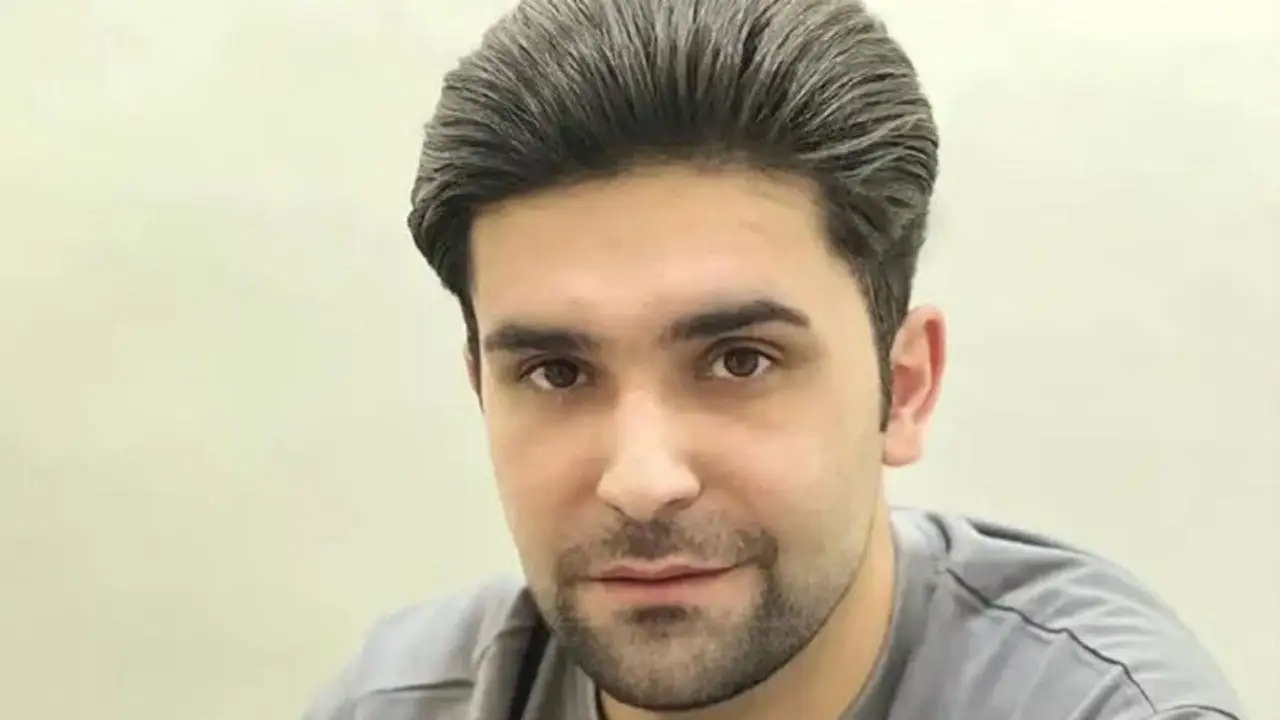
Seyed Ahmad Seyedabdollahi, a 34-year-old Iranian psychologist and counselor from the city of Borujen, has been sentenced to seven months in prison for his public appeal to former President Donald Trump. His ordeal began in early January when, amid nationwide protests in Iran, he posted a video directly addressing Trump. In the video, which was reviewed by Fox News Digital, Seyedabdollahi urged the former president to act on his pledge of support for the Iranian people, appealing to him with a sense of urgency. His plea was a direct call for intervention, framed by a belief that Trump’s words had created an expectation of action.
In his January 4th message, Seyedabdollahi’s words were both a challenge and an appeal. He suggested that Trump needed to prove his intentions toward the Iranian people, stating, “To prove your good intentions to the Iranian people, either do something without saying anything or act very quickly on your words.” He emphasized the trust that young Iranians had placed in Trump’s rhetoric and warned of the consequences of inaction, noting that “many things are useless to people who are dead.” He concluded by assuring Trump that the Iranian nation remembers acts of goodwill, stating, “I assure you that the Iranian nation remembers good deeds well, and they will try to repay their friends in the future.”
The consequences for Seyedabdollahi were swift and severe. Just ten days after posting the video, on January 14th, he was arrested at his father’s home in Borujen. According to reports from Iran International and the Hana人权 organization, plainclothes agents confiscated his phones and electronic equipment. He was then taken into custody and held in solitary confinement at a detention facility in Isfahan, which is operated by the Islamic Revolutionary Guard Corps (IRGC). His family was initially kept in the dark about his whereabouts for the first 17 days of his detention.
The legal proceedings against him were harsh and multilayered. Seyedabdollahi was ultimately convicted by Branch One of the Borujen Revolutionary Court on the charge of “engaging in media activities against national security.” This conviction resulted in a seven-month prison sentence. In addition to the prison time, he was also barred from government and public employment for five years. The initial arrest was not the end of his legal troubles, as authorities also opened a second case against him on a charge of “propaganda against the establishment.” As of the report in early August, this second case was still in its preliminary investigative stage.
The pressure on Seyedabdollahi extended beyond the formal charges. During his interrogations, his family alleges that authorities attempted to coerce him into making a forced confession and a second video condemning his original actions. According to his relative, interrogators accused him of being a foreign agent, telling him, “You are a member of the CIA and Mossad and you took money from them for this job.” They allegedly pressured him to make a video that would insult Trump and the American people, with the goal of broadcasting it on Iranian national media. Seyedabdollahi reportedly resisted this pressure, refusing to make the video.
His family recounts that he faced solitary confinement and mistreatment throughout his detention. He was ultimately transferred to Borujen Prison to begin serving his sentence on July 7th. A relative described his current situation as precarious, noting that while he has been out of solitary confinement, he is still subject to being placed back there under various pretexts. The relative also highlighted the broader impact of his punishment, explaining that the five-year ban on public employment effectively strips him of his ability to work as a psychologist, and that monitored phone calls prevent him from speaking freely. His case is part of a wider crackdown on dissent in Iran, where over 50,000 people were arrested and hundreds have been charged with capital offenses in connection with the protests.