



The Clacton Gamble: Farage’s Defiant Return to Westminster
In a political spectacle that blurred the lines between grassroots democracy, celebrity culture, and bare-knuckle defiance, Reform UK leader Nigel Farage secured his return to the British Parliament in a by-election that was as unusual as it was decisive. The contest, held in the staunchly pro-Brexit seaside constituency of Clacton, was not a standard political bout between rival parties, but rather a carefully orchestrated referendum on the man himself. By resigning his seat just months after winning it, Farage forced a vote that he framed as a direct appeal to the electorate to act as his jury, bypassing what he describes as a hostile political and media establishment determined to destroy his reputation. The result, a commanding victory with 22,239 votes, sent a clear message from the voters of this coastal enclave that they stood firmly with the populist firebrand, even as the broader political machinery of Britain looked on with a mixture of disdain and fascination. However, beneath the triumphant veneer of this electoral victory lies a complex web of unresolved financial allegations and a political future that remains as volatile as the man who orchestrated this extraordinary political gamble.
The immediate backdrop to this electoral drama was a contentious parliamentary investigation into Farage’s finances, specifically concerning a £5 million gift from a billionaire cryptocurrency investor that he allegedly failed to declare. Farage, who has always thrived on confrontation with the establishment, treated the allegations not as a legal or ethical question, but as a political attack designed to silence the leading voice of right-wing populism in Britain. By forcing the by-election, he sought to transform a procedural inquiry into a public trial, arguing that the true judges of his conduct should be the working-class voters of Clacton, not the unelected bureaucrats of Westminster’s standards committee. In his victory speech, delivered before the final count was even announced, he hammered this point home, declaring that he had asked the voters to be his jury and that their verdict was a repudiation of the “mainstream media” and the “political establishment” who, in his words, “paint us out to be criminals and bad people every day.” The strategy was pure Farage: aggressive, personal, and pitched directly to a constituency that has long felt ignored by London’s political class.
What made this by-election truly peculiar was the identity of his closest challenger. With the Labour Party, the Conservatives, and other major political factions refusing to field candidates—dismissing the contest as a self-serving stunt—the opposition to Farage was led by Count Binface, a satirical persona created by comedian Jon Harvey. Dressed in a metallic trash can outfit, Count Binface ran on a platform that included capping the price of ice cream cones and conscripting anyone who uses a speakerphone on public transport. The absurdity of the situation was not lost on observers, yet Farage turned the farce into a political weapon. The fact that a comedian in a garbage costume was his main rival allowed him to argue that the establishment had abandoned the constituency entirely, leaving ordinary voters with only him to represent their genuine grievances. While Count Binface’s 9,455 votes represented a significant protest vote, Farage’s victory was never truly in doubt. The high turnout of 44.37% and his increased raw vote total compared to the 2024 general election suggested that his base was energized and unshaken by the financial controversies swirling around their champion.
The victory, while resounding on the surface, does not erase the shadow of the parliamentary investigation that prompted it. Within hours of the result being declared, the standards investigation, which had been automatically suspended when Farage resigned his seat, was officially reactivated. The case, opened under Rule 5 for “Failure to register an interest,” remains a tangible threat to his political career. If the investigation concludes with a suspension of at least ten sitting days, it could trigger a recall petition in Clacton, which, if successful, would force yet another by-election—a scenario that would turn his triumphant return into a transient victory. Farage, however, remains defiant, categorizing the entire affair as an “establishment hit job” and insisting he has adhered to the rules. This legal sword of Damocles hanging over his head adds a layer of fragility to his win, suggesting that while he has secured the approval of his constituents, he has not escaped the scrutiny of the institution he so openly despises)Skip to content.
The strategic implications of this victory extend far beyond the boundaries of one constituency. For Farage, it represents a successful rebranding of himself as a victim of state oppression, a narrative that resonates deeply with his base. He framed the vote not just as a personal endorsement, but as a collective rebellion against the political status quo. His rhetoric—telling supporters that Clacton had “stuck two fingers up to the entire political establishment”—was deliberately provocative, designed to position Reform UK as the only genuine anti-establishment force in British politics. Alan Mendoza, a political analyst and advisor to Farage, echoed this sentiment on social media, describing the result as a “spectacular two fingered salute” to his criticscars. The increased vote share, despite the absence of major party rivals, was interpreted by his camp as proof that his supporters were actively rallying to defend him against external attacks, rather than being swayed by the negative press coverage.
Yet, the national context for Reform UK is far more complicated than the triumphant scenes in Clacton suggest. While the party enjoyed a lengthy lead in national opinion polls throughout much of the previous year, recent data indicates a significant erosion of that support. The controversy surrounding Farage’s finances, combined with the Conservative Party’s recent shift to embrace a new leadership under Andy Burnham, has squeezed Reform’s polling numbers. Reports indicate that Labour has surged ahead with 28% support compared to Reform’s 25%, a narrow margin that highlights the fragility of Farage’s political momentum. The by-election victory, while a personal triumph, does little to address the structural challenges Reform faces in translating localized popularity into a broader national breakthrough. Farage’s ability to dominate the news cycle and galvanize loyal voters remains potent, but whether this translates into sustained electoral growth in a general election context remains a question mark.
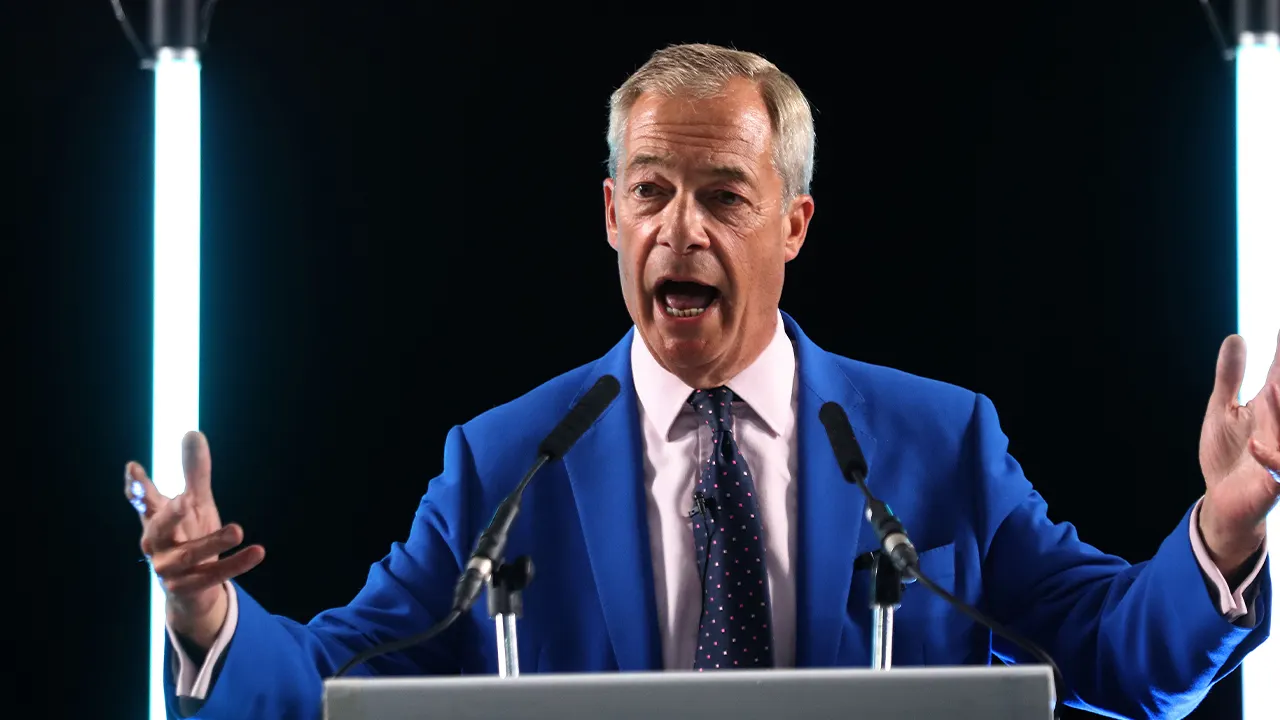
In the final analysis, Farage’s by-election victory in Clacton is a masterclass in political survival and calculated risk-taking. He successfully transformed a moment of personal vulnerability into a public demonstration of strength, leveraging the affection of a constituency that sees him as their champion against a distant and hostile elite. The image of a triumphant Farage, flanked by supporters in a seaside town, is a powerful contrast to the chaos of Westminster politics. Yet, his Teflon-like ability to shrug off scandal is now tested against the hard legal reality of parliamentary procedure. The investigation will not go away, and the threat of a recall petition looms. For now, Farage has his seat back, a renewed mandate from the people of Clacton, and a powerful narrative of victimhood and resilience. But the margins of his victory, shadowed by the spectacle of a comedic opponent and the underlying financial questions, leave him in a paradoxically strong yet vulnerable position. As he returns to Westminster, the spotlight will not only be on his policies but on the enduring question of his financial conduct—a question that no amount of electoral support can definitively answer.