


1. The Gulf’s summer tension just took a sharper turn. Analysts are now looking toward the fall with real concern, warning that Iran could respond to America’s intensifying economic pressure by launching military strikes against high-value targets. This isn’t just background noise or a speculative forecast from talking heads. It follows a very real, very recent incident in the Strait of Hormuz where two vessels were struck while transiting one of the most critical waterways on the planet. The Abu Dhabi National Oil Company reported the attack, and the UAE foreign ministry was quick to condemn it as an Iranian act. No one was hurt, and the situation was described as under control, but the symbolism was impossible to miss. The Strait of Hormuz is where the world’s oil breathes. When something happens there, every energy market on earth feels it. And now, with Treasury Secretary Scott Bessent promising economic measures that he says have “never been seen in the history of economic isolation,” the strategic stage is set for a dangerous feedback loop. The United States is tightening the screws on Iran’s economy, and Iran is signaling, through both words and action, that it is not going to take that sitting down. The combination of a bruised economy, a proud regime, and a vital maritime chokepoint is a recipe for escalation—and the intelligence community is starting to whisper that the next few months could bring the kind of confrontations we haven’t seen since 2019.
2. The economic hammer is about to get heavier. Treasury Secretary Scott Bessent’s comments were deliberately vague, but his tone was unmistakable. “Watch this space for more announcements coming next week,” he said in an interview, promising measures that would represent an unprecedented level of economic isolation for any country in modern history. That is not pillow talk; that is a war declaration in the language of finance. For Iran, the economy is the central front. Oil revenues are the lifeblood of the regime, and the Trump administration has made it clear that it wants to cut off that flow completely. A strong U.S. naval presence and increasingly aggressive sanctions enforcement are already squeezing Tehran. And now, with Washington preparing to go even further, the question is not whether Iran will feel the pain, but how it will respond. The regime has never had a reputation for absorbing punishment quietly. When cornered economically, Iranian leadership tends to look for a way to change the game—often by creating a crisis that forces the other side to back down or bargain. This is the terrifying logic at the heart of the current standoff. The more successful the United States is at squeezing Iran’s economy, the more likely Tehran is to lash out in ways that could disrupt global oil supplies, attack American allies, or provoke a wider military confrontation. The Biden-to-Trump transition did not change the underlying architecture of the conflict; it just changed the style of the messaging. And right now, the message from Washington is that the pressure is only going to get worse.
3. Researchers and regional experts see the pattern clearly. Behnam Ben Taleblu, a senior fellow at the Foundation for Defense of Democracies, has spent years studying Iranian behavior, and he believes Tehran is already preparing its response. According to Taleblu, come early fall, we can expect Iran to “kinetically push back” against Trump’s economic policy. He points to the historical precedent of 2019, when the United States reimposed a campaign of maximum pressure and Iran answered by striking at tankers, oil infrastructure, and other high-value targets across the region. The regime, in other words, does not treat economics as a separate arena from military action. For Tehran, economic pressure is an act of war, and it demands a military answer. Taleblu argues that shrinking oil revenues, combined with a U.S. naval blockade, would push Iran to expand its list of targets. That means more attacks on ships, potentially more attacks on American bases, and quite possibly more strikes on Arab infrastructure throughout the Persian Gulf. He describes a “tiered list” of targets, ranging from assets with immediate tactical value to those with greater economic significance and those designed to provoke or avoid a direct American response. The goal wouldn’t be meaningless violence; it would be a calculated attempt to break out of the economic containment that Washington is trying to construct. If the 2019 playbook repeats, we are about to see a summer of shadow conflict in the Gulf, followed by an autumn of open confrontation.
4. The diplomatic front is meanwhile a study in contradiction. The United States and Iran are technically still operating under the framework of an interim memorandum of understanding signed in June. That agreement called for the “immediate and permanent termination of military operations on all fronts,” and it established a 60-day window to negotiate a final, more comprehensive deal covering everything from Iran’s nuclear program to regional security concerns. But the pact has been unraveling almost from the moment it was signed. Trump declared the agreement “over” on July 7, and a senior Iranian source told Reuters on August 12 that there have been no discussions about extending the ceasefire. The August 17 deadline for a final agreement is fast approaching, and neither side seems genuinely interested in meeting it. For Iran, the demand is simple: Washington must return to the pact and provide a definitive timeline for meeting its obligations. For the United States, the insistence on additional pressure is becoming a matter of policy pride. This diplomatic deadlock is dangerous because it means that all the unresolved issues—especially Iran’s nuclear capabilities and control over the Strait of Hormuz—are being addressed through escalation rather than negotiation. Every day that passes without talks brings the two countries closer to a miscalculation. And in the Persian Gulf, miscalculation can turn into war in a matter of hours.
5. At the center of it all stands the Strait of Hormuz, a narrow stretch of water that holds the fate of global energy supplies. The new head of Iran’s Basij paramilitary force, Hossein Taeb, was blunt on Thursday when he declared that the strait remains “under Iran’s control and management.” His statement was a direct challenge to President Trump’s assertion, made just a day earlier, that the United States holds “total control” over the vital waterway. The reality, as is often the case in the Middle East, is messy. Iran may not be able to openly command the strait in a head-to-head military contest with the U.S. Navy, but it has the ability to create chaos there—militias, fast attack craft, mines, and anti-ship missiles can all be used to disrupt shipping and send oil prices flying. Taleblu describes the Iranian approach as “a knife in the back and a handshake in the front” to America’s traditional Gulf partners. The regime is perfectly comfortable engaging in diplomatic charm offensives while simultaneously preparing for military escalation. Taleblu suggests that Iran’s diplomatic finesse is aimed at backing the Trump administration into another memorandum of understanding on Iranian terms, while refusing to grant Washington the optics of a clear victory. The leadership in Tehran knows that the Strait of Hormuz is its strongest bargaining chip. Giving up control of it would mean giving up the one card that can force the world to pay attention.
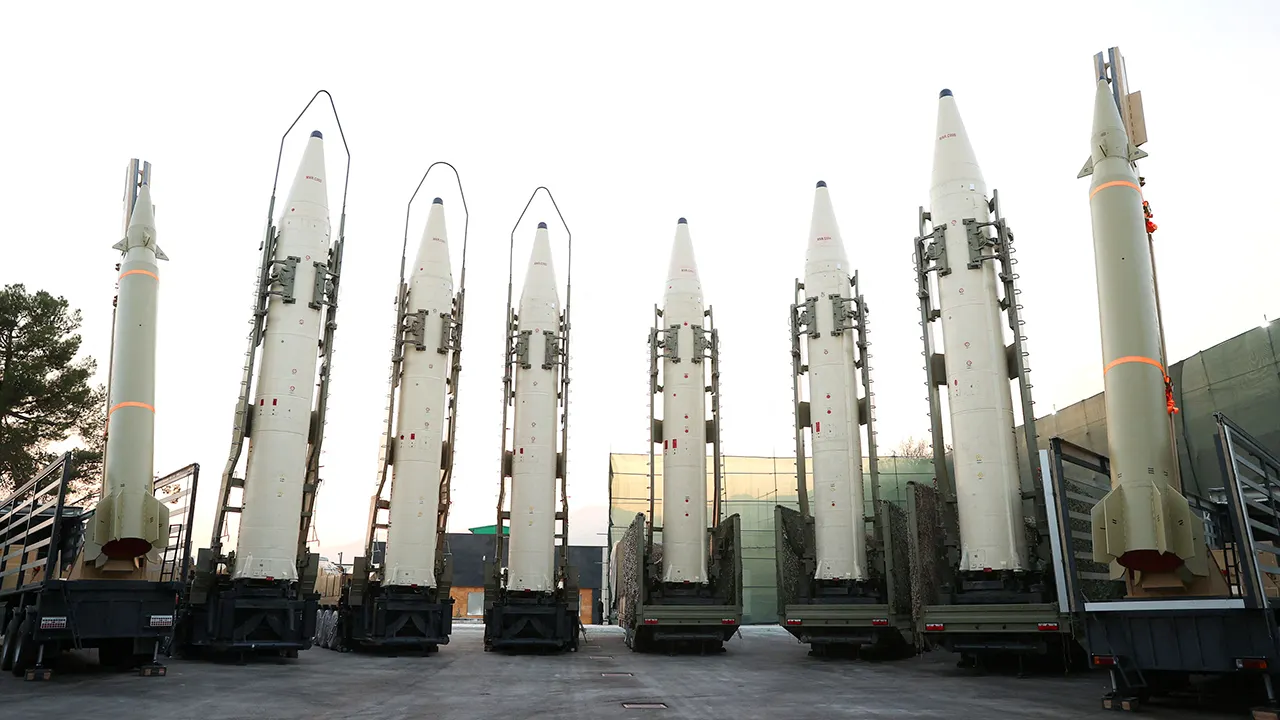
6. So what does the future actually look like? The Trump administration calls its strategy “low-key,” but analysts say it’s anything but. Taleblu calls these tools “high-impact,” and he believes that what happened in the summer of 2019 could be a prologue for what’s coming. Back then, a similar combination of maximum economic pressure and Iranian escalation created a tense standoff that nearly boiled over into open conflict. The lessons of that period have not been forgotten in Tehran. The regime understands that the United States has enormous strategic advantages—military superiority, naval dominance, and the power of the global financial system—but it also understands its own strengths. Iran can make life very painful for its enemies without ever firing a shot directly at an American warship. It can use proxies in Lebanon, Syria, Iraq, Yemen, and the Gulf states. It can attack tankers, drone aircraft, and infrastructure. It can threaten to close the Strait of Hormuz and throw energy markets into chaos. And it can do all of this while maintaining just enough ambiguity to avoid a full-scale American response. The coming months are likely to test the limits of this strategy. If the sanctions become as severe as Bessent promises, and if Iran’s leadership believes that survival depends on breaking out of economic containment, then the probability of new clashes rises sharply. The fall will bring cooler temperatures, but in the Gulf, the heat is about to get turned up. The United States is preparing its next economic move; Iran is preparing its next military move. The only question left is who will blink first—or whether both sides will refuse, and the world will have to live with the consequences.