

The summer sky over Spokane County, Washington, recently transformed into a suffocating shroud of orange and charcoal, as a trio of ferocious wildfires tore through the landscape, turning cherished family homes into smoldering ash and forcing tens of thousands of terrified residents to flee for their lives. Among the chaos and heartbreak of this sudden evacuation, where approximately 67,000 citizens were abruptly uprooted from their daily routines, a deep sense of vulnerability and panic swept through the community. Families packed whatever belongings they could grab in a matter of minutes—photo albums, pets, medicine, and heirlooms—before hitting congested roads clogged with emergency vehicles and fleeing neighbors. More than 700 structures, representing lifetimes of memories, stability, and hard-earned security, were reduced to charred, unrecognizable ruins in a matter of hours. The sheer scale of the disaster strained local resources to the absolute limits, leaving displaced families crowded into school gymnasiums and temporary Red Cross shelters, frantically texting loved ones while watching the smoky horizon with a mixture of dread and helplessness. For these individuals, the crisis was not merely a distant statistic or a passing news headline; it was an intimate, life-altering catastrophe that stripped away their sense of safety and left them wondering if they would ever have a home to return to. As over a thousand exhausted firefighters battled the advancing flames against a backdrop of scorching heat, high winds, and dense smoke, a collective question began to echo through the community: how could such a devastating nightmare have started, and was there a malicious human hand behind the sparks that ignited their grief?
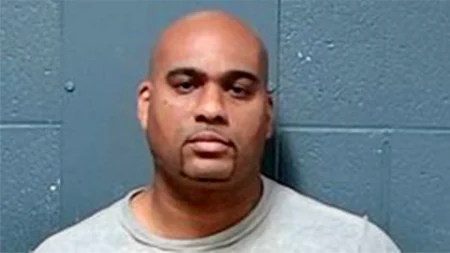
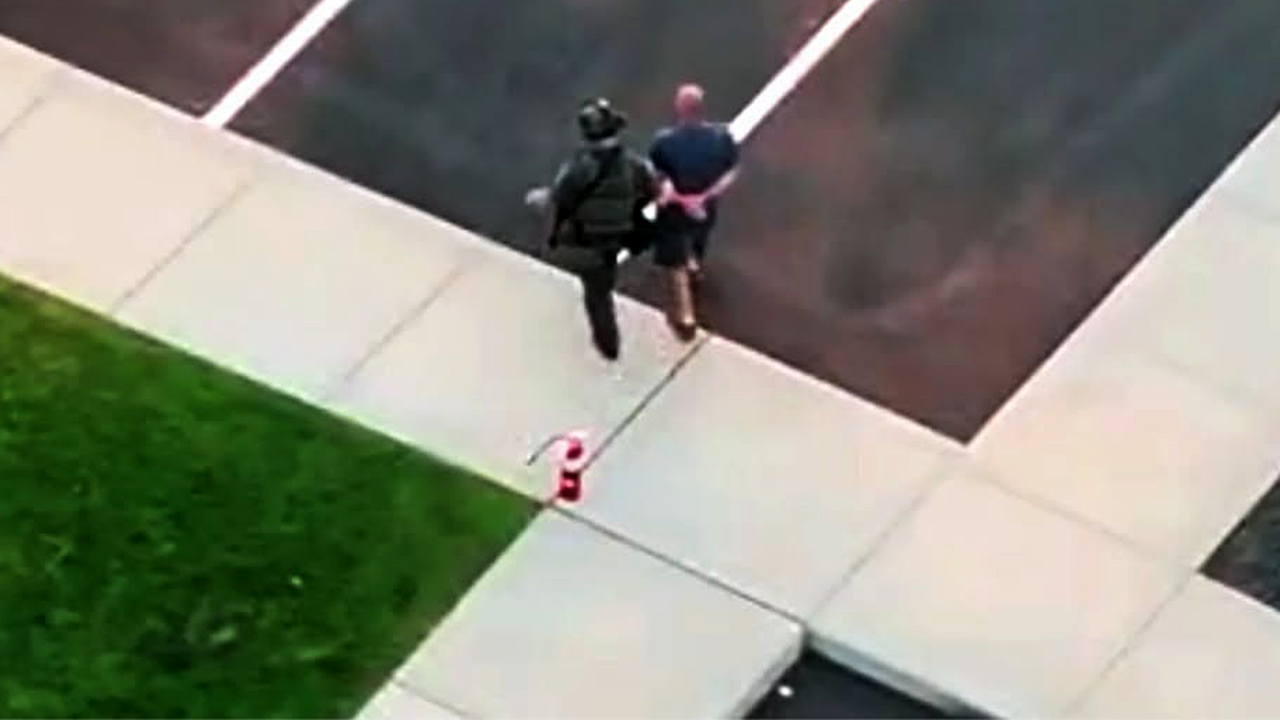
That troubling question began to find a chilling answer on Monday when law enforcement officials announced a major breakthrough in their investigation into the origin of the Old Trails Fire—the largest and most volatile of the active blazes threatening the region. Thanks to the vigilant eyes of local citizens who refused to remain passive bystanders in the face of tragedy, crucial tips began pouring into the Spokane County Sheriff’s Office. These community-driven leads, combined with the sharp observations of Airway Heights police officers and sheriff’s deputies who were actively conducting high-stress evacuations on the ground, led investigators directly to a suspect. Authorities subsequently identified and arrested 37-year-old Aaron F. Farinacci, charging him with first-degree arson. The arrest took place without incident at Farinacci’s residence, located in the quiet 2800 block of West Elliott Drive, after detectives successfully secured both an arrest warrant and a search warrant. The realization that one of their own neighbors could be responsible for unleashing such terror sent shockwaves through the already traumatized community, transforming their grief into a complex mixture of anger and disbelief. When deputies detained and searched Farinacci, the physical tools of destruction were reportedly found directly on his person: a butane lighter and a box of waterproof matches, quiet, everyday instruments capable of turning a dry summer forest into a raging, uncontrollable furnace.
As Farinacci was booked into the Spokane County Jail and held on a staggering $1 million bond—a sum reflecting the immense gravity of the threat to public safety—the community began to grapple with the profile of the man accused of causing such widespread devastation. Investigators revealed that Farinacci is a convicted felon hailing from Arizona, though a thorough review of his documented criminal record yielded no prior history of fire-related offenses or arson. Spokane County Sheriff John Nowels addressed a tense and anxious public during a news briefing, emphasizing that while first-degree arson was the charge supported by probable cause at this initial stage, the investigation remains highly active and fluid. Sheriff Nowels reassured the community that detectives are leaving no stone unturned, pledging to look deeply into Farinacci’s past to uncover any other potential crimes he may have committed, while cautioning that the charges could evolve as further evidence is gathered and analyzed. The psychological weight of this arrest is incredibly heavy for Spokane residents; knowing that a single individual’s alleged actions could displace thousands of families introduces a profound layer of anger and betrayal to their grief. Currently, investigators have not established a concrete link between Farinacci and the two other major wildfires burning concurrently in the area—the Autumn Lane and Fairview fires—leaving open the painful possibility of multiple sources of danger or simply an incredibly tragic coincidence of timing.
The Old Trails Fire, which Farinacci is specifically accused of igniting, first roared to life on a hot Saturday afternoon near the intersection of North Old Trails Road and West Euclid Road. Fed by dry brush and dense stands of pine trees, the blaze quickly mutated into an uncontrollable monster, outgrowing the neighboring Autumn Lane and Fairview fires to become the largest and most destructive threat in the Spokane area. By Monday, the fire remained completely uncontained, mocking the desperate efforts of the emergency crews working around the clock to establish containment lines and protect vulnerable neighborhoods. The topography of the region, characterized by rolling hills and deep ravines, provided the perfect highway for the flames to travel, jumping roads and defying natural barriers with terrifying speed. For the more than 1,000 firefighters deployed to the front lines, the battle was a test of sheer physical and mental endurance, as they worked in brutal shifts under the blistering sun, choked by thick smoke and face-to-face with walls of fire that threatened to overwhelm them at any moment. The collective effort of these first responders served as a powerful testament to human bravery, highlighting the selflessness of individuals willing to risk their own lives to protect strangers’ homes and businesses from total erasure.
This localized disaster unfolded against a broader backdrop of severe environmental vulnerability that has plagued the entire state of Washington for months. Recognizing the extreme danger posed by a prolonged lack of rainfall, unusual heatwaves, and aggressive wind patterns, Governor Bob Ferguson took decisive action on Saturday by declaring a statewide wildfire emergency. This declaration was not merely an administrative formality; it was a desperate plea for caution and a mobilization of state resources to prevent a bad situation from becoming truly catastrophic. The emergency order instituted a strict, statewide prohibition on nearly all outdoor and agricultural burning through September 30, recognizing that under current drought conditions, even the smallest spark from a campfire, a discarded cigarette, or agricultural machinery could trigger a massive, uncontrollable blaze. This policy decision highlights the fragile relationship between humanity and the natural environment in the modern era, where shifting climate patterns have transformed the beautiful, lush forests of the Pacific Northwest into highly combustible tinderboxes. The restrictions serve as a somber reminder to every resident of the state that collective vigilance and individual responsibility are the primary shields against the devastating power of wildfire.
In the wake of this profound tragedy, the true spirit of the Spokane community has begun to shine through the heavy blanket of ash and despair, offering a glimmer of hope amidst the devastation. Neighbors who were strangers just days ago are now sharing meals, offering up spare bedrooms, and organizing donation drives to provide clothes, food, and comfort to those who lost everything in the flames. High-profile voices and local leaders alike have echoed messages of faith and resilience, urging the community to stand strong and look out for one another during this dark chapter. While the legal system begins its slow march toward justice, with Aaron F. Farinacci facing severe legal consequences behind the walls of his jail cell, the people of Spokane are focusing their energy on healing and rebuilding. The road to recovery will undoubtedly be long, arduous, and filled with emotional hurdles as families slowly return to their neighborhoods to sift through the ruins of their homes. Yet, the solidarity displayed by the community, the bravery of the first responders, and the vigilance of the citizens who helped bring a suspect to justice all serve as powerful reminders that even in the darkest hours, humanity’s capacity for love, cooperation, and survival will always triumph over destruction.