



Every single day, millions of individuals and families navigate the brightly lit aisles of their local grocery stores, pulling carts laden with fresh produce, pantry staples, and specialty treats destined for their kitchen tables. In doing so, we participate in a quiet, deeply human ritual of trust, implicitly believing that the systems of regulation, manufacturing, and distribution have worked harmoniously to ensure that the food we feed our children and ourselves is completely safe. We rarely pause to consider the vast and intricate web of supply chains that brings a gourmet spread from a distant processing facility straight to our breakfast table. However, this delicate dynamic of consumer confidence is periodically disrupted by the unsettling reality of foodborne pathogens, reminding us of the invisible microscopic world that exists just beyond our perception. Recently, this reality hit home for many gourmet food enthusiasts when Botticelli Foods announced a voluntary recall of its artisanal bettergoods brand of Pistachio Nut Butter. This rich, green spread, which had rapidly gained popularity among health-conscious consumers looking for a luxurious, protein-rich alternative to traditional peanut butter, was suddenly pulled from store shelves after routine quality-control testing conducted by public health officials in Florida detected the presence of Salmonella in three separate jars. Because this specific product is distributed exclusively through the gargantuan retail network of Walmart, the recall has had an immediate, far-reaching impact across the United States. It has transformed what was once a source of culinary delight and nutritional sustenance into a potential biological hazard resting quietly in the pantries of unsuspecting households, illustrating how quickly our daily routines can be upended by a microscopic threat and underscoring the vital importance of the rigorous safety protocols that protect our communities from harm. For parents packing school lunches or individuals preparing a quick post-workout snack, such news can be deeply unsettling, transforming a simple act of nourishment into a moment of anxiety and concern.
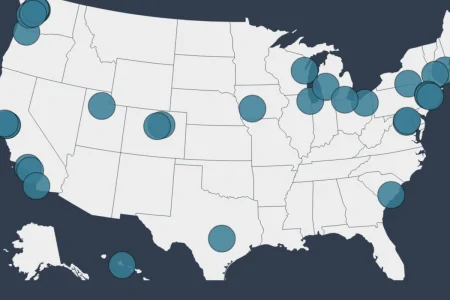
To protect public health, regulatory agencies and retail networks must act with extreme speed and precision, translating laboratory data into actionable warnings for the general public before widespread illness can occur. According to the official alert issued by the U.S. Food and Drug Administration (FDA), the scope of this recall is geographically vast but highly specific in its product labeling, allowing consumers to meticulously inspect their own pantries for the affected batch. The recalled bettergoods Pistachio Nut Butter was distributed to Walmart stores across nineteen states, spanning a diverse landscape from the rugged terrain of Alaska to the sunny shores of Florida, and including Alabama, Arizona, Colorado, Georgia, Idaho, Kansas, Mississippi, Missouri, Montana, Nebraska, Nevada, New Mexico, Oregon, South Dakota, Tennessee, Washington, and Wyoming. To help families identify whether the jar in their cabinet is part of the compromised batch, the FDA has released specific identifying markers: the product is packaged in a 6.7-ounce glass jar featuring the precise lot code number LB028ACP04, accompanied by the UPC code 194346207961, and bears an expiration date of January 28, 2027. Reassuringly, both Botticelli Foods and federal safety regulators have emphasized that no other lots of this pistachio butter are subject to the recall, isolating the threat to this single production run. In response to the discovery, Walmart immediately mobilized its robust corporate safety protocols, executing a swift retail block both at their brick-and-mortar cash registers and across their digital e-commerce platforms to prevent any further sales of the compromised product. Representatives from Walmart emphasized that customer safety remains their absolute highest priority, noting that their point-of-sale systems are designed to automatically flag and block transactions involving recalled items at checkout lanes, while they work hand-in-hand with their suppliers to ensure that the recall is executed thoroughly, advising any consumer who has purchased the product to immediately stop eating it and return it to their local store.
Understanding the nature of the biological threat hiding in our food is crucial to mitigating its impact, as Salmonella represents one of the most common, persistent, and physically distressing foodborne pathogens in the United States. Salmonella is a genus of rod-shaped, Gram-negative bacteria that colonizes the intestinal tracts of animals and humans, causing a painful infectious disease known clinically as salmonellosis. According to estimates by the Centers for Disease Control and Prevention (CDC), this resilient organism is responsible for approximately 1.35 million infections, 26,500 hospitalizations, and more than 400 deaths in the U.S. every single year. Transmission typically occurs when a person accidentally swallows the bacteria, which most frequently happens through the consumption of food or water that has been contaminated with microscopic amounts of animal feces during harvesting, processing, or packaging. Once ingested, the bacteria quickly invade the lining of the small intestine, triggering a painful and highly disruptive inflammatory response within twelve to seventy-two hours. Affected individuals often experience a sudden onset of debilitating symptoms, including severe watery or bloody diarrhea, intense abdominal cramps, high fevers, headaches, and nausea, which can last anywhere from four to seven days and leave victims feeling entirely depleted. While many healthy adults can recover from salmonellosis at home without medical intervention simply by resting and aggressively staying hydrated, the infection poses a much graver, terrifying danger to specific vulnerable populations. The CDC warns that infants and young children under the age of five, whose immune systems are still developing, alongside adults aged sixty-five and older, pregnant women, and individuals with compromised immune systems due to chronic illnesses or medical treatments, are at a significantly higher risk of experiencing severe, systemic infections where the bacteria enter the bloodstream, potentially leading to life-threatening complications that require urgent hospitalization and intensive antibiotic therapy. For a parent watching a young child suffer from high fever and severe dehydration, the clinical statistics quickly dissolve into a deeply personal, terrifying struggle to nurse their child back to health.
The recall of this artisanal pistachio butter does not exist in a vacuum; rather, it highlights a much broader, deeply complex, and ongoing challenge within the modern food industry as regulators and manufacturers struggle to keep pace with the demands of highly globalized supply chains. In recent months, public health alerts and product recalls have seemed to surge, reminding anxious consumers that even the most routine trips to the grocery store can carry unexpected risks. For instance, the U.S. Department of Agriculture’s Food Safety and Inspection Service (FSIS) recently oversaw the massive, nationwide recall of more than 360,000 pounds of popular turkey bacon products due to concerns over potential contamination with Listeria monocytogenes—a particularly insidious bacterium capable of causing severe invasive infections, miscarriages in pregnant women, and life-threatening meningitis in the elderly. Beyond bacterial threats, millions of Americans must navigate the daily, high-stakes emotional and physical tightrope of managing severe food allergies and sensitivities, relying entirely on absolute accuracy in product labeling to survive. The FDA recognizes nine “major” food allergens—including eggs, milk, fish, wheat, soybeans, crustacean shellfish, sesame, tree nuts (which include the very pistachios featured in the recalled butter), and peanuts—that are legally mandated to be clearly and conspicuously declared on all packaged foods. When a manufacturer fails to declare one of these allergens, or when unintended cross-contamination occurs in a processing facility, it can trigger immediate, life-threatening anaphylactic shock in sensitive individuals, instantly turning an innocent family dinner into a medical emergency. The sheer frequency of these public health alerts, ranging from heavy metal contamination to bacterial outbreaks and mislabeled ingredients, underscores the immense ethical and operational responsibility borne by food brands, illustrating that keeping our food supply safe is an endless, collaborative battle against microscopic enemies and human error alike, demanding absolute transparency at every turn.
To truly comprehend the profound human cost of agricultural and manufacturing failures, one must look beyond the sterile, clinical language of official recall notices and examine the devastating real-world consequences of recent foodborne illness outbreaks. While the pistachio butter recall has fortunately resulted in zero reported illnesses or injuries so far, other concurrent outbreaks across the country have not been nearly as merciful, casting a somber shadow over our dinner tables. Currently, the United States is actively grappling with a severe and widespread outbreak of Cyclospora, a microscopic parasite that causes a grueling intestinal illness known as cyclosporiasis. Unlike bacterial contaminants, this hardy, single-celled parasite is typically spread when people ingest fresh agricultural produce, such as imported berries, fresh herbs, or leafy greens, that have been cultivated or washed with water contaminated by human sewage. The resulting infection causes a prolonged, relapsing diarrheal illness, severe abdominal bloating, persistent nausea, profound fatigue, and dramatic weight loss that can drag on for weeks or even months, utterly draining a person’s physical vitality and leaving them unable to work or care for their families. Tragically, this recent outbreak has already sickened thousands of unsuspecting citizens and has been officially linked to at least two deaths in the state of Michigan. State health department officials reported that both of the deceased individuals possessed significant underlying health conditions, which were catastrophically worsened by the overwhelming physical stress of the parasitic infection and the rapid onset of severe dehydration. These heartbreaking losses put a human face on the abstract statistics we read in public health bulletins, proving that a single compromised ingredient can have fatal consequences for the most vulnerable members of our families and forcing us to realize that food safety is ultimately a matter of human dignity and survival.
While news of widespread bacterial contamination and parasitic outbreaks can easily evoke deep feelings of vulnerability and anxiety, it is essential to remember that consumer awareness and rapid, decisive action are our most powerful shields in protecting our homes and our loved ones. If you happen to peer into your kitchen cabinet and discover that you have one of the recalled 6.7-ounce glass jars of bettergoods Pistachio Nut Butter sitting on your shelf, public health officials urge you to immediately resist the natural temptation to consume it—even if the spread looks, smells, and tastes completely normal, as Salmonella cannot be detected by the human senses. Instead of taking an unnecessary risk, you should secure the jar, ensure it is out of reach of children or pets, and either discard it safely or return it directly to the Walmart store where it was originally purchased to receive a full, hassle-free financial refund. For consumers who are worried about potential exposure, have questions regarding the specific lot codes, or require detailed instructions on how to sanitize their kitchen surfaces after storing the product, Botticelli Foods has established direct, accessible channels of communication to provide immediate support. Concerned individuals can reach out to the company’s dedicated quality assurance division via email at [email protected], or speak directly with a representative by calling 631-543-7000, Extension 203, during their operational hours of 9:00 a.m. to 5:00 p.m. Eastern Time, Monday through Friday. Ultimately, while the threat of foodborne pathogens is an unfortunate byproduct of our massive global food network, the rapid identification of this issue through routine testing, paired with swift corporate intervention, proves that our public health safety nets are actively working to shield us, empowering us to keep our dining tables safe, healthy, and happy. By taking these simple steps, we protect not only ourselves but also the wider community, ensuring that our homes remain spaces of comfort and peace.