

As the scorching heat of the Mediterranean summer reaches its peak, Italy prepares to embrace its most cherished seasonal tradition: Ferragosto. This ancient holiday, which has historically marked a period of rest and celebration, now serves as the focal point of a massive, vibrant influx of travelers eager to experience the timeless charm of the Italian peninsula. According to projections by CNA Turismo e Commercio, the first three weeks of August will see an extraordinary 17.4 million tourists journeying through the country’s historic streets and sun-drenched coastlines. This vast tapestry of travelers is a beautiful mix of cultures, comprising 8.4 million Italians exploring their own homeland alongside nine million international visitors arriving with dreams of la dolce vita. With an average stay of about 4.5 nights per traveler, this collective pilgrimage is expected to generate over €9 billion in direct tourist spending. When we look at the broader picture—including the vital contributions to local hotels, family-run trattorias, artisan boutiques, and cultural heritage sites—the total economic impact of this single month is projected to soar past €15 billion. This bustling period is part of a monumental summer season that experts predict will top 224 million overnight stays between July and September, channeling an astonishing €27 billion into the Italian economy and breathing life into communities across the nation.
Yet, behind these incredible economic milestones lies a deeper, highly personal story of how our travel habits are evolving. The traditional image of the entire country shutting down simultaneously in mid-August is gently giving way to a more mindful, spaced-out approach to vacationing. Data from a recent EMG survey reveals that modern travelers are increasingly seeking comfort, tranquility, and a break from extreme heatwaves, leading to a noticeable shift in when they choose to take their annual leave. Today, less than 40% of holidaymakers choose to travel during the traditional peak of August. Instead, there is a growing, collective embrace of the shoulder seasons, with millions opting for the fresher, quieter months of early and late summer. This desire for a more balanced travel rhythm is clearly reflected in the numbers: a staggering 12.3 million Italians completed their getaways in June and July, while another 8.2 million are patiently waiting for the soft, golden light and gentle breezes of September to begin their journeys. This shift not only promises a more relaxed and authentic experience for the travelers themselves, but it also helps ease the environmental and logistical pressures on Italy’s most beloved destinations.
When it comes to the logistics of these journeys, the way Italians plan and experience their vacations reveals a deep-seated love for comfort, familiarity, and freedom. The domestic heart still beats strong, with the vast majority of Italian respondents choosing to spend their holidays within their country’s borders, though a significant and adventurous group of 6.2 million will venture abroad to explore neighboring European favorites like Spain, Greece, and France. On average, individuals are budgeting a thoughtful €939 each to cover transport and accommodation, making deliberate choices to ensure their hard-earned money translates into meaningful experiences. The open road continues to hold a romantic, nostalgic appeal for many, with more than half of those surveyed—about 55.5%—preferring to pack up their own cars for a classic road trip, while flying remains the second most popular option for reaching distant shores. Where they choose to lay their heads at night also reflects a desire for personalized comfort; while 7.6 million travelers (nearly 29%) opt for the independence and cozy privacy of holiday homes, a larger share of 11 million people (around 38.2%) still prefer the warmth and hospitality found in traditional hotels, rustic farm stays, and intimate bed-and-breakfasts.
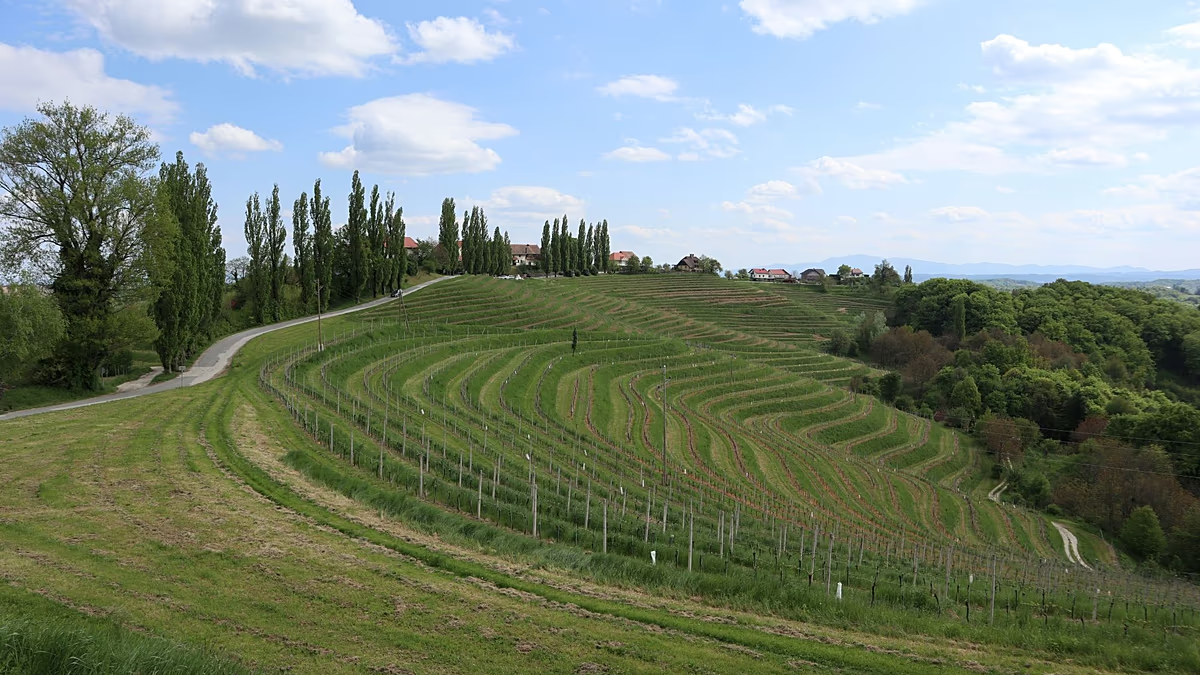
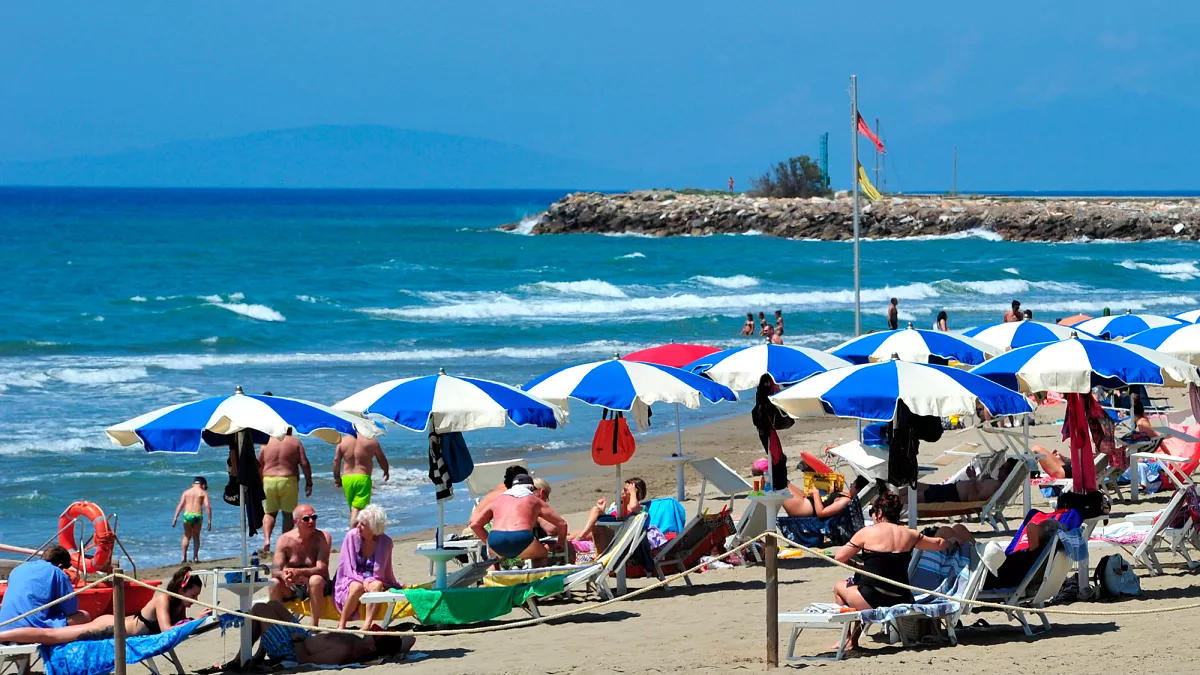
The destinations pulling at the hearts of these summer travelers highlight a growing desire for experiences that stimulate the soul, far beyond the simple appeal of a basic beach holiday. While the classic allure of seaside resorts remains the undisputed king of summer travel, there is a surging interest in historical cities, medieval villages, cool mountain escapes, serene lakes, and historic spa towns. Today’s travelers are seeking active, participatory adventures, eager to lace up their hiking boots, embark on scenic cycling tours, or immerse themselves in the local culture by attending open-air concerts, historic festivals, and traditional food fairs. The legendary pull of Rome remains as irresistible as ever for international crowds, but travelers are also venturing off the beaten path to explore the coastal hamlets of Lazio, the dramatic cliffs of the Conero Riviera, the historic fishing platforms of the Costa dei Trabocchi, the wild beauty of the Gran Sasso, and the quiet beaches of Molise. Meanwhile, in the southern Mezzogiorno, the romantic cliffs of the Amalfi Coast, the sun-baked olive groves of Salento, the crystalline waters of Tropea, the ancient stone dwellings of Matera, the jagged Lucanian Dolomites, and the stunning coasts of Sardinia and Liguria continue to capture the global imagination.
This passionate, global love affair with Italy is not just a romantic sentiment; it is a vital economic lifeline supported by robust, real-world data. According to financial indicators from the Bank of Italy, foreign visitor spending reached a historic high of nearly €57 billion in 2025, marking a healthy 4.8% increase from the previous year. This massive financial influx is backed by the physical presence of millions of individuals, translating to 477 million overnight stays and 185 million formal arrivals at check-in desks across the country. The momentum has carried effortlessly into the first half of 2026, with the Ministry of the Interior reporting a 4.43% rise in total arrivals compared to the same period last year. This growth is being driven primarily by international tourists, whose numbers have surged by 6.45%, alongside a steady 1.97% rise in domestic travel. Interestingly, during this same period, international visitors spent €4.5 billion in Italy—a 2.1% increase—while spending by Italian travelers abroad actually dropped by 1.6%, showing that local destinations are successfully keeping Italian hearts, and wallets, close to home.
Ultimately, these trends paint a beautiful picture of a country that continues to hold a special, unrivaled place in the hearts of global travelers. As we look at the projections for the summer of 2026, Italy has firmly secured its crown as Europe’s premier vacation destination, with an impressive 54% of European travelers naming it as their top choice, comfortably ahead of beloved rivals like Spain, Greece, and France. This overwhelming demand is translating into bustling, lively local economies, with the Ministry of Tourism reporting a spectacular 82% occupancy rate for seaside accommodations, while historic cultural capitals like Rome, Venice, and Naples are alive with energy. The primary flows of these passionate travelers are coming from the United States, the United Kingdom, France, and Germany, bringing a rich diversity of languages and cultures to Italy’s historic piazzas. In the end, these statistics tell a deeply human story of connection, where millions of people from all walks of life cross oceans and borders to share a meal, walk under ancient arches, and bask in the timeless, warm embrace of the Italian summer.