


For generations, the image of the majestic African elephant has been bittersweetly divided: on one hand, we envision them roaming the boundless, sun-drenched savannas of their ancestral homes, and on the other, we find them standing on concrete floors, swaying rhythmically under the heavy weight of chains in circus tents, tourist camps, and private estates. Across the globe, more than fifteen thousand of these highly intelligent, deeply emotional creatures live in various states of captivity, serving as spectacles for human entertainment or tools for heavy labor. The physical and psychological toll of this existence is devastatingly clear, often manifesting in debilitating joint conditions like osteoarthritis, severely diminished reproductive success, and lifespans that are tragically cut short compared to their wild counterparts. For decades, animal welfare advocates have fought tirelessly to ameliorate these harsh conditions, but a profound and beautiful paradigm shift is currently underway in the conservation world. Rather than simply trying to make captivity more tolerable, scientists and ethicists are increasingly asking a much bolder, more compassionate question: can we give these broken giants their freedom back, and if we do, can they ever truly learn how to be wild elephants again?
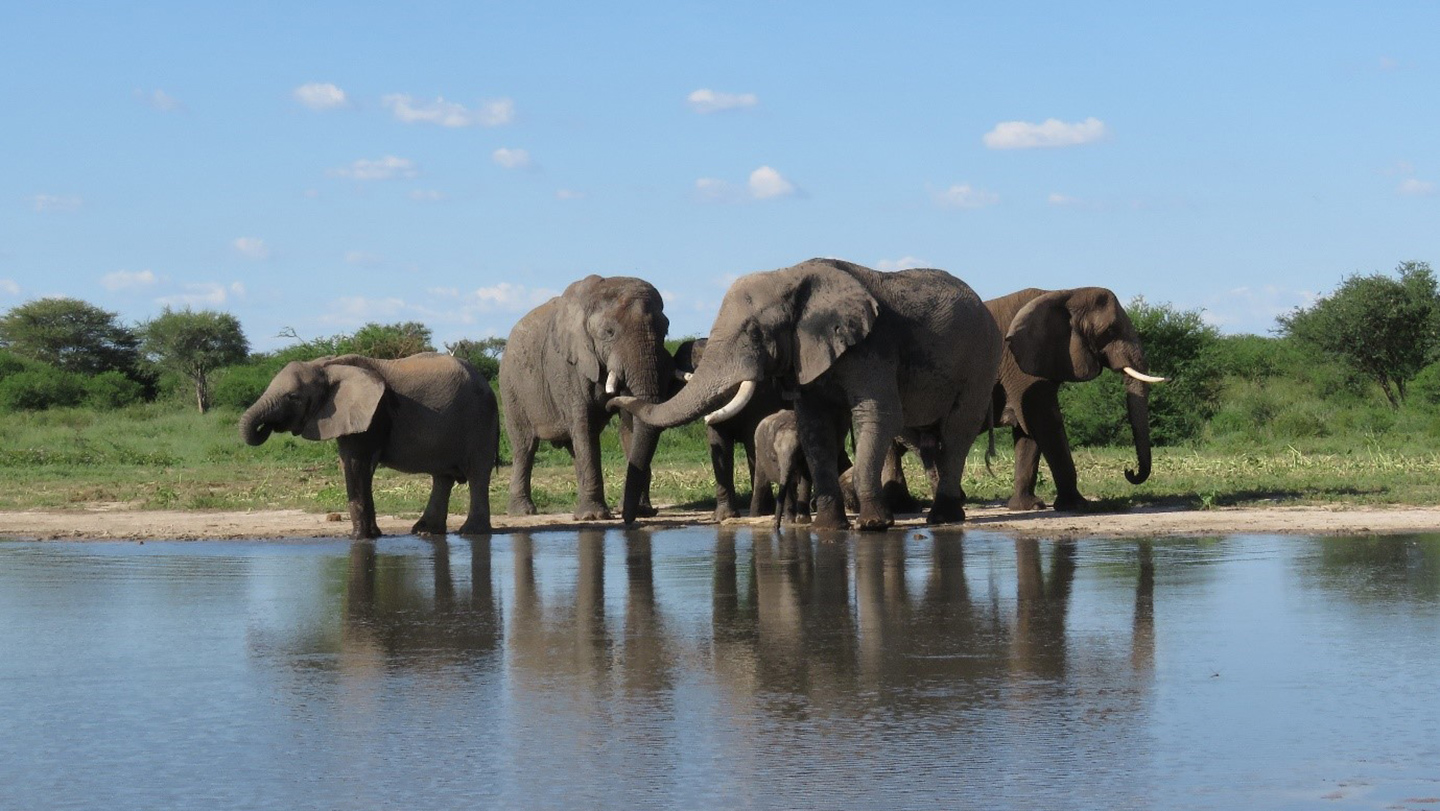
A pioneering new study published on July 29 in the journal PLOS One has offered a beacon of hope to those who believe in the restorative power of nature, revealing that elephants returned to the wild can indeed reclaim their ancestral ways of life. Researchers closely observed eleven African elephants (Loxodonta africana) living freely on three fenced South African reserves, comparing their psychological and social behaviors to wild elephants living in a much larger, open reserve system. To understand the internal worlds of these rehabilitated giants, the scientific team meticulously cataloged specific physical expressions of emotion and cognitive processing, such as how often the animals touched their own faces, swished their trunks, or swung their feet—subtle gestures that act as windows into an elephant’s moments of hesitation, irritation, or heightened vigilance. The results were nothing short of heartwarming: in many fundamental respects, the rewilded elephants behaved remarkably like their wild-born cousins, proving that the deep, intrinsic blueprint of what it means to be an elephant is never fully erased, even by decades of human subjugation. Dr. Sanjeeta Sharma Pokharel, an acclaimed elephant biologist at Kyoto University who was not directly involved in the project, expressed immense encouragement at these findings, noting that the study shows these magnificent animals possess an extraordinary capacity to readapt to natural conditions if they are simply granted the opportunity.
However, reclaiming a stolen wild identity is not a simple switch that can be flipped overnight, and the path to psychological recovery is paved with nuanced cognitive adjustments. While the study found that the freed elephants closely mirrored wild ones in their social confrontations and self-directed comforting touches, it also highlighted a fascinating discrepancy: the rewilded individuals engaged in attentive, environmental safeguarding behaviors far less frequently than those who had never known captivity. According to Tenisha Roos, a dedicated researcher at the Elephant Reintegration Trust in South Africa, this subtle difference is a direct legacy of their time spent in tourist and logging camps, where their every need was met, and they were completely shielded from the daily survival pressures of the African bush. In captivity, these elephants never had to scan the horizon for predators, navigate complex terrains, or search for hidden water sources, meaning their survival instincts had essentially gone dormant. The process of rewilding is therefore not just a physical transition to a new landscape, but a mental awakening where the animals must slowly unlearn the passive dependencies of their past lives and rebuild a vital, active dialogue with the living world around them.
The success of this delicate transition relies heavily on the profound, deeply social nature of the elephants themselves, who are famously cooperative, empathetic, and reliant on family structures. Researchers are discovering that an elephant cannot easily heal from its past traumas in isolation; rather, their rehabilitation is a collective journey that requires the warmth and wisdom of a community. The South African study emphasizes that rewilding succeeds most beautifully when elephants are released in cohesive, established social groups, and when the release sites already host wild populations that the newcomers can observe, mingle with, and learn from. This collaborative model of learning mirrors findings from other global conservation initiatives, such as a study from Sri Lanka where orphaned Asian elephants released in natural groups showed remarkably swift stress recovery and rapid environmental acclimation. Similarly, research from Botswana demonstrated that newly freed African elephants quickly learned to read seasonal ecological cues, seamlessly adjusting their migration routes across the landscape. By leaning on one another and watching the behaviors of wild mentors, these resilient survivors are able to piece together the fractured fragments of their cultural knowledge, passed down through generations but temporarily lost to the silence of captivity.
Yet, as encouraging as these behavioral triumphs are, the scientific community cautions that we must look beneath the surface to truly understand the emotional cost of freedom. While the eleven elephants in the South African reserves looked outwardly adjusted and peaceful, preliminary physiological measurements of their stress biomarkers tells a far more intricate and bittersweet story. Several of the rewilded individuals exhibited elevated levels of stress hormones, indicating that the vast, unpredictable wild can be initially overwhelming for an animal accustomed to the rigid boundaries of a cage. Dr. Pokharel emphasizes that outward behavior can sometimes mask internal anxiety, and she advocates for long-term, rigorous biological monitoring—including tracking reproductive hormones and other physical fitness indicators—to ensure these animals are genuinely thriving from the inside out. True rehabilitation is a non-linear process of healing, and we must respect that the transition from a highly controlled environment to one of total autonomy is a profound psychological shock that requires time, delicate monitoring, and immense human patience to overcome.
Ultimately, this research opens up a wild frontier of ethical possibilities, while simultaneously confronting us with the sobering limitations of our modern world. Of the thousands of elephants still held in captivity worldwide, not every individual is a suitable candidate for rewilding due to deep-seated physical injuries, advanced age, or severe psychological scarring that leaves them too vulnerable to survive without human intervention. Furthermore, the landscapes to which we wish to return them are increasingly fragmented by human expansion, meaning that release sites must be selected with extreme care to avoid fueling devastating human-elephant conflicts in surrounding communities. Nevertheless, where safe, vast spaces still exist, the stories of these eleven South African elephants serve as a powerful testament to the enduring resilience of the natural world and a reminder of our profound moral obligation to the animals we have displaced. By investing in thoughtful, socially supportive rewilding programs and committing to the quiet, long-term work of biological monitoring, we can begin to heal the historic wounds we have inflicted on these gentle giants, allowing them to finally walk beneath the African sky, not as exhibits or workers, but as the truly sovereign, wild beings they were always born to be.