


Imagine standing on the dusty, rust-colored plains of a simulated Mars, squinting through a thick visor at a stark horizon, only to realize that you are actually looking out over the lush, evergreen landscape of West Seattle. This fascinating juxtaposition of cosmic ambition and grounded realism is about to become a reality, thanks to a groundbreaking vision brought right to the shores of the Pacific Northwest. In an inspiring move that bridges the gap between science fiction and local workforce development, the Mars Society has announced a historic partnership with South Seattle College to construct a state-of-the-art space analog research station. Under a newly signed 10-year memorandum of agreement, James L. Burk, the Executive Director of the Mars Society, and Dr. Monica Brown, the President of South Seattle College, have united their missions to establish this trailblazing facility on the college’s expansive 87-acre campus. This collaborative effort represents far more than just a real estate lease; it is a profound commitment to preparing everyday citizens, local students, and future technical specialists for humanity’s next giant leap into the solar system, targeting an operational launch at the dawn of the 2027-2028 academic year, dependent on a joint fundraising campaign targeting forward-thinking aerospace companies and philanthropic donors.
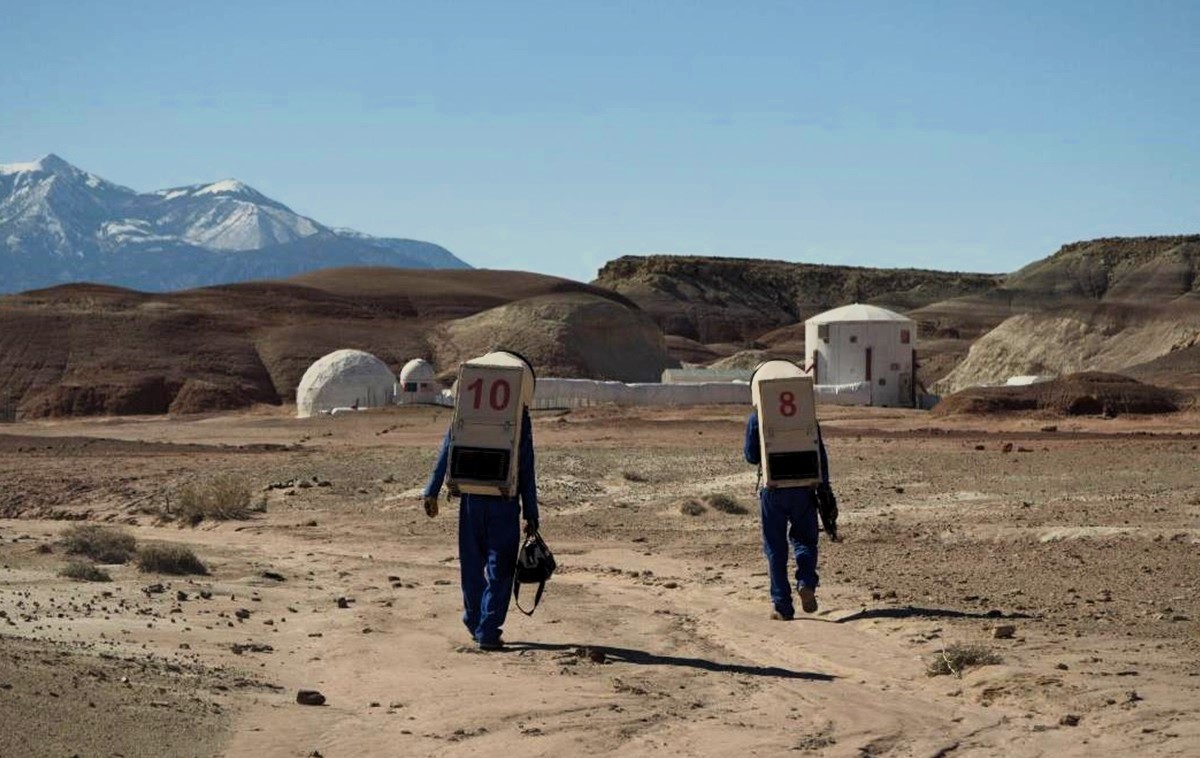
To truly appreciate the magnitude of this project, one must understand what an analog research station actually does, and why it is so critical to the human experience of space travel. Since the late 1990s, the Mars Society has operated two legendary, remote habitats: the Flashline Mars Arctic Research Station on the desolate, wind-swept Devon Island in northern Canada, and the Mars Desert Research Station nestled in the red canyons of Utah. In these extreme environments, teams of volunteer scientists, engineers, and adventurers live together in cramped quarters, completely cut off from the comforts of modern life, adhering to strict protocols that mirror planetary exploration. Every time they step outside their habitats to conduct geological surveys or deploy instruments, they must suit up in heavy, mock pressurized spacesuits, experiencing firsthand the psychological isolation, physiological fatigue, and physical constraints of extraterrestrial life. By bringing a third analog station to an urban, metropolitan community college campus, the Mars Society is radically demystifying this process, evolving its traditional focus on Mars to align with NASA’s current Artemis program, which views lunar exploration as the essential stepping stone to the Red Planet. This urban habitat will not just mimic foreign worlds; it will serve as a living laboratory where researchers and students can safely test the protocols, human dynamics, and survival systems required for sustainable celestial colonies.
At its core, this partnership recognizes a vital, often-overlooked truth: we cannot colonize the moon or Mars with theoretical physicists alone; we need the builders, the makers, the tradespeople, and the dreamers who understand how to keep complex machinery running in the harshest conditions. James Burk points out that the federal government is currently committing to space initiatives that demand a highly specialized, practical technical workforce that our educational system simply has not trained in over fifty years. This is where the hands-on pedagogical strength of South Seattle College shines, providing a stunning opportunity to merge traditional trade education with cutting-edge aerospace logistics. Imagine students in the automotive and diesel mechanics programs applying their knowledge to troubleshoot and maintain rugged, battery-powered lunar rovers and autonomous aerial drones. Picture aspiring chefs in the college’s renowned culinary arts program conducting critical research into hydroponic agriculture, experimenting with how to cultivate nutrient-rich, appetizing crops in simulated space environments to sustain crews on multi-year voyages. By infusing the existing vocational, electric vehicle, and culinary programs with real-world space challenges, this joint space studies curriculum and its accompanying certificate programs will directly empower a diverse, local student body with skills that transfer seamlessly from terrestrial maintenance shops to the extraterrestrial launch pads of tomorrow.
The Pacific Northwest has long been a powerhouse of aerospace innovation, and this project serves as a homecoming of sorts for the pioneers of the modern commercial space era. Dr. Robert Zubrin, the brilliant founder and President of the Mars Society, earned his doctorate in nuclear engineering from the University of Washington, and he has frequently lauded the region as a premier hub for technological breakthroughs, making Seattle the natural home for this new endeavor. The Greater Seattle area and its surrounding suburbs host an incredibly dense concentration of space-industry titans, from Jeff Bezos’ pioneering Blue Origin headquarters in Kent, to SpaceX’s massive Starlink satellite manufacturing plant in Redmond, and the sophisticated engineering engines of Aerojet Rocketdyne in Redmond. This dense industrial ecosystem creates a powerful regional workforce pipeline, ensuring that students participating in the new capstone projects and internships will have direct access to high-paying, transformative careers right in their own backyards. The local Seattle chapter of the Mars Society, founded in 1998, has spent decades advocating for this exact moment—where grass-roots passion, corporate engineering prowess, and academic accessibility intersect to prove that space exploration belongs to everyone, not just a select elite.
While the ultimate vision of the research station is set for the coming years, local organizers are already working tirelessly to spark the public’s imagination and build momentum within the community. In an effort to make this grand vision tangible for ordinary families, neighbors, and prospective students, the Mars Society plans to install a massive, full-scale inflatable mockup of a space research habitat inside South Seattle College’s Aviation Maintenance Technology facilities. This summer installation will serve as a thrilling, tactile preview of what is to come, inviting curious minds to step inside a simulated alien shelter and envision themselves as the next generation of space pioneers. Dr. Monica Brown emphasizes that this project is a natural extension of South Seattle College’s historic legacy of meeting the region’s workforce needs in aerospace, applied sciences, and skilled trades while expanding educational access and inspiring working-class neighborhoods to aim for the stars. By hosting public events, interactive exhibitions, and community forums, the initiative hopes to dismantle the intimidating barriers that often surround STEM fields, proving to young people from all walks of life that they have a vital, active role to play in the burgeoning space economy.
Ultimately, this partnership between the Mars Society and South Seattle College stands as a beautiful testament to human curiosity and our collective yearning to explore the unknown. It reminds us that humanity’s journey to the stars is a profoundly human endeavor, requiring not just cold calculations and metal hulls, but the warmth of community, the sweat of physical labor, and the boundless creativity of diverse minds working together. When we look up at the moon or gaze at the distant, red twinkle of Mars, we will no longer just see remote, unreachable spheres; instead, thanks to this visionary labor of love in West Seattle, we will see a tangible future that our own neighbors, cooks, mechanics, and technicians helped to build. By planting the seeds of cosmic exploration in a community college classroom, this project democratizes the heavens, ensuring that as humanity finally ventures out to build new homes among the stars, the hands that shape those distant worlds will carry the grit, pride, and ingenuity of our local communities.