

The quiet, tight-knit community of Barrackville, West Virginia, has suddenly found itself at the center of a stormy political controversy that has left its residents bewildered and deeply concerned. Located just short of Morgantown, this small town of roughly 1,200 people recently witnessed the complete collapse of its local law enforcement agency. Within a matter of days, the entire Barrackville Police Department was abruptly relieved of duty by the mayor and city council. This shocking move followed the sudden resignation of the town’s newly appointed police chief, unleashing a wave of public backlash, allegations of government overreach, and urgent demands for political transparency.
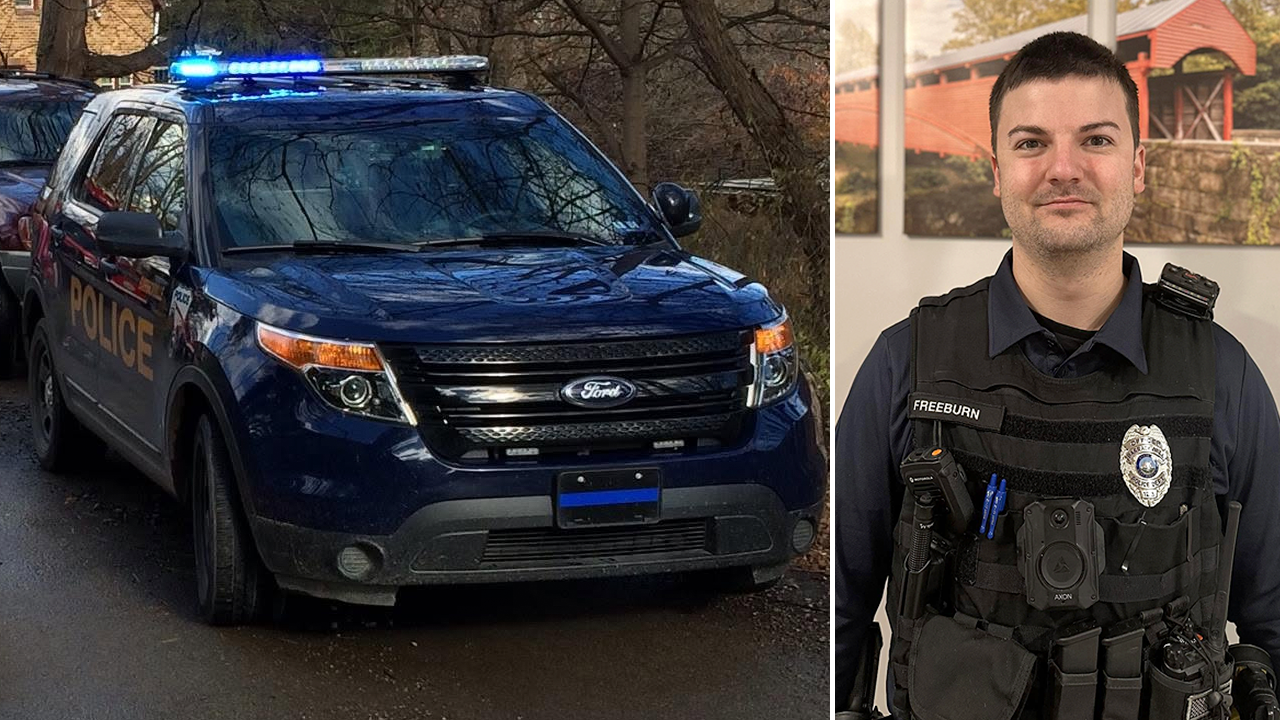
The trouble visibly began to brew in June 2024 when Police Chief Zachary Freeburn resigned “effective immediately” after less than seven months on the job. Freeburn had been hired with high hopes of rebuilding and strengthening the agency, bringing impressive credentials to the table, including advanced drug recognition training. Following his sudden exit, Sergeant Hunt was appointed as the officer in charge to keep local operations running smoothly. However, the stability was short-lived. Days later, the remaining officers were terminated, and the department took to Facebook to bid a sudden farewell, thanking the community for their support and expressing what an honor it had been to serve them.
Freeburn’s resignation letter, which emerged after the department’s dissolution, shed critical light on the escalating tension between law enforcement and local government. In the letter, Freeburn alleged that shortly after a newly elected town council took office, he was called into a closed-door meeting and informed that a council member would directly supervise his department and dictate operational changes. Believing these directives violated state municipal laws, Freeburn protested. He claimed he was met with hostile resistance, with one official asserting absolute authority over him. Feeling that a toxic and untenable work environment was being created, Freeburn chose to step down to bring these backroom political maneuvers into the public eye.
The drama intensified further when Sergeant Hunt arrived at the station and discovered that the police evidence room had allegedly been compromised. Hunt claimed that town officials had previously discussed conducting an unauthorized inventory of police property without any officers present. During an emergency meeting with Mayor Tom Straight and the town council, Hunt accused the leaders of entering the secured area, after which a council member reportedly admitted to taking a set of police keys. Following this confrontation and Hunt’s announcement that he would seek whistleblower protection, he and his fellow officer—the last remaining active personnel—were immediately stripped of their duties.
In the wake of these rapid-fire dismissals, local online spaces erupted with speculation, anger, and satire. Frustrated residents launched an online petition demanding Freeburn’s reinstatement, praising his brief but impactful tenure and accusing the town council of gross overreach. Tempers flared even more when the council abruptly canceled a scheduled town meeting, citing a vague “lack of sufficient information.” This cancellation left citizens feeling locked out of the democratic process, prompting many to call for deep investigations into the newly elected council members.
While the town council and mayor have remained silent regarding the exact reasons behind their drastic actions, county authorities have stepped in to ensure public safety is not compromised. Marion County Sheriff Roger Cunningham reassured the anxious public that his deputies will continue to handle emergency calls in Barrackville, as they do throughout the county. Nevertheless, the dissolution of the local police force has left a deep scar on the community, highlighting a bitter struggle over power, accountability, and the fragility of trust between small-town citizens and those elected to serve them.