

The Modern Mechanics of Information Warfare: How Rumors Gain Institutional Power
In our highly interconnected digital world, the line distinguishing verified military intelligence from unverified social media rumor has grown increasingly thin. This boundary becomes even more precarious when high-ranking international diplomats engage with unvetted online content. A prominent example of this friction occurred when Vanessa Frazier, the United Nations Special Representative of the Secretary-General for Children and Armed Conflict, amplified a highly controversial social media post. The original image, depicting three small objects, was shared by Sarah Wilkinson, a British activist who was later arrested on terror-related charges in the United Kingdom. Wilkinson claimed these objects were cluster munitions disguised as children’s toys, allegedly dropped by Israeli forces over Lebanon.
Responding to the image, Frazier posted to her ten thousand followers on X (formerly Twitter) that if the claim were true, it would represent a deliberate, premeditated intent to target and harm children. While the post was subsequently deleted, its temporary presence on a verified United Nations account quickly ignited a fierce debate regarding diplomatic neutrality, the standard of proof required by international officials, and the rapid spread of modern misinformation.
Critics argue that when senior global officials share unverified accusations, they inadvertently validate damaging and ancient tropes. Andrew Fox, a former British military officer and a senior fellow at the Henry Jackson Society who studies Israel Defense Forces (IDF) tactics, labeled the incident “farcical” and deeply telling. He suggested that such actions reflect a broader, highly charged environment where extreme allegations against Israel are quickly accepted without rigorous fact-checking. Fox asserted that this dynamic severely undermines the credibility of the United Nations’ investigative bodies. Meanwhile, an IDF spokesperson flatly rejected the claim, calling the toy-bomb allegation entirely baseless, unfounded, and fake news.
The controversy deepened as details emerged regarding the original source of the post. British media outlets, including the BBC, reported that Sarah Wilkinson is set to face trial on multiple charges, including the encouragement of terrorism on social media and expressing support for Hamas, a proscribed organization in the United Kingdom. In response to inquiries about the deletion of the post, Stéphane Dujarric, spokesperson for U.N. Secretary-General António Guterres, Clarified that a repost does not equal an endorsement of the original user. Dujarric reiterated that Guterres retains full confidence in Frazier’s leadership, emphasizing that her primary mission is the global protection of children rather than targeting any single nation.
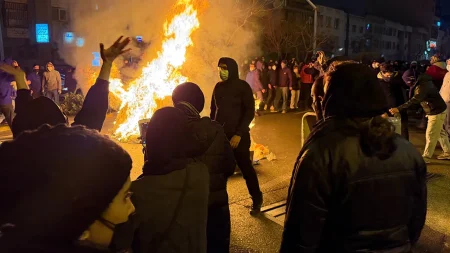
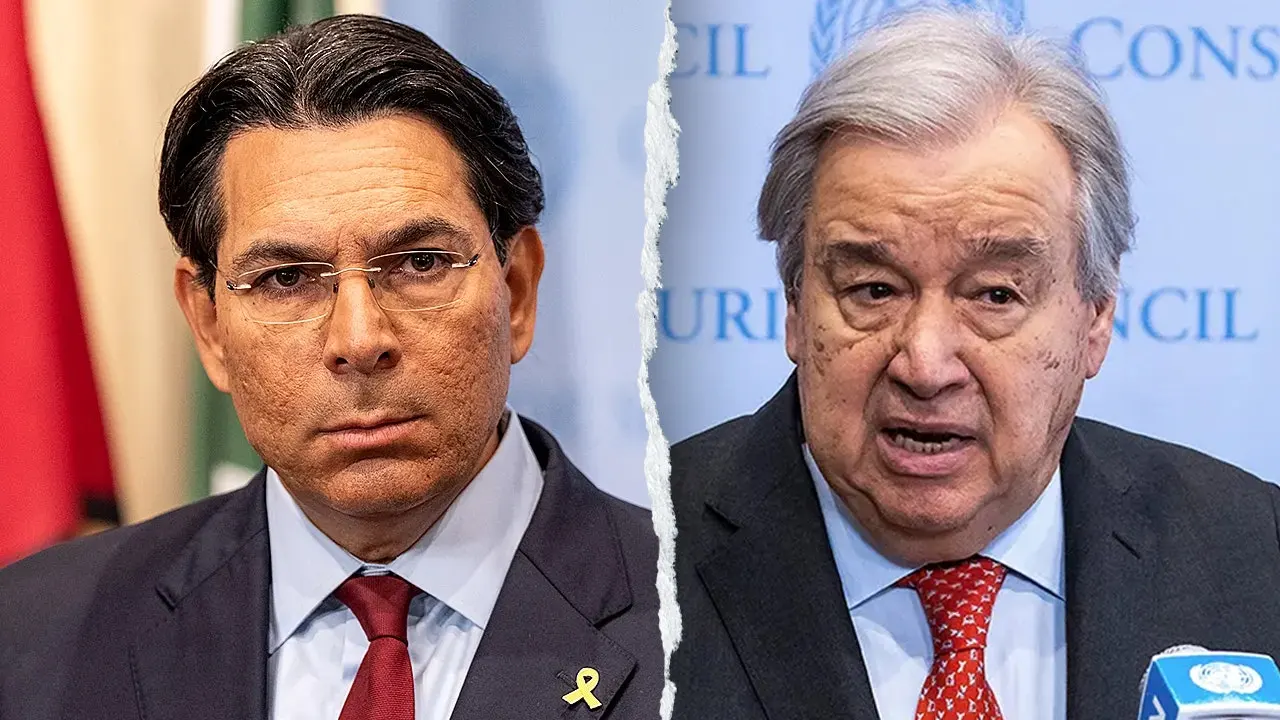
For her part, Frazier defended her brief social media activity by framing it within her mandate to highlight the severe humanitarian impacts of explosive weapons in populated areas. She emphasized that her official responsibilities are executed through the U.N.’s formal monitoring and verification frameworks, rather than personal social media accounts. However, this incident is not an isolated one. Critics note that in March, Frazier had to correct another post that mistakenly used a photograph of victims from the Iranian regime’s domestic crackdown to illustrate a separate statement about attacks on schools. These recurring digital missteps have prompted formal complaints, including a letter from Israel’s Ambassador to the U.N., Danny Danon, who expressed concern over what he described as a troubling pattern of engagement with unverified and highly polarizing material.
This digital dispute highlights a much larger, ongoing systemic debate about how international bodies compile and verify human rights data in active conflict zones. Independent watchdogs have expressed concern that the U.N.’s annual reports often rely on ambiguous verification methodologies that blur the line between objective fact and political advocacy. Conversely, U.N. leadership maintains that their reporting undergoes rigorous, multi-level reviews designed to protect vulnerable youth globally. As the speed of digital media continues to outpace traditional diplomatic verification, this episode illustrates the immense challenges global institutions face in maintaining public trust, objectivity, and precision in an era dominated by rapid online narratives.