


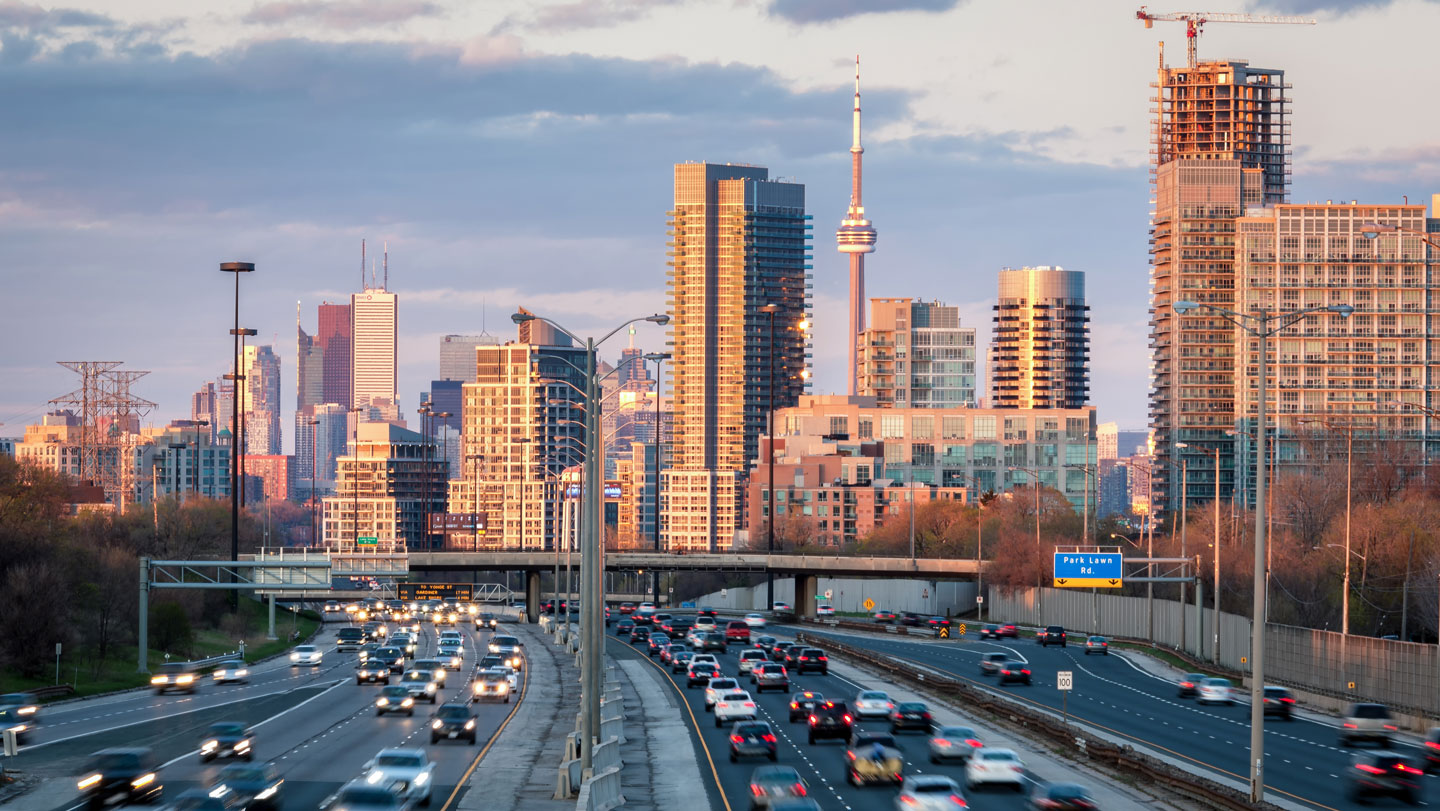
We often find immense solace in a clear blue sky, instinctively assuming that the crisp, seemingly invisible air of modern North American cities is a reliable guarantee of safety for our lungs and our lives. Yet, beneath this tranquil, blue-sky illusion lies a silent, microscopic hazard that quietly compromises our cardiovascular health with every breath we take. A groundbreaking study published in the June 2026 issue of Radiology brings this invisible crisis into sharp focus, revealing that long-term exposure to everyday air pollutants is directly linked to advanced coronary artery disease, even in regions where pollution levels fall comfortably below current regulatory safety limits. This disturbing revelation challenges our fundamental understanding of what constitutes “clean” air, showing that our cardiovascular systems are far more sensitive to environmental toxins than government regulators and policy frameworks have historically assumed. For decades, we have treated air pollution as a localized problem, something that only plagues highly industrialized zones or heavily congested megacities shrouded in visible smog. However, this clinical research shifts the narrative to our own suburban neighborhoods and urban parks, demonstrating that the routine emissions from our morning commutes, local manufacturing, and fossil fuel combustion are waging a slow, destructive war on our blood vessels. By demonstrating that adjusting for traditional health factors like high blood pressure and elevated cholesterol only partially weakens this toxic connection, the study suggests that air pollution does not merely exist alongside chronic illnesses; it actively worsens them, driving the biological processes that narrow our crucial arteries. It is a sobering reminder that the simple act of breathing, the most fundamental and involuntary human behavior, has become a pathway for chronic cardiovascular degradation, particularly for those living in sprawling metropolitan areas across North America and Europe where sub-threshold pollution remains an invisible fixture of daily life.
To fully grasp the human cost of this invisible atmospheric threat, we must understand the intricate mechanics of the human heart itself—a tireless, muscular pump that beats approximately one hundred thousand times a day to distribute vital, oxygen-rich blood throughout our bodies. When coronary artery disease takes hold, this heroic organ is steadily starved of its lifelines as calcium deposits, cholesterol, and cellular debris accumulate within the crucial coronary vessels, forming rigid plaques that restrict blood flow and drastically escalate the risk of catastrophic heart attacks. Historically, scientists have studied the cardiovascular impacts of air quality by looking backward, tracking emergency room admissions for sudden strokes or analyzing mortality records after severe smog events. However, this innovative study, championed by Dr. Kate Hanneman, a leading cardiac radiologist at the University of Toronto, took a far more proactive and preventative approach by utilizing advanced medical imaging technology. By tracking over 11,000 adults in Toronto and its surrounding suburbs between 2012 and 2023, the research team was able to observe the gradual, silent progression of arterial damage long before it manifested as a life-threatening medical emergency. This decade-long epidemiological journey connected individual residential histories with sophisticated air quality data to reveal a clear, undeniable pattern of structural distress in the heart. Commenting on the profound implications of these findings, Dr. Salil Deo, an esteemed cardiac surgeon at Case Western Reserve University School of Medicine who was not involved in the study, noted that we may have to accept a terrifying biological reality: there is likely no absolute “floor” or safe threshold at which air quality ceases to damage the human heart, transforming our global fight against atmospheric pollution into an urgent, direct battle for cardiac survival.
The primary culprits in this cellular assault are two ubiquitous airborne agents of modern life: fine particulate matter, commonly known as PM2.5, and nitrogen dioxide, or NO2. Fine particulate matter consists of microscopic droplets and soot particles so incredibly tiny—often less than thirty times the width of a single human hair—that they easily bypass our respiratory system’s natural defense mechanisms to embed themselves deep within our lung tissues, where they directly cross into our bloodstream. Nitrogen dioxide, on the other hand, is a pungent, highly reactive gas generated primarily through the high-temperature combustion of fossil fuels in our car engines, diesel trucks, and industrial power plants. Once these microscopic invaders enter our systemic circulation, they ignite a systemic wildfire of oxidative stress and chronic inflammation, destabilizing the fragile lining of our blood vessels and accelerating the accumulation of calcium deposits. The Toronto-based study proved that even when these pollutants hovered well within the legally permissible limits established by Canadian and international environmental protection agencies, their cumulative impact over a ten-year period was undeniably pathological. As individual exposure levels to PM2.5 crept upward, researchers documented a corresponding rise in calcium buildup on cardiac scans, alongside a higher prevalence of arterial plaque. This physical evidence highlights how seemingly mild air pollution behaves like a low-dose, continuous poison, gradually turning the pliable, healthy pathways of our circulatory systems into rigid, obstructed corridors, threatening the delicate equilibrium that keeps us alive on a daily basis. Every breath taken on a smoggy afternoon thus registers as a physical micro-trauma across the cellular architecture of the heart.
One of the study’s most shocking and poignant findings is the stark vulnerability displayed by women, who bore a disproportionately heavy burden of severe arterial narrowing when exposed to these common pollutants. While both male and female participants exhibited increased calcium deposits and plaque buildup as air pollution levels rose, the correlation with dangerous, near-total arterial blockages was uniquely pronounced and statistically significant among women. This gendered disparity highlights critical physiological and biological differences that have long been overlooked in standard cardiovascular research, which has historically centered on male anatomy and male patterns of disease. Dr. Hanneman and her team hypothesize that this heightened risk may stem from several distinct factors, including different baseline breathing rates and patterns relative to overall body size, which can lead to women inhaling a higher relative dose of fine particles over time. Additionally, female hormonal profiles play a complex, delicate role in regulating inflammatory responses, potentially making their vascular systems far more reactive to the toxic irritation caused by PM2.5 and NO2. Furthermore, women are biologically more prone to developing noncalcified, soft plaques—dangerous, unstable formations that are notoriously difficult to detect through traditional diagnostic methods but are highly susceptible to sudden rupture. This revelation underscores the urgent need for a personalized, gender-specific approach to environmental medicine and public health, proving that equal exposure to the world’s hazards does not mean equal harm, and that protecting women’s hearts requires us to look much closer at the air they breathe.
This research fundamentally deconstructs the comforting illusion of administrative safety margins, revealing that our current environmental regulations are failing to act as the shields we assume them to be. For decades, environmental protection agencies have established maximum allowable thresholds for airborne particles, implying that as long as our local monitors show numbers beneath these arbitrary ceilings, our communities are safe to breathe freely. Yet, as Dr. Hanneman flatly observed, the data shows no level of exposure at which the risk of arterial disease flattens out, plateaus, or disappears entirely. This means that millions of families living in leafy, seemingly affluent suburbs that proudly boast “clean air” ratings are still breathing in concentration levels that are actively aging their hearts and expediting coronary decline over their lifespans. We must begin to view air quality standards not as scientific guarantees of absolute safety, but as outdated compromises between public health and industrial convenience. When we realize that air pollution contributes to an estimated four to six million cardiovascular deaths globally every year—a horrifying toll that rivals major infectious diseases—it becomes clear that our current regulatory apathy is a silent humanitarian crisis. This demands an immediate, profound paradigm shift in how we build our cities, regulate our transportation networks, invest in green infrastructure, and phase out fossil fuels, shifting our collective focus away from minimal regulatory compliance and toward the total elimination of preventable pollutants from our shared global atmosphere, ensuring that clean air is treated as a fundamental human right rather than a localized geographical privilege.
While the systemic overhaul of our global energy and transport infrastructure will take time, there are deeply practical and empowering steps that individuals and communities can take right now to reclaim their health and protect their loved ones. During episodes of severe air degradation—such as the increasingly frequent and intense wildfire seasons that blanket vast swathes of North America in a toxic orange haze—vulnerable populations must adapt by treating air quality warnings with the same urgency as extreme weather events. If you are older, diabetic, or already managing a cardiovascular condition, simple adjustments like staying indoors, operating high-efficiency particulate air (HEPA) filtration systems, and donning a properly fitted N95 mask during unavoidable outdoor excursions can provide an immediate, lifesaving barrier of defense against fine particulate matter. On a broader scale, however, we cannot run from the air we breathe, and the ultimate solution must be collective, progressive action rather than individual isolation. By advocating for tighter emission controls, expanding urban canopy forests, and investing heavily in clean, electric public transit, we can transition from a defensive posture of self-preservation to an offensive strategy of environmental restoration. Ultimately, cleaning our skies is not merely a clinical intervention designed to lower the numbers on a radiologist’s heart scan; it is an act of profound compassion for ourselves and future generations, offering us a dual victory that simultaneously heals the planet we call home and safeguards the very hearts that beat within us.