


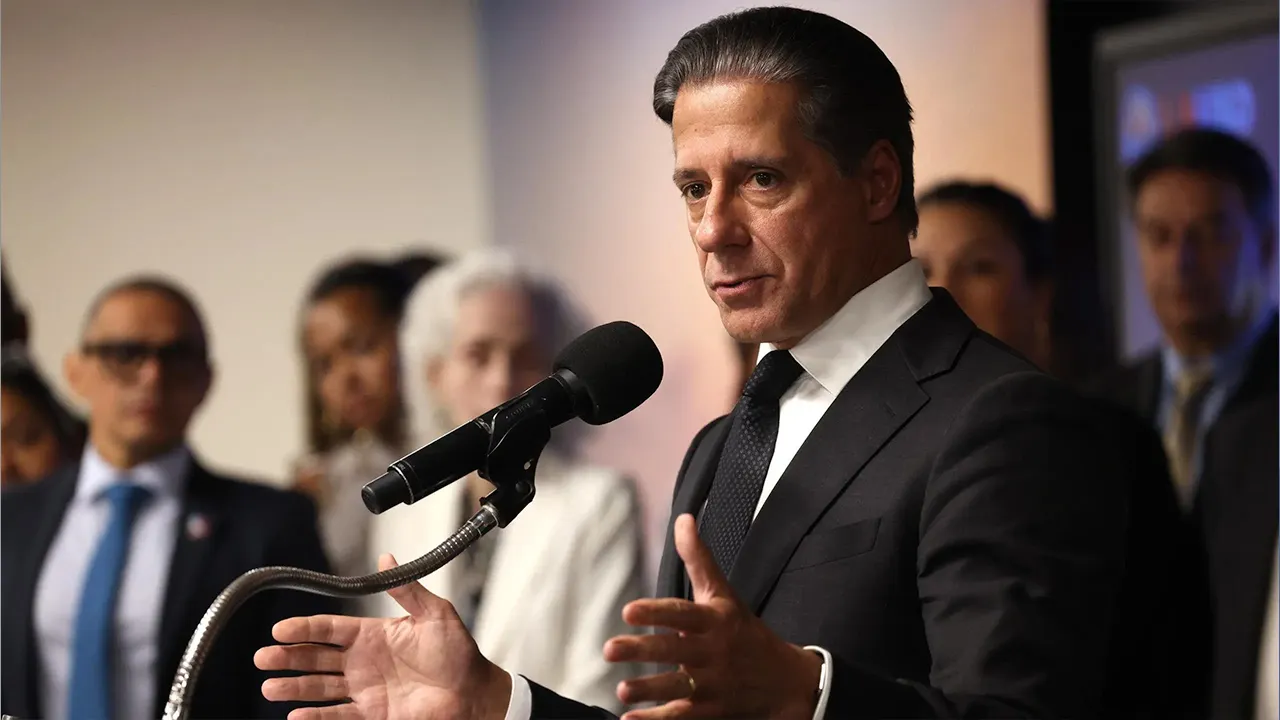
The sudden departure of Alberto Carvalho on June 21, 2026, shook the foundations of the Los Angeles Unified School District (LAUSD), leaving parents, educators, and students in a state of profound disbelief and anxiety. As the leader of the nation’s second-largest school district, Carvalho was not just a bureaucrat; he was a highly visible, charismatic figurehead who carried the hopes of over half a million children striving for class mobility and safety in a massive urban environment. His abrupt resignation, directly following a highly publicized federal investigation, served as a stark and sobering reminder of how quickly the fortunes of public leaders can unravel, leaving the communities they served to deal with the fallout. For the families who rely on LAUSD’s schools for daily structure, nourishment, and a path toward a better future, the news was more than just a political headline—it was an unsettling disruption that threatened the stability of their children’s learning environments. In his emotional parting statement, Carvalho emphasized his lifelong commitment to keeping “students first,” a philosophy he claimed guided his difficult decision to step down from his post. By stepping aside, he hoped to remove himself as a lightning rod for controversy, ensuring that the critical work of teaching and learning could proceed without the overwhelming distraction of a looming criminal investigation. This abrupt transition marks a painful end to a highly anticipated era, forcing a community already weary of pandemic-era disruptions and systemic inequalities to once again navigate the stormy waters of leadership transition under a shadow of administrative suspicion.
The immediate catalyst for this dramatic fall from grace was an extraordinary and deeply unsettling event: a coordinated FBI raid on Carvalho’s private residence and the district’s administrative offices. In a scene that felt more like a hard-boiled crime drama than the standard operations of a public school system, federal agents were captured on video executing search warrants, carrying boxes of evidence out of Carvalho’s home, and prompting the sudden evacuation of LAUSD headquarters as investigators swept through the offices. For the everyday employees of the school district—the administrative assistants, the curriculum developers, and the support staff who keep the machinery of education running—the sight of federal agents marching through their workplace was an incredibly jarring and alienating experience. It shattered the sense of safety and professional normalcy that many had worked hard to cultivate in the years following the pandemic. This sudden escalation transformed what had been quiet, whispered rumors of administrative overreach into a public, undeniable crisis, leaving teachers in classrooms across the city to answer difficult questions from confused students. The shockwaves of the raid reverberated far beyond the physical offices, raising painful questions about accountability, the misuse of public trust, and the vulnerability of public institutions to federal scrutiny.
In the face of this gathering storm, Carvalho utilized his resignation letter to offer a passionate defense of his four-year tenure, attempting to frame his legacy not by its painful end, but by its hard-fought achievements. Appointed in 2022 and unanimously reappointed in late 2025, he had commanded a powerful mandate to reform a struggling system, and he was quick to remind the public of the milestones achieved under his watch. He pointed to historic gains in graduation rates, academic recovery that surpassed difficult pre-pandemic baselines, and targeted initiatives designed to bring “equitable” progress to the city’s most marginalized and vulnerable youngsters. There is a deep, human tragedy in his departing words—a sense of a dedicated, albeit flawed, educator expressing profound gratitude to the teachers, staff, and families who had placed their trust in him. He spoke of the privilege of service and asked for continued prayers for the health and success of the district’s children, painting a portrait of a leader who, even while retreating under the pressure of federal investigators, still cared deeply for the community he left behind. Yet, this emotional appeal exists in stark contrast to the severity of the allegations, leaving the public to grapple with the complex reality of a man who managed to elevate academic performance while simultaneously steering the district into a catastrophic ethical quagmire.
At the absolute center of this unfolding tragedy lies a failed technological experiment that encapsulates the modern temptations of public school districts attempting to find quick digital fixes for deep-seated educational challenges. The federal probe is widely believed to center around a $6 million contract awarded by Carvalho to AllHere, a now-shattered educational technology startup tasked with developing an ambitious, student-facing AI chatbot. Intended to act as a digital guide for students, particularly those struggling to navigate the complexities of their educational journeys, the project was launched with immense hope and a massive $3 million upfront payment of taxpayer funds. However, the high-tech dream quickly degraded into a massive operational nightmare; the initiative collapsed catastrophically in 2024 amidst severe data privacy worries, whistleblower complaints, and shocking allegations of embezzlement leveled against the startup’s founder, Joanna Smith-Griffith. This failure represents a devastating loss, not just of financial resources that could have been used to hire more counselors or repair crumbling classrooms, but of the collective hope that progressive technology could bridge the educational divide, leaving behind a trail of broken promises and wasted public funds.
To understand the human dimensions of this systemic failure, one must look closely at the personal relationships and professional networks that blurred the lines of ethical governance, specifically the long-standing alliance between Carvalho and Debra Kerr, an edtech salesperson. Public records reveal that their friendship and professional association dated back to the early 2000s, cultivating a level of personal trust that critics argue bypassed the rigorous, impartial scrutiny required for multi-million-dollar public contracts. It was Kerr who reportedly helped facilitate the disastrous deal with AllHere, a connection that quickly attracted the intense focus of federal investigators. The geographic reach of the FBI’s investigation extended all the way to Miami, where agents carried out a raid on Kerr’s personal residence, linking the local educational landscape of Southern California to a much larger web of personal favor and financial misconduct. This aspect of the scandal highlights a deeply human flaw: how long-term loyalty and personal connections can cloud professional judgment, leading to systemic conflicts of interest that ultimately compromise the integrity of public offices and drain invaluable resources away from the very children they were meant to protect.
As the dust begins to settle on this chaotic chapter, the Los Angeles Unified School District must now focus on the slow, painful process of healing, rebuilding its fractured reputation, and restoring the trust of a skeptical public. The Board of Education has moved quickly to assure families that the district remains dedicated to stability and continuity, appointing acting superintendent Andrés E. Chait to steer the ship through this crisis until a permanent leader can be found. The true challenge lies not in the offices of the administrators, but in the thousands of classrooms across Los Angeles, where dedicated teachers must continue to inspire, feed, and educate children despite the political storms swirling above them. This crisis serves as a sobering reminder that while central office leaders and high-priced technology contracts may come and go amidst scandals and federal indictments, the true heart of education remains the face-to-face connection between a teacher and a student. Moving forward, the community’s ultimate goal must be to ensure that the vulnerability of its youth is never again exploited by administrative overreach, and that the lessons learned from this painful episode pave the way for a more transparent, honest, and truly student-centered future.