



A Stadium of Transactional Power: How the World Cup Ignited a New Era of Sports Politics
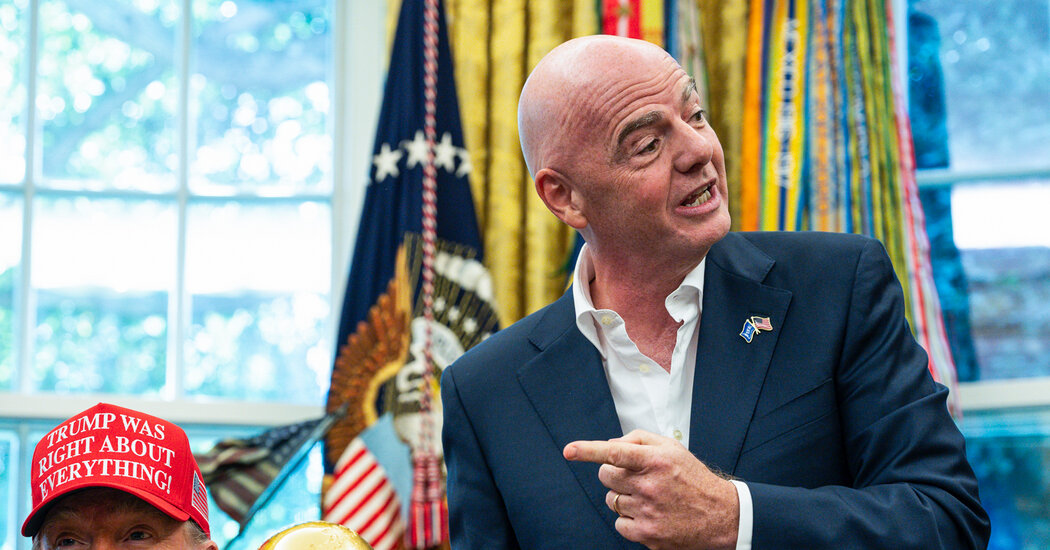
The global spectacle of the FIFA World Cup has always been more than a simple celebration of athletic excellence; it is a multi-billion-dollar geopolitical theater where national pride, corporate overreach, and soft power collide on a grand scale. As the tournament marches through its high-stakes matches across North America, millions of fans worldwide are operating on borrowed time, defying sleep and timezone barriers to witness history unfold. Yet, beneath the roaring stadiums of Canada, Mexico, and the United States, a much larger corporate game is being played. For the tournament’s governing body, FIFA, anchoring this iteration of the World Cup in the world’s most lucrative consumer market represents a long-awaited financial gold rush, poised to make this the most profitable sporting event in human history. To secure this ultimate payday, FIFA’s leadership did not merely seek out standard corporate sponsorships; instead, they engineered a profound geopolitical realignment. At the center of this transformation is an unprecedentedly intimate alliance between FIFA President Gianni Infantino and Donald Trump—a relationship so deeply intertwined that it has fundamentally reshaped the operational blueprint, corporate ethos, and ideological neutrality of international soccer’s chief governing body.
Corporate Convergence: Inside the Luxury Branded Future of FIFA Crypto and Hotels
To understand how thoroughly the governing body of the global game is being rebuilt in the image of its American political ally, one need only look at the bizarre saga of the aborted “FIFA Peace Prize.” Last autumn, when the Nobel Peace Prize was awarded to Venezuelan opposition leader María Corina Machado, an envious Donald Trump—who had long campaigned for such recognition—expressed his deep frustration. Sensing an opportunity to curry favor, Infantino quietly set to work, attempting to manufacture an exclusive “FIFA Peace Prize” designed specifically to honor Trump. While the hastily conceived accolade was ultimately shelved after sparking fierce resistance and condemnation from career soccer officials who feared it would permanently destroy the organization’s claim to political neutrality, the gesture exposed a deeper shift. FIFA is no longer just organizing soccer matches; it is undergoing a profound “Trumpification.” The Zurich-born Swiss executive has increasingly adopted the business playbook of the Trump family empire, steering the soccer federation away from traditional non-profit governance and toward high-octane brand licensing. Under Infantino’s watchful eye, FIFA has actively explored lucrative branding deals to put its name on luxury hotels, while simultaneously investigating the launch of an official FIFA cryptocurrency—a concept Infantino reportedly discussed during high-profile crypto summits at Mar-a-Lago. This cultural and financial shift is physically anchored in Miami, Florida, where FIFA has established a gleaming, state-of-the-art North American headquarters, placing Infantino and his top lieutenants directly within the physical and social orbit of the Trump administration.
Rehabilitating the Empire: How Gianni Infantino Rebuilt FIFA’s Reputation on Capitol Hill
This pivot to Washington was born out of institutional survival. When Gianni Infantino assumed control of FIFA in 2016, the organization was not a pristine global entity but an international pariah, reeling from a devastating, multi-national corruption sweep orchestrated by the United States Department of Justice. The infamous FIFA gate scandal had exposed decades of unchecked bribery, broadcast rights kickback schemes, and vote-buying that reached the very highest echelons of the sport’s executive committee. Infantino’s primary mission was clear: he had to salvage the organization’s ruined reputation in the eyes of the United States government to ensure that the lucrative American market remained open for business. To achieve this, Infantino bypassed traditional diplomatic channels, leaning heavily into a deeply transactional relationship with the first Trump administration. During Trump’s turbulent first term, as the president weathered multiple impeachments and plunging approval ratings, Infantino remained a steadfast public ally, offering glowing praise at international forums. This loyalty paid immediate dividends: Infantino was granted extraordinary private access to the highest levels of American power, including a controversial “courtesy visit” with the U.S. Attorney General—the very office overseeing the remains of the FIFA corruption investigation. When the Biden administration took office, officials kept the soccer executive at arm’s length, wary of the ethical minefields associated with FIFA’s past. However, with Trump’s return to the White House, Infantino’s long-term gamble has paid off spectacularly, cementing his place among foreign dignitaries at presidential inaugurations and state visits, effectively positioning FIFA as an unofficial arm of American executive diplomacy.
The Geopolitical Pitch: Pitch-Side Diplomacy and the Shadow of the Strait of Hormuz
The sheer scale of this cozy relationship is now facing its ultimate trial on the pitch, where the complex logistics of hosting a tri-national World Cup are colliding with real-world border politics and international friction. Supporters of FIFA’s current strategy argue that Infantino’s sycophantic courtship of the White House was a necessary shield, ensuring that a highly volatile executive branch would not weaponize border security to disrupt the tournament. Rumors of unofficial agreements regarding the suspension of domestic immigration enforcement around World Cup venues continue to circulate, painting a picture of a tournament operating in a state of legal exception. Already, early diplomatic tremors have tested this delicate peace, including the highly publicized denial of entry to a Somali referee by U.S. border officials and severe logistical hurdles faced by the Iranian national team. These incidents serve as a stark reminder of how easily geopolitical crosswinds can dismantle years of planning. They parallel the larger, fragile state of global diplomacy playing out simultaneously on the world stage, such as the tense, Swiss-mediated peace negotiations between American and Iranian envoys aimed at solidifying a precarious cease-fire in Lebanon. As military officials exchange conflicting accounts regarding the reopening of the vital Strait of Hormuz to shipping traffic, the World Cup serves as a microcosm of a deeply fractured world—one where sports, commerce, and military brinkmanship are perpetually bound together.
Shadow Economies and Fragility: The Paradoxical Rise of Afghan Women Entrepreneurs
While the elites of global sports and international diplomacy negotiate their terms in luxury suites and Swiss resorts, the human cost of shifting geopolitical structures is felt most acutely by those living at the margins of global power. Nowhere is this tension more visible than in Afghanistan, where a deeply complicated economic survival story is quietly unfolding under the oppressive rule of the Taliban. In an effort to stave off complete economic collapse following the withdrawal of Western forces, the Taliban regime has permitted a surprising paradox: the registration of women-led businesses has surged to a level ten times higher than under the previous, Western-backed democratic government. Yet, this statistic does not represent a sudden victory for gender equality; rather, it is a devastating reflection of how thoroughly Afghan women have been stripped of all other human rights. Barred from secondary education, universities, and nearly all traditional professional careers, former aspiring lawyers, engineers, and academics have been forced to turn to manual and domestic business ventures—such as carpet weaving, cosmetics manufacturing, and vocational training—as their sole means of earning a living, preserving their sanity, and maintaining a shred of social connection in a society that seeks to make them invisible. It is a stark reminder that while global leaders play high-stakes games of transactional politics, the rest of the world is left to forge survival out of the ruins of these grand designs.
The Geometry of Escape: Literary Wanderlust, Spritz Cocktails, and the Pursuit of Optimism
Faced with the relentless, exhausting weight of global crises, modern society has increasingly sought refuge in curated forms of escapism, transforming the way we travel, consume, and structure our domestic lives. This yearning for a temporary retreat from the geopolitical grind has fueled the rise of “book-cations”—a growing travel trend where readers seek out physical journeys inspired by their favorite novels, wandering through the historic streets of Croatia or tracing the architectural footprints of classic literature in old European hotels. This desire for lightness and comfort is mirrored in our shifting tastes, evidenced by the explosive, menu-dominating popularity of the Hugo Spritz—a refreshing, floral medley of elderflower liqueur, sparkling water, and Prosecco that has become the defining beverage of summer leisure. Even in our homes, the trend toward “optimistic modernism” reflects a conscious rejection of stark, anxiety-inducing minimalism in favor of vibrant colors, whimsical vintage objects, and plant-based culinary simplicity, such as a crisp, no-cook tzatziki chickpea salad. Ultimately, whether through the grand, high-stakes drama of the World Cup, the quiet resilience of women building businesses in Kabul, or the simple pleasure of a literary getaway, humanity continues to seek out spaces of joy, connection, and renewal in an increasingly volatile world.